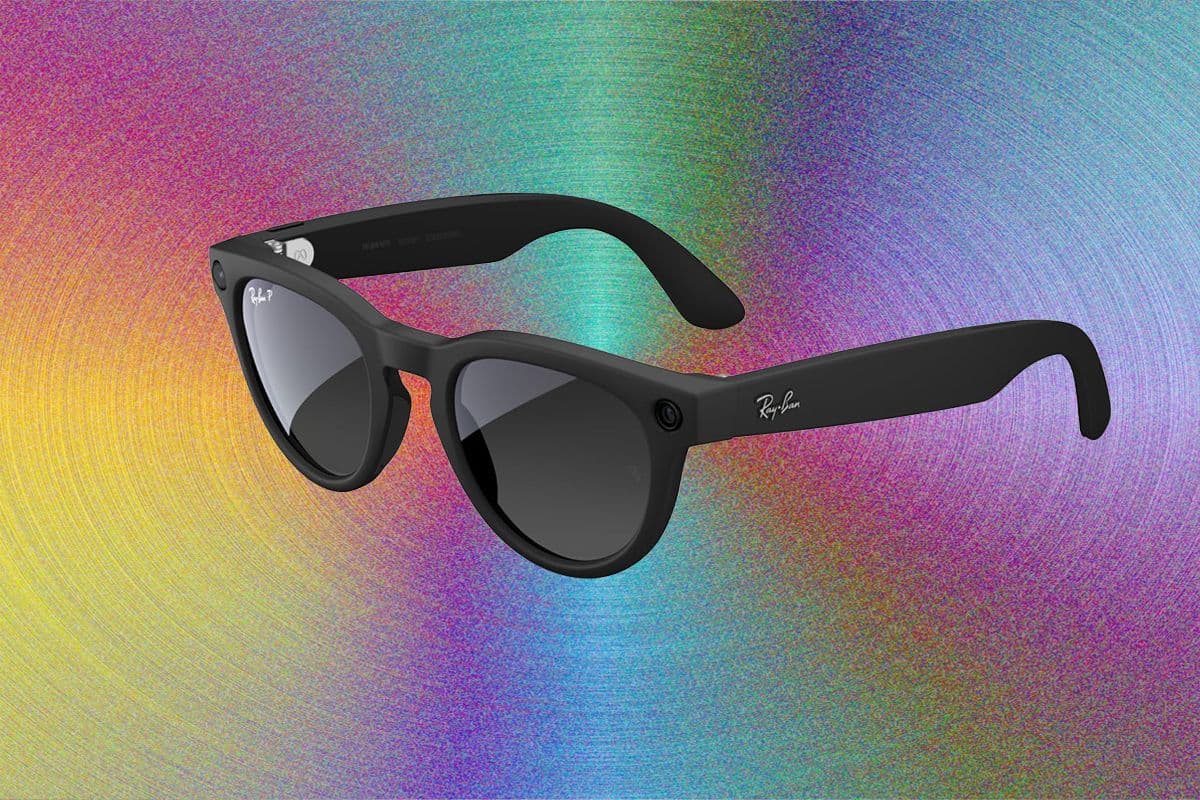
Best Meta Glasses (2026): Ray-Ban, Oakley, AR
Companies Mentioned

Why It Matters
Meta’s expanded glasses lineup signals a push to mainstream AR wearables, challenging competitors while raising fresh data‑privacy questions that could shape consumer adoption.
Key Takeaways
- •Meta Glasses Gen 2 offers 12‑MP camera, up to eight‑hour battery.
- •Oakley HSTN frames add polarized lenses, better for outdoor sports.
- •Vanguard integrates Garmin auto‑capture, louder speakers for e‑bike speeds.
- •Meta AI app funnels all media, can overwhelm with AI‑generated content.
- •Privacy requires disabling cloud sync; contractors may review personal data.
Pulse Analysis
Meta’s Gen 2 Ray‑Ban Wayfarers mark the company’s most polished entry into consumer AR wearables. By bundling a 12‑megapixel camera, Bluetooth audio, and a voice‑activated AI assistant into a familiar sunglasses form factor, Meta aims to lower the barrier for everyday users. The eight‑hour battery claim, though optimistic, aligns with competitors’ expectations for all‑day use, while interchangeable lenses broaden appeal across prescription and fashion segments. This strategy positions Meta to capture a slice of the projected $30 billion AR glasses market by 2030.
Oakley’s partnership deepens the ecosystem, delivering two sport‑focused variants. The HSTN model leverages Oakley’s Prizm Ruby polarized lenses and Unobtanium nose pads, catering to cyclists, hikers, and runners who need visual clarity and secure fit. The Vanguard pushes the envelope with a bridge‑mounted action camera, Garmin auto‑capture integration, and speakers loud enough for 30 mph e‑bike speeds. These features differentiate the devices from generic smart glasses, targeting influencers and fitness enthusiasts who value seamless content creation and hands‑free audio.
However, Meta’s data practices could temper enthusiasm. All captured media routes through the Meta AI app, where third‑party contractors may review content despite the option to disable cloud sync. The constant AI prompts and potential for unsolicited content raise usability concerns, especially for privacy‑sensitive users. As regulators scrutinize data handling in wearables, Meta’s ability to balance innovative hardware with transparent, user‑controlled privacy settings will be pivotal for long‑term market acceptance.
Best Meta Glasses (2026): Ray-Ban, Oakley, AR
Comments
Want to join the conversation?
Loading comments...