Best Sleep Trackers of 2026: Oura, Whoop, and Eight Sleep
Why It Matters
Sleep‑tracking technology is becoming a mainstream health‑optimization tool, driving recurring revenue streams through subscriptions and influencing how consumers manage wellness daily.
Key Takeaways
- •Oura Ring 4 offers AI coaching for $6/month subscription
- •Whoop MG provides screenless sleep tracking with up to 14‑day battery
- •Eight Sleep Pod 5 adds dynamic temperature control to sleep data
- •All three require ongoing subscriptions for premium analytics
- •Accuracy varies; wearables generally outperform contactless mats
Pulse Analysis
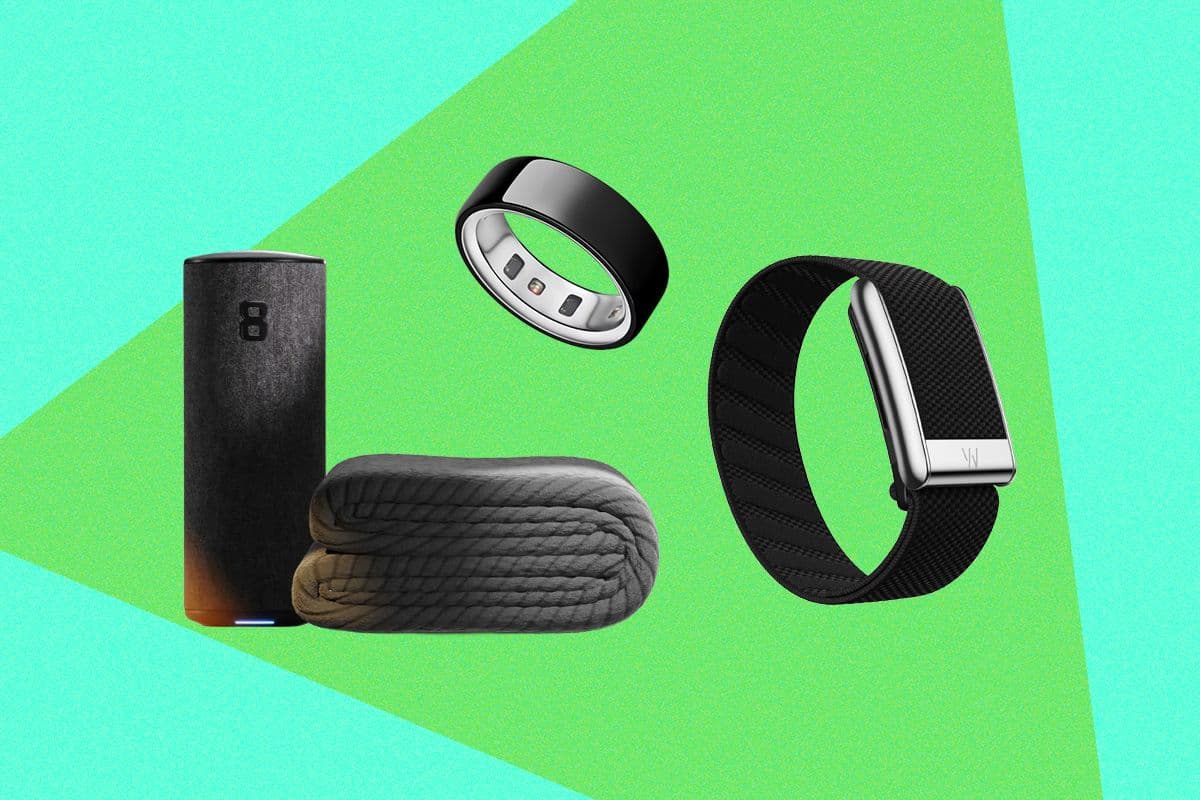
The consumer sleep‑tracking market is entering a new era where raw data is no longer the end point. Companies like Oura, Whoop, and Eight Sleep are embedding artificial‑intelligence algorithms that turn heart‑rate variability, respiratory rate, and temperature readings into personalized sleep‑coaching recommendations. This evolution reflects broader consumer demand for actionable health insights rather than simple metrics, positioning sleep tech as a daily wellness coach that can influence lifestyle choices, from bedtime routines to stress management.
Hardware design remains a key differentiator. The Oura Ring 4 packs an 18‑path PPG sensor suite into a discreet ring, delivering high‑resolution SpO₂ and temperature data while maintaining a five‑to‑eight‑day battery life. Whoop’s MG band trades a screen for comfort and a two‑week battery, focusing on strain‑based sleep recommendations that adjust to daily activity levels. In contrast, Eight Sleep’s Pod 5 abandons wearables altogether, integrating a temperature‑regulating mattress cover that tracks sleep without physical contact. All three platforms lock advanced analytics behind monthly or annual subscriptions, turning one‑time hardware purchases into recurring revenue streams and raising the bar for ongoing product engagement.
For investors and industry observers, these trends signal a convergence of hardware, software, and subscription models that could reshape the broader digital health landscape. As AI coaching matures, we can expect tighter integration with ecosystem partners like Apple Health, Google Fit, and emerging tele‑medicine platforms. Consumers will likely gravitate toward solutions that balance accuracy, comfort, and cost, while manufacturers must navigate the fine line between helpful guidance and over‑prescription. The continued emphasis on data‑driven habit formation suggests sleep tech will remain a growth engine in the wellness sector for years to come.
Best Sleep Trackers of 2026: Oura, Whoop, and Eight Sleep
Comments
Want to join the conversation?
Loading comments...