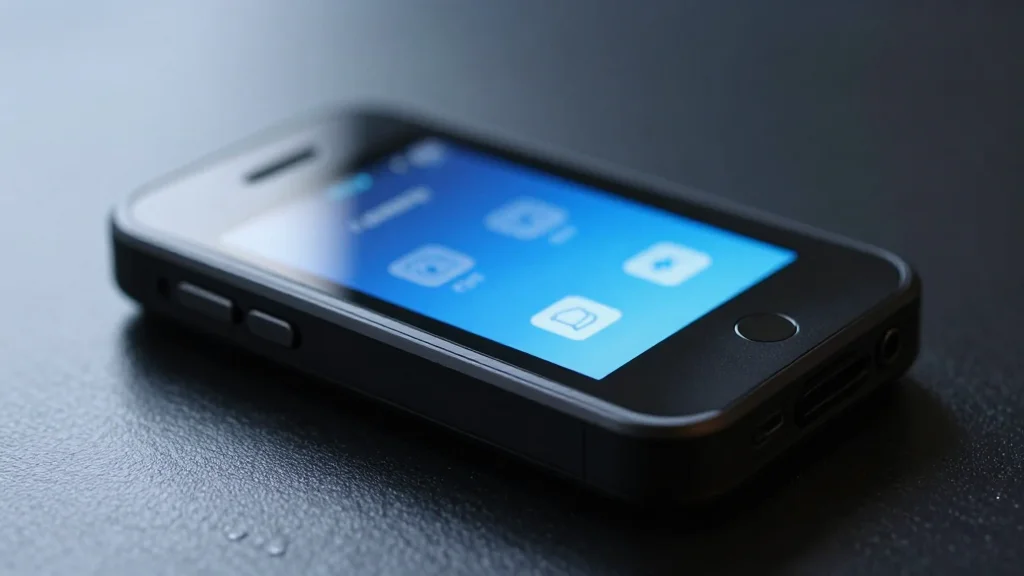
Block Launches Bitkey 2.0 Crypto Wallet with OLED Touchscreen for $250

Why It Matters
The Bitkey 2.0 represents a tangible step toward mainstreaming crypto custody by marrying high‑security hardware with a user‑centric interface. If successful, it could shift consumer expectations, forcing competitors to prioritize visual verification and ease of use. Moreover, Block’s entry underscores the growing convergence of traditional fintech and decentralized finance, suggesting that established financial founders are betting on self‑custody as a cornerstone of future digital money ecosystems. Beyond the hardware market, the device may influence regulatory dialogues. A wallet that makes transaction details transparent to the user could address concerns about hidden or malicious transfers, potentially easing compliance pressures and encouraging broader institutional acceptance of self‑custody solutions.
Key Takeaways
- •Block launches Bitkey 2.0 with OLED touchscreen for $250.
- •Preorders open immediately; shipping slated for Q3 2026.
- •Screen enables users to verify and authorize every security‑critical operation.
- •Price positions Bitkey 2.0 above Ledger Nano X but below premium Trezor models.
- •Launch intensifies competition in a hardware wallet market projected to double by 2029.
Pulse Analysis
Block’s Bitkey 2.0 is more than a product refresh; it’s a strategic signal that consumer experience is now a decisive factor in crypto security. Historically, hardware wallets prioritized ruggedness and cryptographic robustness, often at the expense of usability. By integrating a full‑color OLED display, Block is betting that visual confirmation will reduce user error and increase confidence among non‑technical holders. This could accelerate the migration from custodial exchanges to self‑custody, a shift that aligns with broader regulatory pushes for user‑controlled assets.
The $250 price tag, while higher than some legacy devices, reflects the cost of the display technology and the premium branding associated with Jack Dorsey’s reputation. Early adopters are likely to be crypto enthusiasts who value both security and design, but the real test will be whether the device can achieve economies of scale to lower costs for mass adoption. If Block can streamline production and bundle the wallet with its broader suite of financial services—such as Block’s Cash App integration—it could create a sticky ecosystem that rivals Ledger’s partnership model.
Looking ahead, the Bitkey 2.0 could set a new baseline for hardware wallet UX. Competitors may respond with larger screens, biometric authentication, or tighter integration with DeFi platforms. For investors, the launch adds a new variable to the valuation of the hardware wallet sector, where user experience may soon outweigh raw security specs in determining market share. Block’s move therefore not only expands its product lineup but also reshapes the competitive dynamics of consumer crypto technology.
Block Launches Bitkey 2.0 Crypto Wallet with OLED Touchscreen for $250
Comments
Want to join the conversation?
Loading comments...