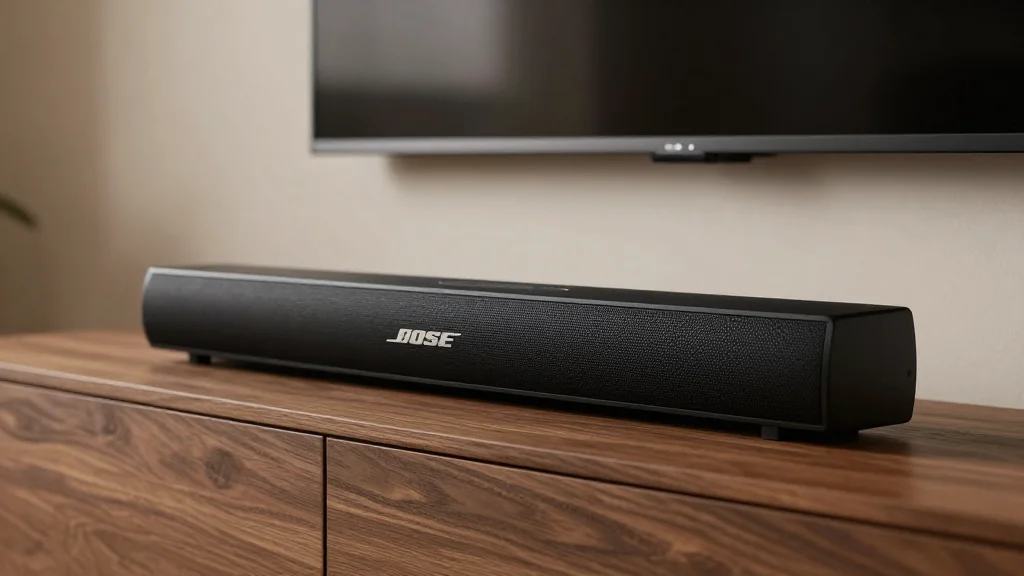
Bose Unveils $1,099 Lifestyle Ultra Soundbar, Sparking Bass‑Heavy Debate

Companies Mentioned
Why It Matters
The Lifestyle Ultra launch marks Bose’s first major foray into the premium soundbar arena in over a decade, directly challenging entrenched players like Sonos, Sony and Samsung. By bundling a high‑price soundbar with a separate subwoofer, Bose is testing whether consumers will accept a modular approach to high‑end home audio, a model that could reshape pricing strategies across the sector. If the bass‑heavy criticism gains traction, it may force manufacturers to rethink driver configurations and room‑calibration algorithms for compact soundbars. Conversely, a strong market response could validate Bose’s design philosophy and encourage other legacy audio brands to re‑invest in flagship home‑theater products, potentially intensifying competition and accelerating innovation in spatial audio and AI‑driven sound processing.
Key Takeaways
- •Bose launched the Lifestyle Ultra Soundbar on May 5, 2026 at $1,099, matching Sonos Arc Ultra pricing.
- •The bar features a nine‑driver array (six full‑range, two up‑firing, one center tweeter) and a 5.0.2‑channel layout.
- •Reviewers praised mid‑range clarity but called the standalone bass response "weak," recommending the optional subwoofer.
- •The ecosystem supports Google Cast, AirPlay, Spotify Connect but lacks backward compatibility with older Bose home‑theater gear.
- •Consumer debate centers on whether the bar’s bass is too aggressive for typical living‑room setups.
Pulse Analysis
Bose’s re‑entry into the premium soundbar market is a calculated gamble. The company leverages its heritage of acoustic engineering while adopting modern connectivity standards, yet it appears to have underestimated the importance of integrated bass performance in a single‑box solution. Competitors such as Sonos have long offered a balanced soundstage with a modest bass footprint, relying on optional rear speakers for immersion. Bose’s decision to sell the subwoofer separately creates a two‑tier pricing model that could alienate price‑sensitive buyers, but it also opens a revenue stream that mirrors the upsell tactics of TV manufacturers.
From a strategic perspective, the Lifestyle Ultra’s AI‑driven dialogue enhancement and room‑correction features signal Bose’s commitment to software differentiation. However, the lack of a seamless HDMI‑passthrough and the omission of rear‑channel support limit its appeal to true home‑theater enthusiasts who expect a full surround experience. The mixed reception underscores a broader industry shift: consumers now demand both high‑fidelity audio and ease of integration with existing ecosystems. Bose’s open‑platform approach (Google Cast, AirPlay) is a step in the right direction, but the fragmented product line may dilute brand cohesion.
Looking ahead, the success of the Lifestyle Ultra will hinge on how quickly Bose can bundle the subwoofer into attractive packages and whether it can deliver firmware updates that broaden bass control without hardware changes. If the brand can turn the current bass‑heavy criticism into a selling point—positioning the soundbar as a “cinema‑grade” option for movie buffs—it may carve out a niche that justifies its premium price. Otherwise, the market may continue to favor more balanced, all‑in‑one solutions from Sonos and Samsung, keeping Bose on the periphery of the high‑end home‑theater conversation.
Bose Unveils $1,099 Lifestyle Ultra Soundbar, Sparking Bass‑Heavy Debate
Comments
Want to join the conversation?
Loading comments...