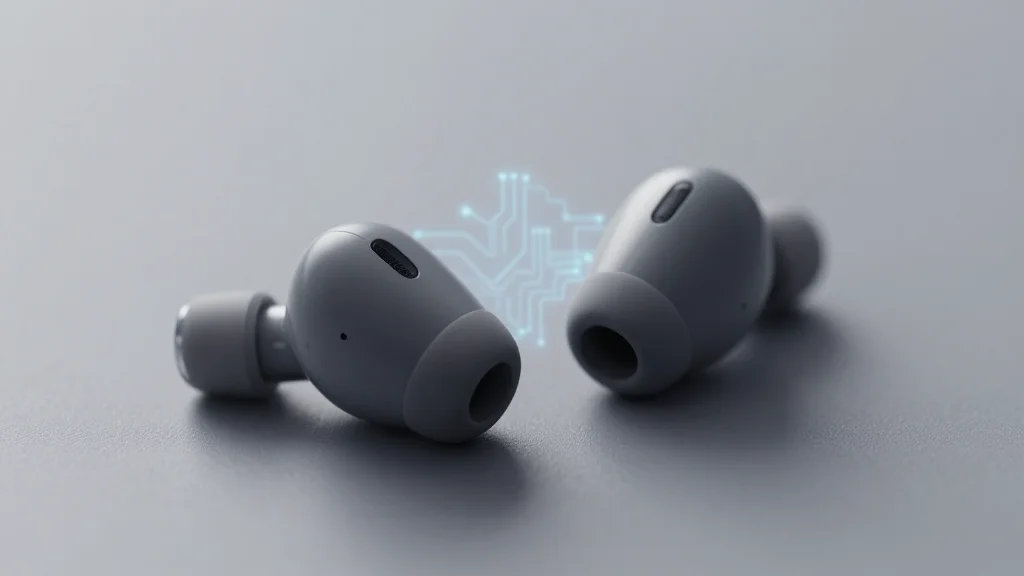
Camera-Equipped AI Earbuds Tell You What You're Looking At
Why It Matters
VueBuds could transform accessibility and on‑the‑go information retrieval by turning ubiquitous earbuds into visual assistants, while also prompting new privacy debates for wearable cameras.
Key Takeaways
- •VueBuds embed rice‑grain cameras inside Sony WF‑1000XM3 earbuds
- •Low‑resolution B&W cameras keep power under 5 mW, extending battery life
- •Object identification accuracy reached 83 % and book recognition 93 % in tests
- •Monochrome sensors limit color detection, affecting some visual tasks
- •Privacy concerns arise from covert image capture without obvious user indicators
Pulse Analysis
Wearable AI is moving beyond head‑mounted displays toward truly invisible devices. By tucking a rice‑grain‑sized camera inside popular noise‑cancelling earbuds, VueBuds sidestep the social backlash that plagued Google Glass while leveraging a form factor that billions already own. The integration of a vision‑language model means users can ask natural‑language questions and receive spoken answers, turning a simple listening device into a portable visual assistant for translation, object identification, and contextual information.
Technically, VueBuds rely on monochrome, low‑resolution sensors that draw less than 5 mW, preserving the battery life of the base Sony WF‑1000XM3 platform. In a controlled study involving 90 participants across 17 visual tasks, the system delivered 83 % accuracy for generic objects and 93 % for book titles—metrics on par with high‑end smart‑glasses like Ray‑Ban Meta. Stereoscopic merging of the dual camera feeds replicates human depth perception, while automatic deactivation conserves energy when not in use. These results demonstrate that high‑quality visual intelligence can be delivered without the bulk or power draw traditionally associated with wearable cameras.
The broader impact touches accessibility, productivity, and privacy. For users with visual impairments, VueBuds offer real‑time described audio, potentially reducing reliance on external assistive tools. Professionals could query equipment layouts or translate signage without pulling out a phone. Yet the covert nature of ear‑mounted cameras raises legitimate privacy concerns, especially without a clear visual indicator. Regulators and manufacturers will need to balance innovation with transparent safeguards to ensure consumer trust as this technology moves from prototype to market.
Camera-equipped AI earbuds tell you what you're looking at
Comments
Want to join the conversation?
Loading comments...