Can a $159 Bluetooth Sleep Mask Actually Help You Snooze Better? I Tested to Find Out
Companies Mentioned
Why It Matters
Bluetooth sleep masks illustrate a growing convergence of wellness and consumer tech, offering a single‑device solution that could reshape the sleep‑aid market and drive higher adoption of integrated sleep‑enhancement products.
Key Takeaways
- •Manta SOUND leads with adjustable speakers and 24‑hour battery
- •Velcro strap may lose stickiness; six‑month warranty included
- •Snoozeband offers built‑in sounds but speaker adjustment is cumbersome
- •Bluetooth masks block light and deliver audio without earbuds
- •Darkness boosts melatonin; audio may improve perceived sleep quality
Pulse Analysis
The sleep‑tech sector has accelerated as consumers seek holistic solutions that address both environmental and sensory factors influencing rest. Traditional ear‑bud setups often clash with side‑sleeping positions or create discomfort, prompting manufacturers to embed speakers directly into light‑blocking masks. This integration taps into a broader wellness trend where convenience and multi‑functionality drive purchasing decisions, especially among millennials and Gen Z who prioritize sleep hygiene alongside tech convenience.
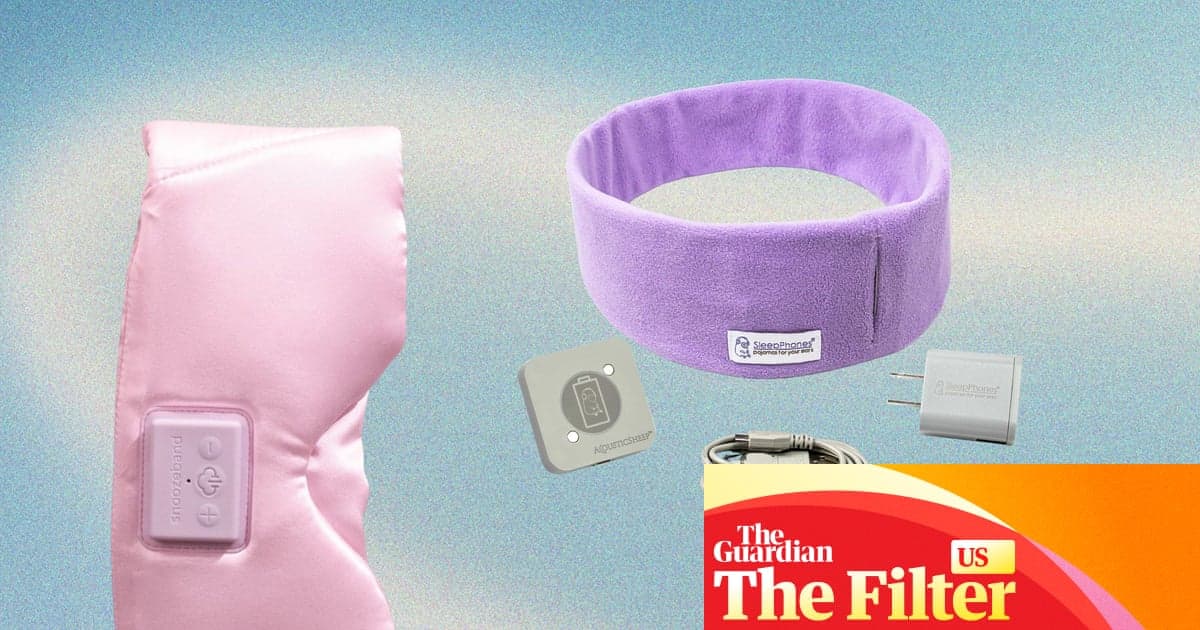
In head‑to‑head testing, the Manta SOUND mask stands out for its customizable speaker placement, 24‑hour battery, and fully sealed eye cups that accommodate all sleep positions. At $159, its premium materials and six‑month warranty justify the price for users who value durability and precise fit. The Snoozeband Silk, priced at $129, offers a silk exterior and built‑in sound library, appealing to those who prefer a softer feel, though its speaker‑adjustment process is less intuitive. Competing models like SleepPhones fall short on light blockage, underscoring the importance of balancing audio quality with true darkness.
Scientific evidence links reduced light exposure to higher melatonin production, while ambient audio can mask disruptive noises, indirectly supporting deeper sleep cycles. Although studies do not conclusively prove that Bluetooth masks improve sleep metrics, user surveys show a sizable portion of adults rely on audio cues at bedtime. As manufacturers refine battery life, waterproofing, and control ergonomics, Bluetooth sleep masks are poised to become a staple in the sleep‑aid ecosystem, offering a compelling alternative to separate masks and earbuds for a growing market of health‑conscious consumers.
Can a $159 Bluetooth sleep mask actually help you snooze better? I tested to find out
Comments
Want to join the conversation?
Loading comments...