Why It Matters
The convergence of tablet and laptop capabilities reshapes enterprise device procurement and empowers remote workers to choose lighter, versatile hardware without sacrificing performance.
Key Takeaways
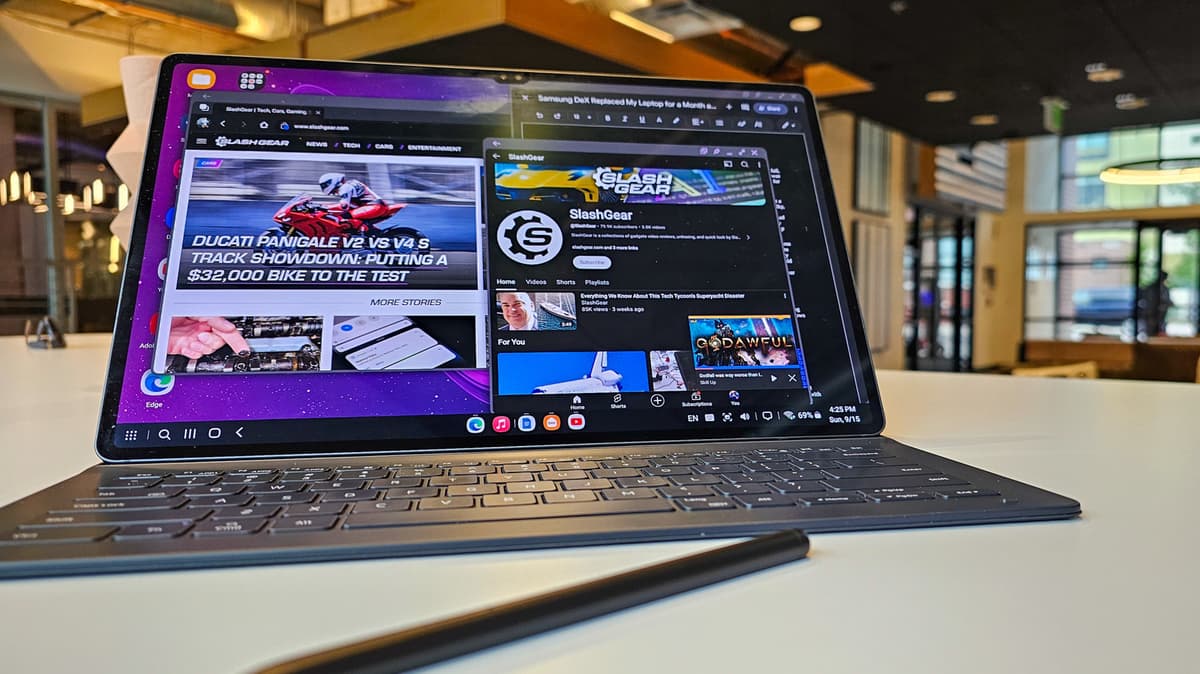
- •Galaxy Tab S10 Ultra’s 14.5‑inch AMOLED rivals small laptops
- •DeX desktop mode adds multi‑monitor and virtual desktop support
- •Android Office apps lag behind full Windows or macOS versions
- •Cloud gaming works, but requires constant high‑speed internet
- •High‑end tablets blur line between mobile and desktop computing
Pulse Analysis
The line between tablets and laptops is eroding faster than ever. Apple’s 2026 MacBook Neo, built on an iPhone‑class A18 Pro chip, shows that a smartphone processor can power a full‑size laptop, while the iPad Pro already delivers PC‑grade performance. Samsung’s answer is the Galaxy Tab S10 Ultra, whose MediaTek Dimensity 9300+ rivals the performance of an Intel Core i7 from ten years ago, delivering desktop‑level speed in a 14.5‑inch, ultra‑thin form factor. This hardware leap is forcing traditional PC vendors to reconsider how much raw power they need to stay competitive.
Productivity is the decisive factor for many professionals, and Samsung leans on its DeX environment to bridge the software gap. DeX transforms the Android UI into a Windows‑like workspace, supporting external monitors, keyboard‑mouse combos, and virtual desktops. When paired with accessories such as the magnetic Book Cover Keyboard, the tablet mimics a laptop’s ergonomics while retaining tablet flexibility. However, Android’s Office suite still trails Microsoft 365 and Adobe’s desktop apps, nudging power users toward Google Workspace or cloud‑based alternatives. For enterprises, this trade‑off means evaluating whether the cost‑savings of a single device outweigh the occasional workflow friction.
Looking ahead, 5G ubiquity and advances in cloud streaming will further diminish the need for dedicated laptops. As Samsung rolls out newer Dimensity chips and refines DeX, tablets could become the default endpoint for many knowledge workers, especially in sectors that prioritize mobility over raw GPU horsepower. The shift also pressures software developers to deliver richer Android versions of their flagship tools. In a market where device consolidation reduces IT overhead, Samsung’s high‑end tablets are poised to capture a growing slice of the traditional laptop segment.
Can A Samsung Tablet Replace A Laptop?
Comments
Want to join the conversation?
Loading comments...