CPSC Launches Massive Recall of Millions of Consumer Tech Items Over Burn and Injury Risks

Companies Mentioned
Why It Matters
The recall touches a wide swath of the consumer tech ecosystem, from household appliances to wearable accessories, highlighting systemic safety gaps in a market driven by rapid product turnover and low‑cost sourcing. For consumers, the immediate risk of burns, fires and poisoning underscores the need for heightened vigilance when purchasing online. For manufacturers, the financial fallout—potentially millions in lost inventory, warranty costs and brand damage—could accelerate investments in safety testing and redesign. Regulators are also signaling a shift toward more proactive enforcement. By targeting products sold on major platforms, the CPSC is pressuring e‑commerce giants to adopt stricter vetting standards, which could reshape supply‑chain dynamics and raise compliance costs across the industry. The recall may thus serve as a catalyst for tighter safety standards that could become a competitive differentiator for tech brands that prioritize rigorous testing.
Key Takeaways
- •CPSC recalls over 2 million consumer tech items, including Bissell steam cleaners and power banks.
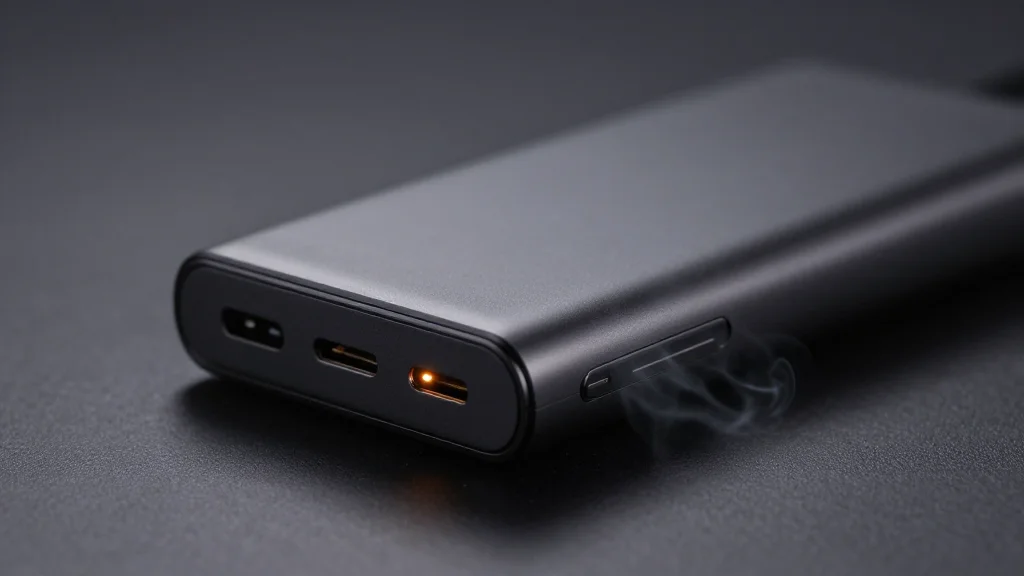
- •Nearly 8,000 Veektomx mini power banks flagged for fire hazards after three property‑damage incidents.
- •Snooz’s Breez smart bedroom fans (≈2,000 units) and Wybotics pool vacuums also pulled for overheating risks.
- •Recall spans electronics, dietary supplements, lighting, pool gear and adult bed rails, many sold on Amazon and Walmart.
- •Consumers urged to stop use, keep items away from children, and seek refunds or replacements.
Pulse Analysis
The CPSC’s sweeping recall marks a watershed moment for consumer tech safety oversight. Historically, product recalls have focused on toys or large appliances; this is one of the first to bundle a diverse set of smart devices, power accessories and even health supplements under a single safety umbrella. The move reflects regulators’ recognition that the line between ‘electronics’ and ‘everyday consumer goods’ is blurring as more devices become internet‑enabled and battery‑powered.
From a market perspective, the recall could accelerate consolidation among low‑margin manufacturers who lack the resources to meet heightened safety standards. Companies that can demonstrate robust compliance frameworks may capture market share, while those reliant on cheap overseas production could face mounting pressure from retailers demanding proof of safety certifications. In the short term, retailers like Amazon may tighten their “dangerous goods” screening algorithms, potentially slowing the velocity of new product listings.
Looking ahead, the recall may spur legislative action. Lawmakers have already floated bills to require mandatory third‑party safety testing for all battery‑powered devices sold in the U.S. If enacted, such measures would raise the cost of entry for startups but could also level the playing field by eliminating unsafe, ultra‑cheap imports. For consumers, the episode reinforces the importance of scrutinizing product reviews, checking for safety certifications, and staying alert to recall notices—a shift that could reshape purchasing habits in the increasingly connected home.
CPSC Launches Massive Recall of Millions of Consumer Tech Items Over Burn and Injury Risks
Comments
Want to join the conversation?
Loading comments...