Why It Matters
The steep laptop discounts pressure enterprise procurement budgets while the Framework mystery boxes illustrate a growing market for low‑cost, up‑gradable hardware, albeit with consumer risk.
Key Takeaways
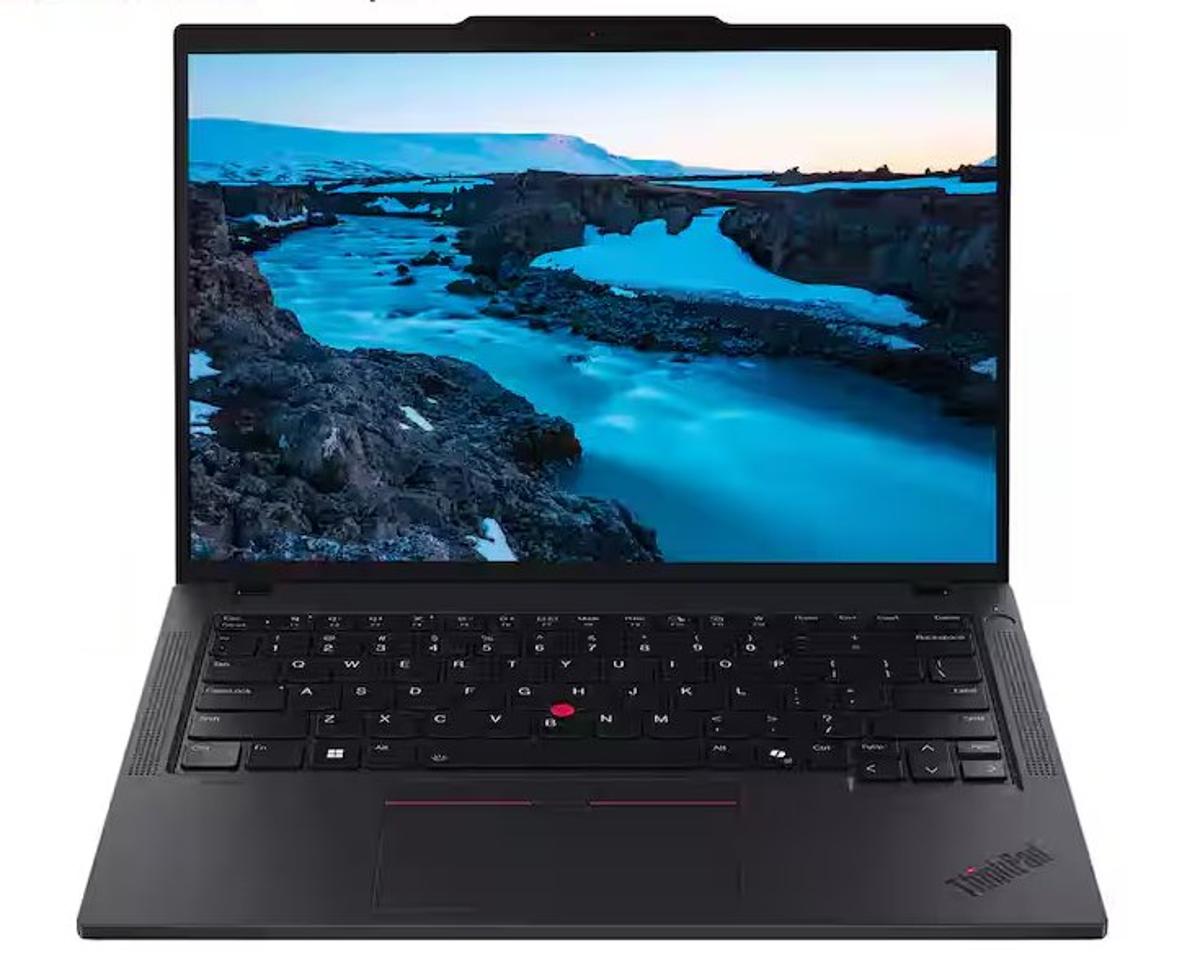
- •Best Buy sells ThinkPad T14 for $920, 35% off MSRP
- •Lenovo Yoga 7 OLED convertible priced at $600
- •Framework mystery boxes start $39, no warranty, gamble
- •Feb 27 limited‑time deals across laptops, tablets, accessories
- •Chargers and earbuds under $30 offer high value
Pulse Analysis
The Lenovo ThinkPad T14 Gen 6 discount underscores how traditional OEM pricing is being disrupted by aggressive retailer promotions. By slashing the price to $920, Best Buy forces competitors to reconsider margin structures, especially as enterprise buyers seek cost‑effective performance laptops for remote work and hybrid offices. This price compression also accelerates the adoption cycle for newer Intel Core Ultra processors, pushing legacy inventory off shelves faster than usual.
Beyond the flagship laptop, the February 27 deals bundle a variety of consumer electronics—from a $600 Yoga 7 OLED convertible to budget‑friendly chargers and noise‑cancelling earbuds—all sourced from major platforms like Amazon, Woot and Humble Bundle. Such cross‑category promotions encourage shoppers to consolidate purchases with a single retailer, boosting average order values while reinforcing brand loyalty. For manufacturers, the flash‑sale model provides a rapid inventory turnover mechanism, albeit at the expense of perceived premium positioning.
Framework’s Mystery Box initiative taps into the growing DIY and sustainability trend, offering modular laptop components at rock‑bottom prices. While the lack of warranty and functional guarantees introduces risk, the concept appeals to tech enthusiasts eager to experiment with up‑gradable hardware and extend device lifespans. If the model gains traction, it could pressure traditional laptop vendors to explore more transparent, component‑level pricing strategies, potentially reshaping the future of portable computing.
Deals Roundup (2-27-2026)
0
Comments
Want to join the conversation?
Loading comments...