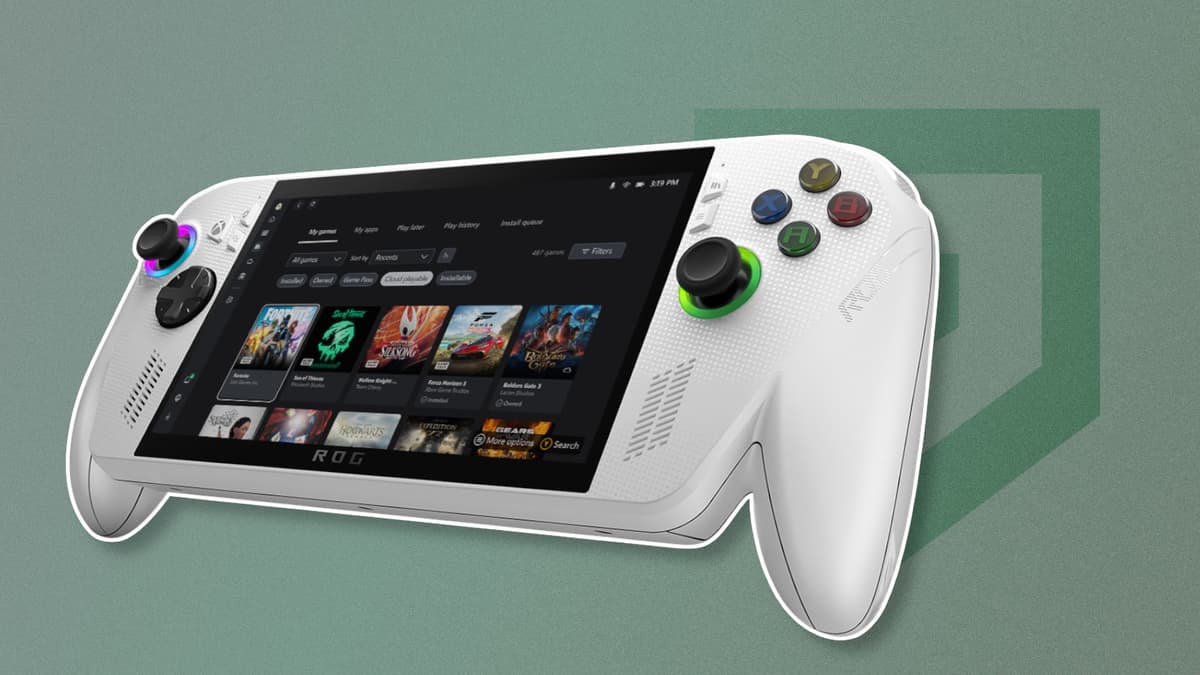
Despite Positive Reviews, It Seems the ROG Xbox Ally Isn't the Steam Deck Rival that Asus and Microsoft Likely Hoped For
•February 20, 2026
0
Why It Matters
The Ally’s struggle underscores the difficulty of displacing the Steam Deck in the PC handheld niche and highlights pricing and timing as critical success factors for new entrants.
Key Takeaways
- •ROG Xbox Ally sales fell after strong launch month
- •Steam Deck holds ~50% handheld market share
- •High price and late launch hinder Ally adoption
- •Nintendo Switch dominates broader handheld market
Pulse Analysis
Valve’s Steam Deck remains the benchmark for handheld PC gaming, capturing roughly half of all sales in the segment for two consecutive years. Its early market entry, aggressive pricing, and strong developer support have created a high barrier for latecomers. The ROG Xbox Ally, despite solid hardware and an 8/10 review score, entered the arena three years after the Deck, positioning it as a premium alternative at $600‑$1,000—a price point that limited mass‑market appeal. As a result, volume remained low, and the device failed to shift market dynamics, even as the Deck faces periodic stock shortages that temporarily boost demand.
Pricing strategy and launch timing are pivotal in the handheld space. The Ally’s premium cost placed it above many consumers’ willingness to pay, especially when the Steam Deck offers comparable performance at a lower price. Additionally, the three‑year lag meant that many gamers had already adopted the Deck or were waiting for the next generation of consoles, reducing the Ally’s perceived relevance. Analysts suggest that future handheld contenders must either undercut the Deck’s price or deliver a compelling, differentiated experience to attract a broader audience.
The broader handheld market continues to be dominated by Nintendo, whose Switch family has sold over 170 million units across two generations. This dominance illustrates that while PC‑based handhelds battle for niche supremacy, Nintendo’s ecosystem and exclusive titles secure its position in the mass market. For Asus and other PC manufacturers, the lesson is clear: success requires not only powerful hardware but also strategic pricing, timely releases, and a robust software ecosystem to compete with both Valve’s Deck and Nintendo’s entrenched platform.
Despite positive reviews, it seems the ROG Xbox Ally isn't the Steam Deck rival that Asus and Microsoft likely hoped for
0
Comments
Want to join the conversation?
Loading comments...