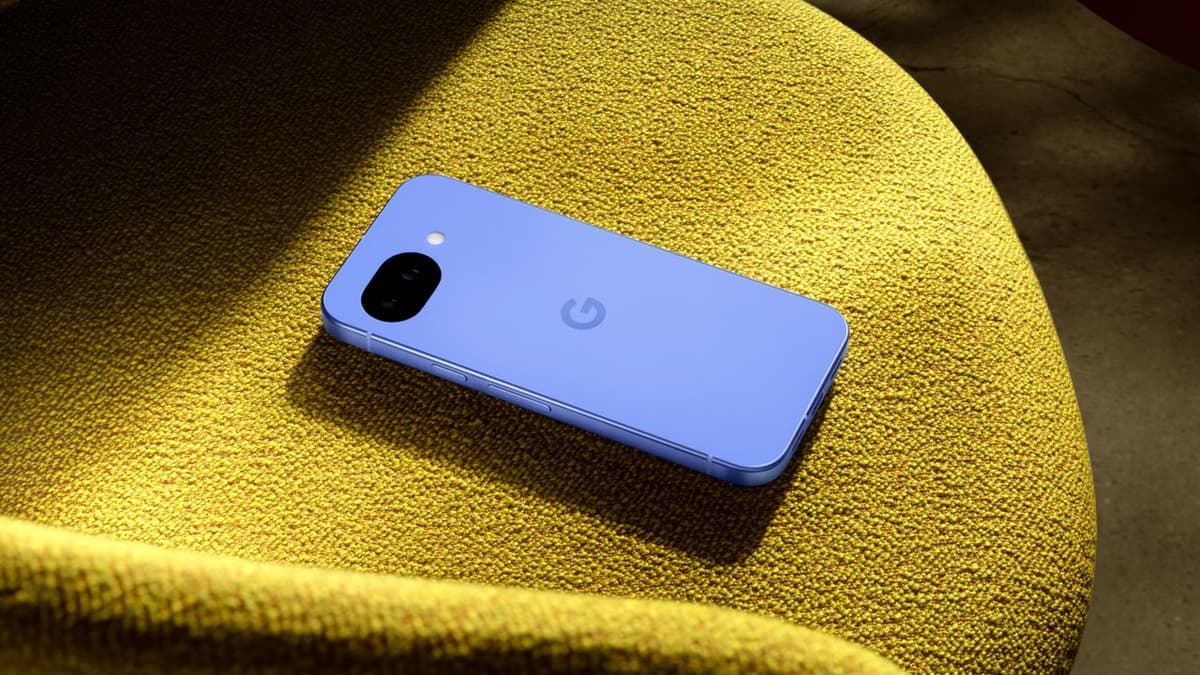
Does the Google Pixel 10a Support Qi2 Magnetic Charging?
•February 21, 2026
0
Companies Mentioned


Why It Matters
The omission of Qi2 limits the Pixel 10a’s appeal to consumers seeking seamless magnetic wireless charging, affecting Google’s push for a unified accessories ecosystem in the competitive low‑cost Android market.
Key Takeaways
- •Pixel 10a offers 30 W wired charging
- •Wireless charging limited to 10 W, no Qi2 magnets
- •Battery capacity unchanged at 5,100 mAh
- •Brighter display with Gorilla Glass 7i
- •Seven years of Android OS and security updates
Pulse Analysis
The rise of Qi2 magnetic charging has reshaped consumer expectations for wireless power, promising faster rates and snap‑on accessories that simplify daily use. Manufacturers that embed magnets gain a competitive edge, as users can align chargers effortlessly and enjoy higher efficiency. Google’s decision to omit this feature from the Pixel 10a signals a cost‑saving trade‑off, potentially alienating buyers who prioritize convenience over price in the crowded budget segment.
Beyond charging, the Pixel 10a mirrors its predecessor’s hardware, retaining the 5,100 mAh cell while nudging performance with a brighter screen and Corning Gorilla Glass 7i protection. The upgrade to 30 W wired and 10 W wireless charging modestly improves real‑world charge times, especially when paired with Google’s 45 W USB‑C wall adapter. Coupled with Android 16 out of the box and a promise of seven years of updates, the device offers longevity that few rivals match at this price point.
For cost‑conscious shoppers, the Pixel 10a presents a compelling value proposition: solid battery life, premium software support, and a familiar form factor. Yet the lack of Qi2 compatibility may steer power‑hungry users toward alternatives that support magnetic charging ecosystems, such as Samsung’s Galaxy A series or emerging Android One devices. Retail pricing ranging from sub‑$30 carrier deals to $499 at major retailers underscores the importance of promotional timing; savvy buyers should weigh the trade‑off between accessory flexibility and the phone’s overall affordability.
Does the Google Pixel 10a support Qi2 magnetic charging?
0
Comments
Want to join the conversation?
Loading comments...