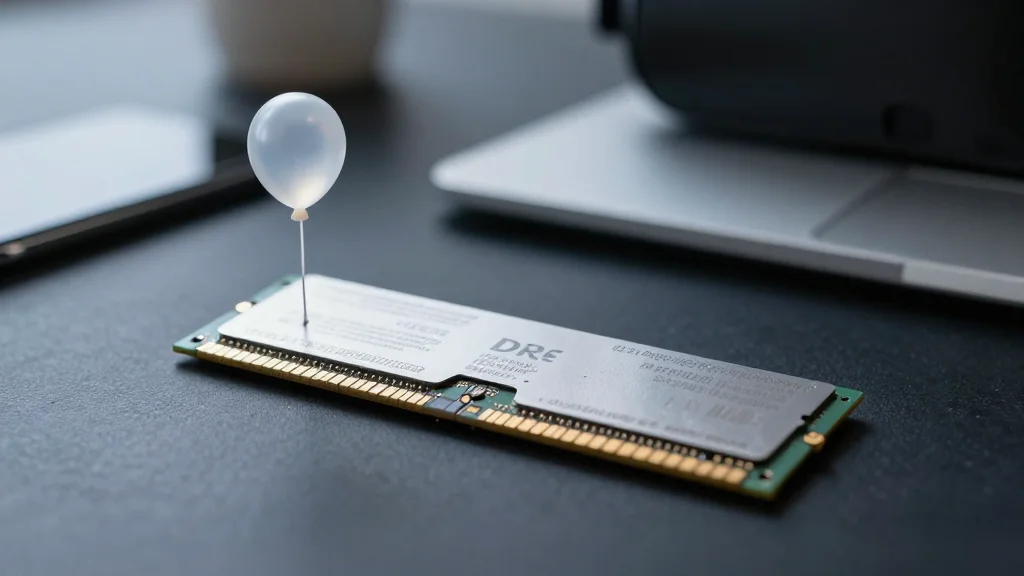
DRAM Shortage to Persist Through 2027, Driving Up Prices for Phones, Laptops and VR Headsets

Companies Mentioned

Why It Matters
The prolonged DRAM shortage reshapes the consumer tech market by inflating the cost of core components that power smartphones, laptops, and emerging devices like VR headsets. Higher component prices force manufacturers to raise retail prices, which can suppress demand in price‑sensitive segments and accelerate a shift toward premium, higher‑margin products. This dynamic also pressures supply chains, as firms scramble for limited memory inventory, potentially leading to longer lead times and reduced product variety. For investors and policymakers, the shortage highlights the strategic importance of semiconductor supply resilience. Dependence on a narrow set of fab locations and the vulnerability of helium supplies for chipmaking underscore geopolitical and resource risks that could reverberate across the broader tech ecosystem.
Key Takeaways
- •DRAM supply projected to meet only ~60% of demand through 2027, per Samsung, SK Hynix and Micron.
- •Component costs have risen 45%‑70% year‑over‑year, driving $100‑$500 price hikes in smartphones, laptops and VR headsets.
- •Meta raises Quest 3 price by $100; Microsoft cites memory costs for $500 Surface price increases.
- •China smartphone market sees Huawei hold 20% share despite a 4% YoY shipment decline.
- •India’s smartphone shipments fell 3% YoY; average device price up ₹1,500 (≈ $18).
Pulse Analysis
The DRAM crunch is more than a temporary supply hiccup; it is a structural bottleneck that will redefine consumer tech pricing for the next several years. Historically, memory shortages have been cyclical, but the confluence of AI‑driven demand, constrained helium supplies for wafer processing, and a deliberate industry pivot toward high‑bandwidth memory for data centers has created a perfect storm. Companies that have diversified their memory sourcing—either through long‑term contracts with multiple fabs or by designing products around lower‑memory configurations—will be better positioned to weather the price volatility.
From a competitive standpoint, the shortage amplifies the advantage of firms with deep domestic supply chains. Huawei’s reliance on Chinese memory producers insulated it from the worst of the price surge, allowing it to maintain a 20% market share in China. Conversely, brands like Xiaomi, which lack comparable supply buffers, saw a 35% shipment drop. This divergence suggests that supply‑chain resilience will become a key differentiator in market share battles, especially in emerging markets where price elasticity is high.
Looking forward, the industry’s focus on HBM for AI workloads may inadvertently entrench the shortage for consumer devices. As the three memory giants allocate the bulk of new capacity to AI‑centric products, the lag in standard‑density DRAM will likely persist until at least 2028. Policymakers may need to consider incentives for expanding general‑purpose DRAM capacity or investing in alternative cooling technologies that reduce helium dependence. For consumers, the immediate reality will be higher prices and slower upgrade cycles, a trend that could accelerate the shift toward longer‑lasting, higher‑priced flagship devices.
DRAM Shortage to Persist Through 2027, Driving Up Prices for Phones, Laptops and VR Headsets
Comments
Want to join the conversation?
Loading comments...