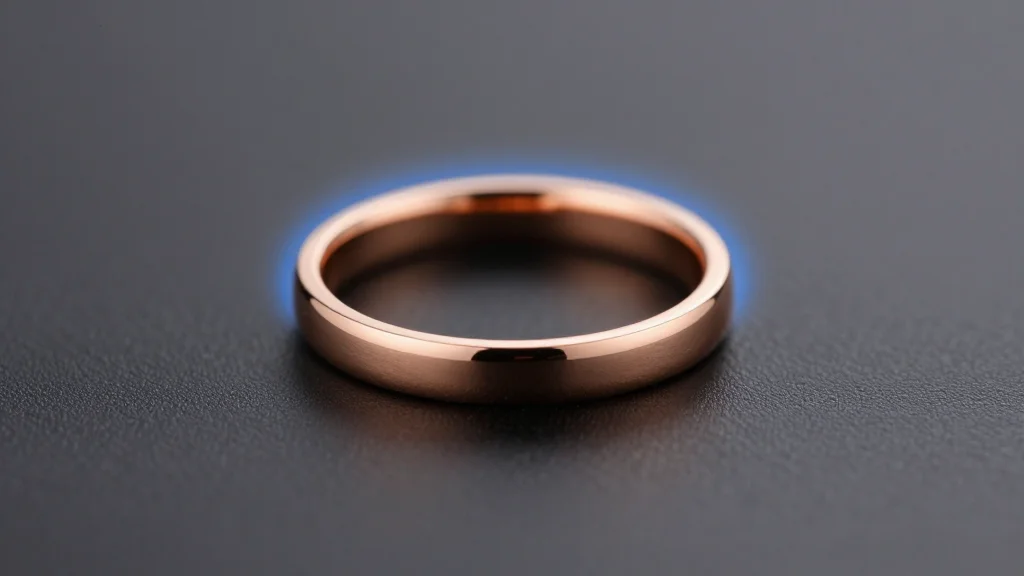
Dreame NEXT Unveils Ultra‑Thin Smart Ring at San Francisco Launch

Why It Matters
The smart‑ring market has become a litmus test for how far health‑tech can blend into daily life without becoming intrusive. Dreame’s ultra‑thin design directly addresses the primary pain point—comfort—that has limited long‑term adoption of many wearables. If the ring delivers reliable health data while remaining virtually invisible, it could accelerate mainstream acceptance of continuous biometric monitoring. Moreover, Dreame’s luxury tier blurs the line between technology and fashion, a strategy that could attract affluent consumers who have previously shunned health gadgets as utilitarian. By positioning the ring as both a health device and a piece of heirloom jewelry, Dreame may open a new revenue stream that leverages its existing manufacturing scale while challenging incumbents that focus solely on function.
Key Takeaways
- •Dreame unveiled three smart rings—AI Smart Ring, AI NFC Smart Ring, and Glow Ring—at a San Francisco event on April 29, 2026.
- •Each ring is 2.5 mm thick and weighs just 2.6 g, using aviation‑grade titanium alloy and hypoallergenic epoxy resin.
- •The AI Smart Ring provides haptic alerts; the NFC version stores digital passes; the Glow Ring monitors heart rate, SpO₂, temperature, respiration and sleep.
- •Luxury variants feature 18K gold, Pt950 platinum, diamonds and other gemstones, with hand‑polished finishes.
- •Dreame’s North American revenue grew 189% YoY by 2025; R&D now exceeds 7% of revenue, supporting the rapid rollout of new product categories.
Pulse Analysis
Dreame’s foray into smart wearables is a logical extension of its core competency—high‑speed digital motors and AI‑driven perception—applied to a form factor where size and comfort are paramount. The company’s ability to shrink a multi‑sensor suite into a 2.5 mm band suggests a mastery of miniaturization that could translate into other health‑tech products, such as ultra‑compact continuous glucose monitors or implantable sensors. This technical edge, combined with a 7%+ R&D spend, positions Dreame to out‑innovate rivals that rely on incremental upgrades.
However, the ring’s success hinges on more than engineering. Consumer trust in health data accuracy, battery longevity and data privacy will be decisive. Dreame has not disclosed battery specifications or the security architecture for its NFC and health data streams, leaving a gap that competitors like Oura have already filled with transparent third‑party audits. If Dreame can quickly provide rigorous validation, it could leverage its massive global distribution network—over 6,500 retail locations—to achieve rapid scale.
Finally, the luxury positioning could be a double‑edged sword. While premium materials may attract high‑net‑worth buyers, they also raise price expectations that could alienate the broader health‑conscious market. Dreame will need a clear tiered pricing strategy that balances exclusivity with accessibility. If it can navigate these challenges, the DREAME NEXT ring could become a benchmark for the next generation of unobtrusive, high‑value wearables, reshaping how consumers think about continuous health monitoring.
Dreame NEXT Unveils Ultra‑Thin Smart Ring at San Francisco Launch
Comments
Want to join the conversation?
Loading comments...