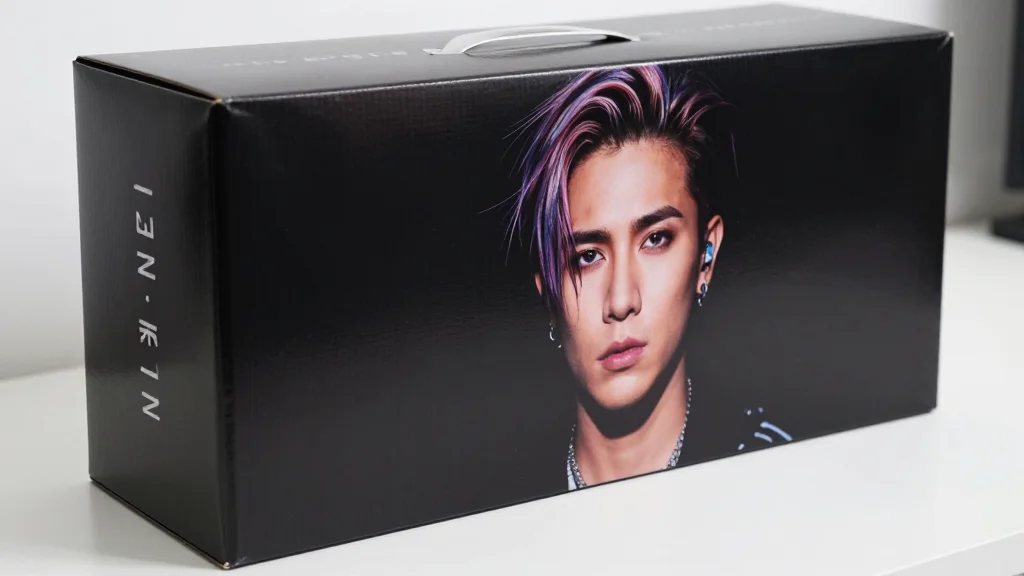
Dua Lipa Sues Samsung for $15 Million over TV Box Image

Companies Mentioned
Why It Matters
The lawsuit pits a global pop icon’s control over her image against a major consumer‑tech brand’s packaging practices, raising questions about the scope of right‑of‑publicity in product marketing. A ruling in favor of Dua Lipa could force electronics companies to renegotiate licensing agreements, potentially slowing time‑to‑market for new devices and increasing marketing expenses. Beyond Samsung, the case signals to all firms that using celebrity likenesses without explicit consent may expose them to multi‑million‑dollar liability. It also highlights the growing power of artists to protect their brand equity in an era where visual content is easily repurposed across global supply chains.
Key Takeaways
- •Dua Lipa sues Samsung for $15 million over unauthorized use of her image on TV boxes.
- •Complaint filed in U.S. District Court, Central District of California by Mitchell Silberberg & Knupp LLP.
- •Lawsuit alleges copyright, trademark, Lanham Act and right‑of‑publicity violations.
- •Samsung claims the image was cleared by a content partner and is open to a constructive resolution.
- •Preliminary hearing set for July 2026; outcome could reshape celebrity licensing in consumer tech.
Pulse Analysis
Samsung’s aggressive packaging strategy reflects a broader industry trend: leveraging celebrity cachet to differentiate commoditized hardware. Historically, brands like Apple and Sony have relied on sleek design and ecosystem lock‑in rather than star power, but the proliferation of low‑margin TV models has pushed manufacturers to seek visual shortcuts that signal premium quality. Dua Lipa’s lawsuit forces a reckoning with that shortcut, exposing a legal blind spot where third‑party content providers may assume liability, leaving the brand exposed.
If the court finds Samsung liable, the immediate impact will be a surge in licensing fees and a shift toward in‑house clearance teams, echoing the post‑Apple‑iPhone era when device makers tightened control over accessory ecosystems. Smaller OEMs could be disproportionately affected, potentially consolidating market power among firms that can absorb higher compliance costs. Conversely, a dismissal would embolden other tech firms to continue outsourcing image clearance, reinforcing a risk‑transfer model that places the burden on content aggregators.
Strategically, Samsung must balance the short‑term marketing boost against long‑term brand integrity. The company’s statement of openness to resolution suggests a willingness to negotiate a settlement that could include retroactive licensing and future partnership terms. Such a settlement would set a de‑facto industry standard, prompting a wave of similar agreements across the sector. For artists, the case underscores the importance of owning not just the performance but the underlying visual assets, a lesson amplified by the rise of AI‑generated imagery that blurs the line between original and derivative works. Ultimately, the lawsuit could catalyze a new era of transparent, mutually beneficial collaborations between consumer‑tech brands and high‑profile talent, reshaping how products are marketed in the digital age.
Dua Lipa sues Samsung for $15 million over TV box image
Comments
Want to join the conversation?
Loading comments...