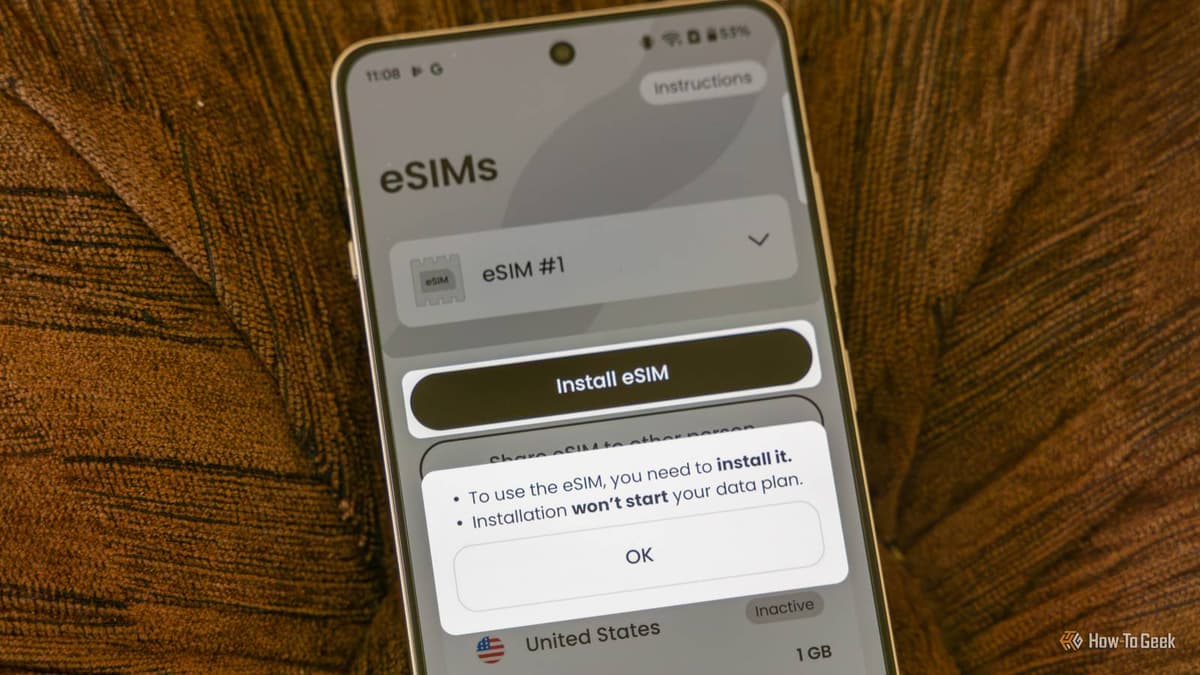
ESIM Was Supposed to Replace SIM Cards, but Carriers Turned It Into a Trap
Companies Mentioned
Why It Matters
Without a streamlined, carrier‑agnostic eSIM framework, consumers and enterprises face unnecessary switching costs and security risks, slowing adoption of truly digital mobile connectivity.
Key Takeaways
- •eSIMs simplify international data plans but still depend on carrier policies
- •Carrier‑locked phones block third‑party eSIM activation
- •Transferring eSIMs between devices often requires support calls
- •No universal eSIM transfer standard hinders seamless carrier switching
- •Future vision: Wi‑Fi‑style onboarding with passkeys could replace SIM numbers
Pulse Analysis
The eSIM rollout has highlighted a gap between technological promise and market execution. While virtual SIMs eliminate the physical card, carriers continue to enforce proprietary activation flows, often requiring users to navigate apps, QR codes, or customer‑service calls. This friction undermines the core benefit of instant global connectivity, especially for frequent travelers who once relied on cheap local SIMs. Industry analysts note that the lack of a unified provisioning protocol creates a fragmented experience across iOS, Android, and emerging 5G devices, limiting the scalability of eSIM adoption.
From a security perspective, eSIMs introduce new challenges. The removal of a tangible card reduces the barrier for remote SIM‑swap attacks, prompting carriers to embed additional verification steps that can delay legitimate transfers. At the same time, device‑level locks prevent users from switching carriers without unlocking the handset, effectively recreating the old “carrier‑locked” model in a digital guise. Enterprises managing large device fleets must now contend with vendor‑specific eSIM management platforms, adding operational overhead and potential compliance concerns.
Looking ahead, the industry is converging on a vision where mobile subscriptions are as simple as joining a Wi‑Fi network. Standards bodies are exploring passkey‑based authentication and QR‑free provisioning, which could decouple phone numbers from hardware entirely. If carriers adopt open, interoperable APIs, consumers could activate service with a username and password, unlocking true portability and reducing churn. Until such universal standards materialize, eSIMs will remain a partially realized innovation, delivering convenience for some while leaving many still trapped in legacy carrier constraints.
eSIM was supposed to replace SIM cards, but carriers turned it into a trap
Comments
Want to join the conversation?
Loading comments...