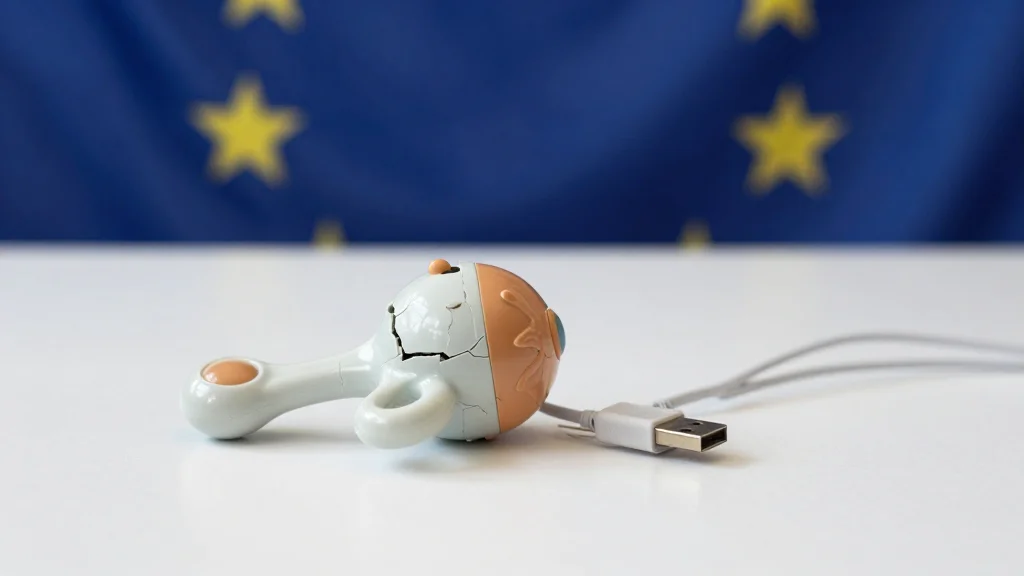
EU Hits Temu with $232 Million Fine Over Unsafe Electronics and Toys

Why It Matters
The fine signals a turning point for consumer safety in the digital age, where low‑cost marketplaces often bypass traditional quality controls. By enforcing the Digital Services Act, the EU is setting a precedent that could ripple through global e‑commerce, compelling platforms to invest in rigorous product testing and supplier vetting. For shoppers, the move promises greater confidence that items purchased online meet basic safety standards, potentially reducing injuries and recalls. For the industry, the penalty serves as a warning that non‑compliance carries hefty financial and reputational costs. Companies that rely on vast, decentralized seller networks must now prioritize risk‑management systems or risk similar sanctions. The case may also accelerate consolidation, as smaller sellers gravitate toward platforms with proven compliance frameworks, reshaping the competitive landscape of online retail.
Key Takeaways
- •EU fines Temu €200 million ($232 million) for unsafe chargers and baby toys
- •Penalty issued under the Digital Services Act for Very Large Online Platforms
- •Temu must submit a remediation plan by Aug. 28 or face further sanctions
- •Fine follows a €120 million penalty on another platform last year
- •Regulators found chargers failed basic electrical safety and toys exceeded chemical limits
Pulse Analysis
The Temu fine illustrates how regulatory pressure is catching up with the rapid expansion of ultra‑low‑price marketplaces. Historically, platforms have leveraged the anonymity of third‑party sellers to keep prices low, often at the expense of rigorous safety checks. The EU’s enforcement demonstrates that cost advantages can no longer be achieved by sidestepping compliance. In the short term, we can expect Temu to allocate significant resources to audit its supply chain, likely increasing operational costs and narrowing its price advantage.
Long‑term, the decision could catalyze a wave of industry‑wide reforms. Competitors such as Shein, Wish, and Amazon Marketplace may pre‑emptively tighten their product‑safety protocols to avoid similar penalties, especially as other jurisdictions consider adopting EU‑style digital safety rules. This could lead to a tiered market where premium, compliance‑focused platforms coexist with budget‑oriented players that accept higher regulatory risk.
From a consumer perspective, heightened enforcement may restore some trust in discount e‑commerce, but it could also push price‑sensitive shoppers back to traditional retailers or local stores, reshaping demand patterns. Ultimately, the Temu case underscores that the era of unchecked, ultra‑cheap online goods is ending; platforms must now balance speed, price, and safety to survive in a more regulated digital marketplace.
EU Hits Temu with $232 Million Fine Over Unsafe Electronics and Toys
Comments
Want to join the conversation?
Loading comments...