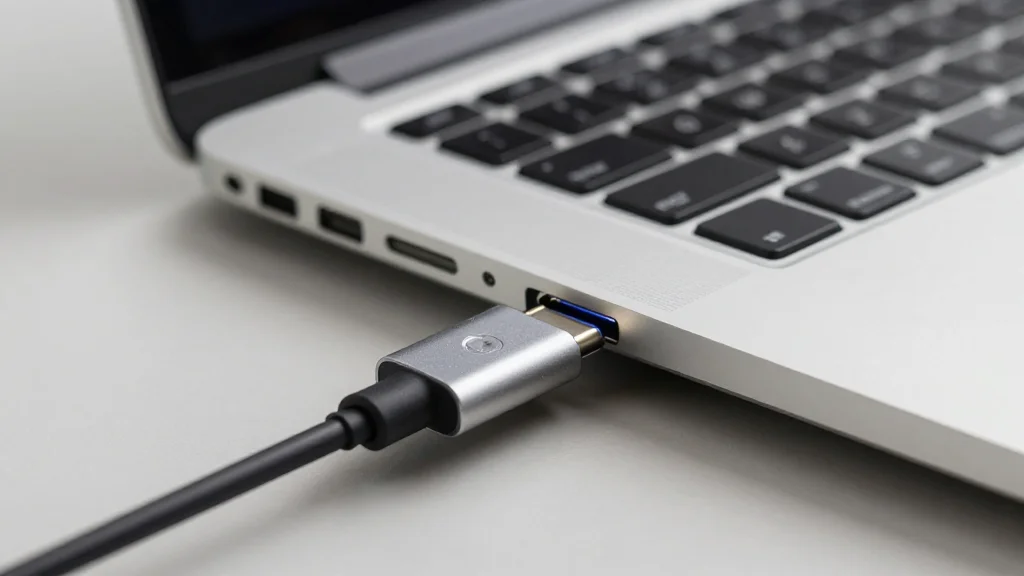
EU Mandates USB-C Charging for All New Laptops Starting Today 28th April 2026
Why It Matters
Standardizing USB‑C on laptops cuts electronic waste, lowers costs for consumers, and pressures manufacturers to align product designs with a universal charging ecosystem, reshaping the European laptop market.
Key Takeaways
- •USB‑C mandatory for all new EU laptops from April 28, 2026.
- •Expected EU charger waste reduction of 11,000 tons annually.
- •Consumers could save about $220 million each year.
- •USB PD 3.1 supports up to 240 W, covering most laptops.
- •High‑performance gaming laptops may still need proprietary chargers.
Pulse Analysis
The EU’s expanded charger directive marks a decisive step toward a circular electronics economy. By requiring USB‑C on every new laptop, regulators aim to eliminate the staggering 11,000 tons of discarded chargers generated each year. Consumers stand to benefit from the ability to reuse existing adapters, translating into an estimated $220 million in annual savings across the single market. Beyond the environmental upside, the policy reduces accessory fragmentation, simplifying procurement for businesses that equip large workforces with standardized hardware.
From a technical standpoint, the mandate hinges on USB Power Delivery 3.1, which can push up to 240 watts—enough for the majority of thin‑and‑light and business‑class notebooks. This power envelope accommodates the power‑hungry CPUs and GPUs found in modern Intel and AMD platforms while preserving thin form factors. Manufacturers with flagship gaming or workstation laptops, however, may still ship proprietary connectors to meet extreme power demands, creating a dual‑charging ecosystem that respects performance needs without undermining the broader standardization goal.
For the industry, the directive accelerates supply‑chain convergence and could set a de‑facto global benchmark. Companies that have already migrated to USB‑C, such as Dell, HP, and Apple, will face minimal redesign costs, while late adopters must re‑engineer chassis and power‑delivery circuits to comply. The rule also nudges component suppliers toward higher‑capacity USB‑C cables and adapters, expanding a market that is already seeing rapid price declines. As other regions watch the EU’s outcomes, the universal charger may become a worldwide norm, reshaping product development cycles and reinforcing sustainability as a competitive differentiator.
EU Mandates USB-C Charging for All New Laptops Starting today 28th April 2026
Comments
Want to join the conversation?
Loading comments...