%20052026%20SOURCE%20Microsoft.jpg)
Everyone Has Their Targets Set on the MacBook Neo
Companies Mentioned
Why It Matters
The shift shows Apple reshaping low‑end premium laptops, pressuring Windows OEMs to balance cost, performance, and design, which could redraw market share in the next year.
Key Takeaways
- •Apple’s $599 MacBook Neo targets budget‑premium segment.
- •Dell XPS 13 mirrors Neo’s design, starts at $699 with 8 GB RAM.
- •Microsoft’s Surface Laptop 13 offers 8 GB RAM at $1,200 price.
- •Dell allows upgrades to 32 GB RAM and 1 TB storage.
- •Qualcomm’s Snapdragon C chip aims for Windows laptops under $300.
Pulse Analysis
Apple’s aggressive pricing with the MacBook Neo disrupts the traditional laptop hierarchy, positioning a premium‑look device at a sub‑$600 price. By using a slower iPhone‑class chip and limiting memory to 8 GB, Apple bets that consumers will prioritize design, display quality, and brand cache over raw performance. This gamble forces rivals to either match the aesthetic and price or risk losing price‑sensitive buyers who still expect a premium feel. The Neo’s success therefore acts as a catalyst for a broader re‑evaluation of value in the portable computing market.
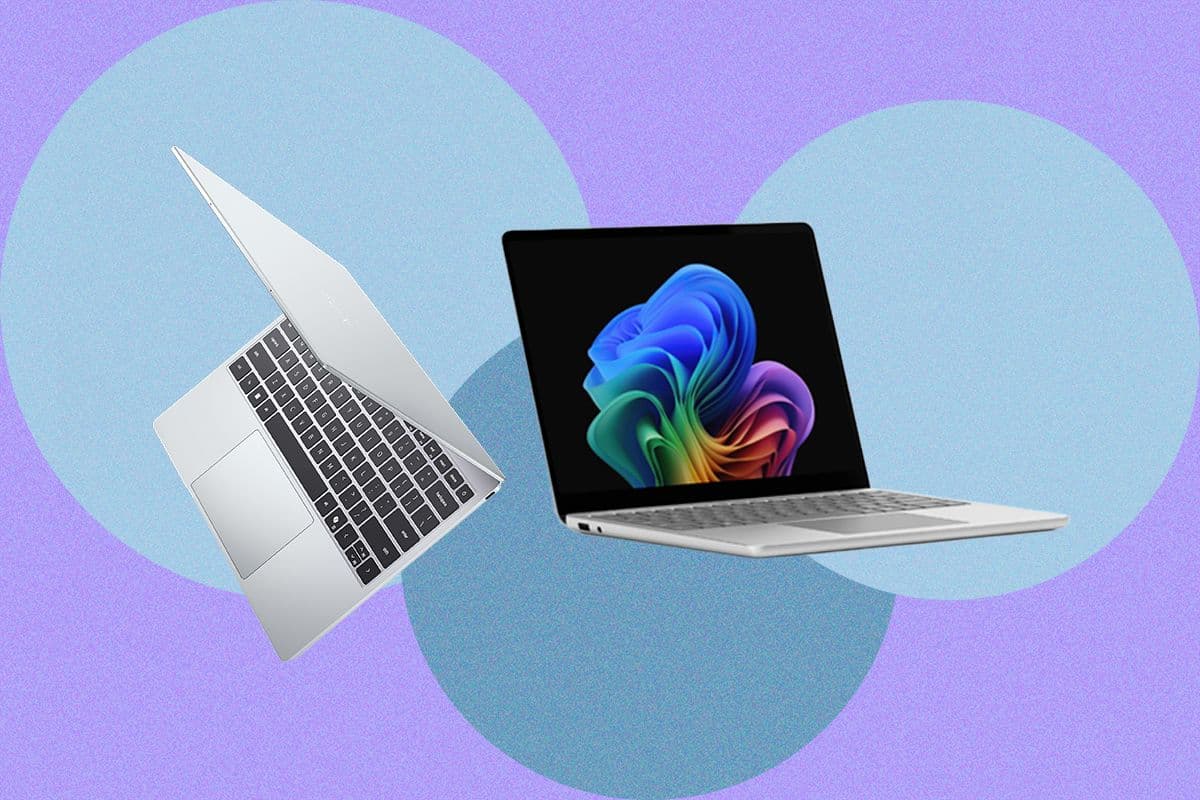
Windows OEMs have taken divergent paths. Dell’s new XPS 13 directly copies the Neo’s aluminum chassis, high‑resolution 120 Hz panel, and $699 price point, while still offering configurable upgrades up to 32 GB RAM and 1 TB storage—an acknowledgement that flexibility remains a Windows strength. Microsoft, by contrast, introduced a Surface Laptop 13 with 8 GB RAM at a $1,200 launch price, a move that appears to chase the Neo’s memory‑cap strategy without matching its price advantage, potentially alienating business buyers who expect higher specs for that cost. The split illustrates how OEMs weigh brand perception against component constraints amid a global memory shortage.
The competitive ripple extends beyond Apple and the major OEMs. Qualcomm’s announcement of the Snapdragon C processor, aimed at Windows laptops priced around $300, could democratize low‑cost, ARM‑based devices and intensify price wars. If manufacturers pair this chip with premium designs, the market may see a surge of ultra‑affordable yet stylish laptops, further eroding the price gap between budget and premium segments. Analysts will watch how quickly the ecosystem adapts, as supply‑chain pressures and consumer demand for both performance and aesthetics reshape laptop pricing strategies for the foreseeable future.
Everyone Has Their Targets Set on the MacBook Neo
Comments
Want to join the conversation?
Loading comments...