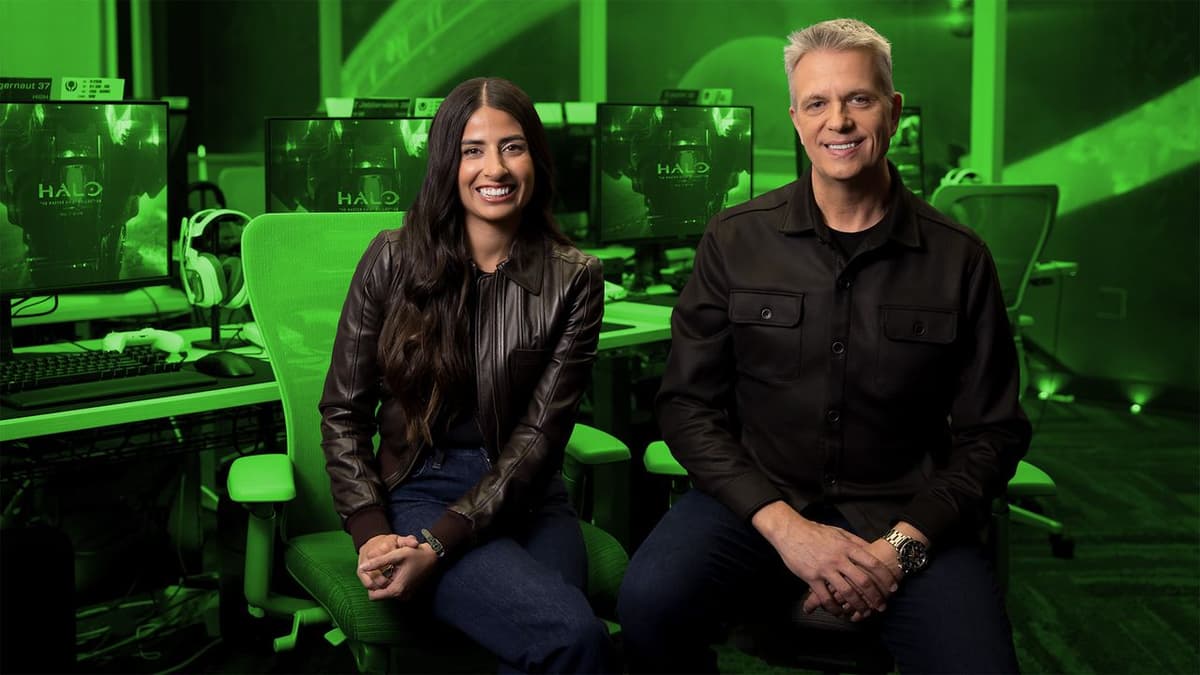
Exclusive: Talking to New Xbox CEO Asha Sharma and CCO Matt Booty — "This Team Has Brought It Back Before, and I'm Here to Help Us Do It Again."
•February 24, 2026
0
Why It Matters
The leadership shift could steer Xbox back toward hardware‑centric growth, influencing console sales and the broader gaming ecosystem. It also sets industry standards for AI use and first‑party development strategy.
Key Takeaways
- •Asha Sharma appointed Xbox CEO Feb 23, 2026
- •Commitment to console hardware and core fan base
- •AI will support, not replace, human creativity
- •First‑party studios remain central to Xbox strategy
- •No immediate drastic changes; focus on steady portfolio growth
Pulse Analysis
The appointment of Asha Sharma marks the most significant leadership change at Xbox since Phil Spencer’s 2014 tenure. Sharma, a long‑time Microsoft executive, arrives with a clear mandate: revive the console’s relevance in a market increasingly dominated by cloud and mobile gaming. Her "return to Xbox" narrative resonates with a fan base that has invested decades of time and money, and it signals to investors that Microsoft is not abandoning its traditional hardware business despite recent revenue pressures.
Sharma’s early communications underscore a balanced approach to emerging technologies. While she acknowledges AI’s potential to streamline development, she draws a firm line against AI‑generated games, emphasizing that creative output must remain human‑driven. This stance differentiates Xbox from competitors experimenting with AI‑heavy pipelines and may preserve brand integrity among core gamers. Simultaneously, Matt Booty’s reassurance that first‑party studios will stay at the heart of the strategy reinforces Xbox’s commitment to exclusive titles, a proven driver of console adoption.
From a market perspective, the leadership transition could catalyze renewed investment in next‑gen hardware, potentially narrowing the gap with Sony’s PlayStation and Nintendo’s hybrid offerings. By promising stability rather than sweeping overhauls, Sharma and Booty aim to retain developer confidence and sustain the diverse portfolio that spans indie gems to blockbuster franchises. If executed well, this course correction may restore growth momentum, attract new subscribers to Xbox Game Pass, and solidify Microsoft’s position in the competitive gaming landscape.
Exclusive: Talking to new Xbox CEO Asha Sharma and CCO Matt Booty — "This team has brought it back before, and I'm here to help us do it again."
0
Comments
Want to join the conversation?
Loading comments...