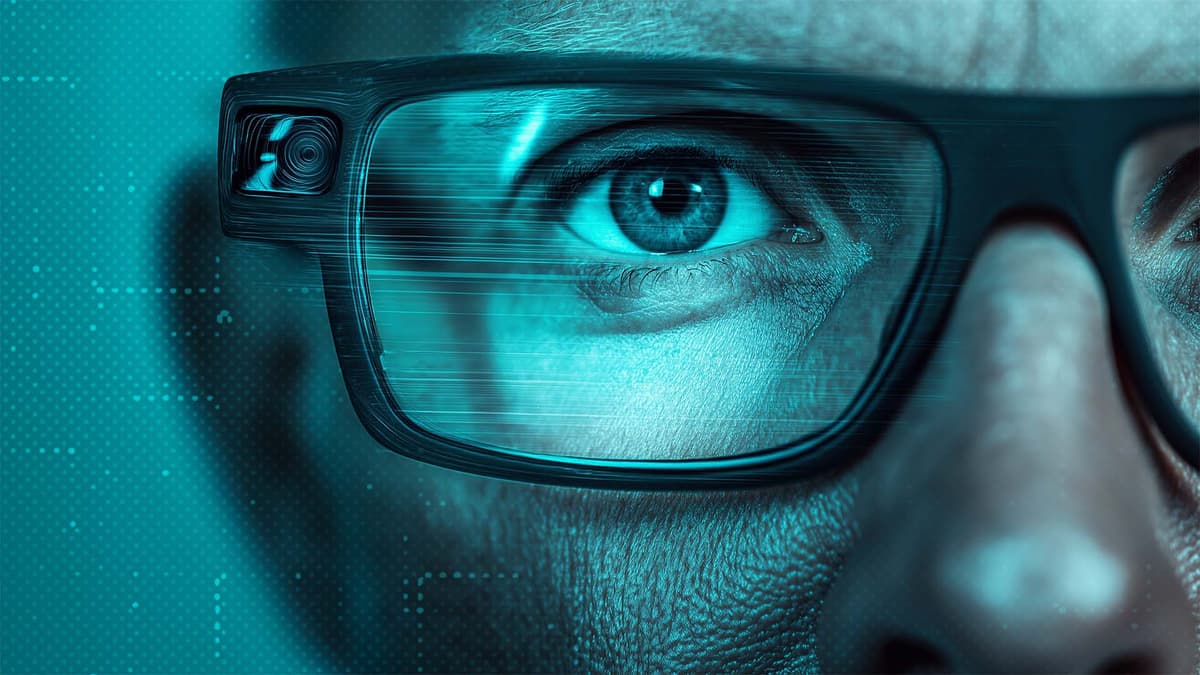
Eyes Wide Open: How to Mitigate the Security and Privacy Risks of Smart Glasses
Why It Matters
The technology blurs the line between convenience and invasive monitoring, exposing individuals and enterprises to identity theft, credential harvesting, and regulatory risk. Understanding and managing these threats is essential for safeguarding personal data and maintaining compliance in an increasingly AR‑driven market.
Key Takeaways
- •Smart glasses can record surreptitiously, bypassing visible LED indicators.
- •AI can link live video to facial‑recognition databases, exposing identities.
- •Outsourced workers may view sensitive recordings, raising data‑privacy concerns.
- •Unpatched firmware or rogue apps can hijack glasses for data theft.
- •MFA, VPNs, and regular audits reduce exposure for wearers and bystanders.
Pulse Analysis
The resurgence of smart glasses marks a shift from niche gadgets to mainstream wearables that blend augmented reality with conversational AI. Modern frames can capture high‑definition video, stream it to platforms like Instagram, and instantly query large language models for contextual insights. While this promises hands‑free productivity, it also creates a covert surveillance channel; facial‑recognition algorithms can match captured faces to public databases, turning casual bystanders into data points without consent.
Regulators and privacy advocates are already sounding alarms. Meta’s planned "Name Tag" feature, which would broadcast wearer identity, has drawn criticism for potentially enabling predators, while internal reports reveal that outsourced workers in Kenya have accessed sensitive recordings for AI training. Such practices expose companies to GDPR‑style penalties and erode consumer trust. The broader industry—Google, Apple, Amazon, and Chinese manufacturers—faces similar scrutiny as they prioritize rapid feature rollouts over robust privacy safeguards.
Mitigation hinges on a layered defense. Users should keep firmware current, install companion apps only from trusted stores, and enforce multi‑factor authentication on associated accounts. Deploying VPNs on public Wi‑Fi, disabling optional AI data‑training, and regularly purging stored media further limit exposure. For bystanders, vigilance for recording LEDs and challenging unauthorized wearers can curb opportunistic shoulder‑surfing. As smart glasses become ubiquitous, proactive security hygiene will be the differentiator between innovative adoption and a privacy nightmare.
Eyes wide open: How to mitigate the security and privacy risks of smart glasses
Comments
Want to join the conversation?
Loading comments...