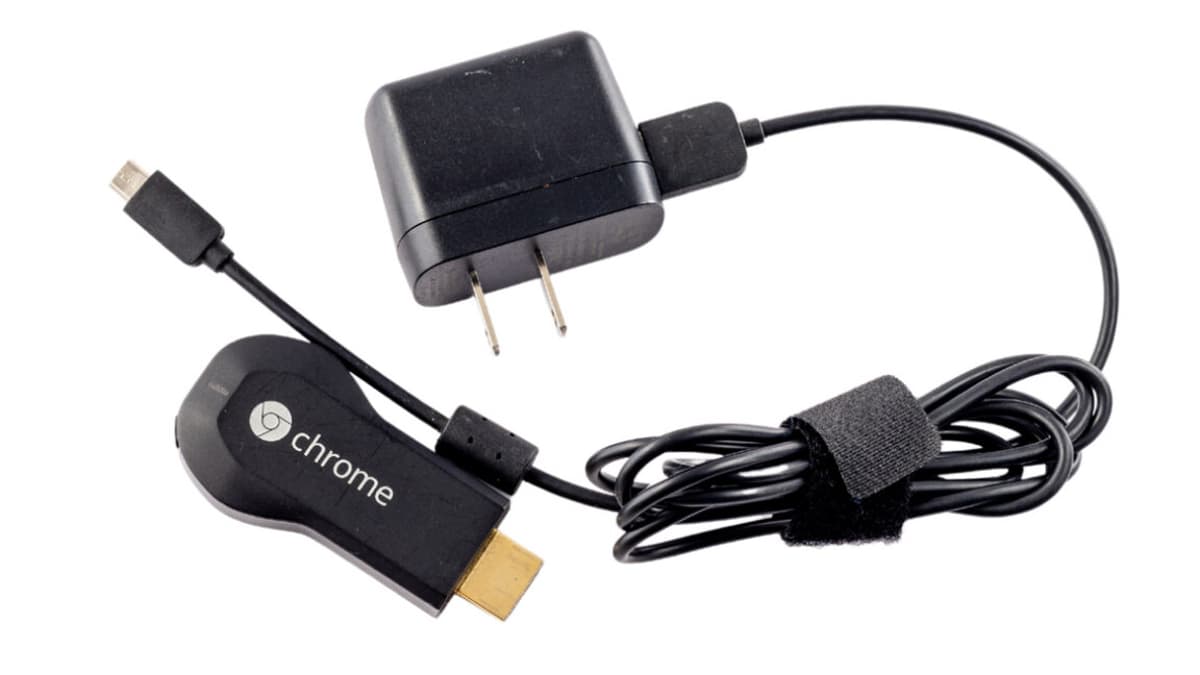
First-Generation Chromecast Users Stressed by Devices Suddenly Failing
Why It Matters
The outage highlights the risks of relying on legacy streaming hardware after official support ends, affecting consumer trust and prompting manufacturers to reconsider end‑of‑life strategies.
Key Takeaways
- •10 million first-gen Chromecasts sold by 2014
- •Users reported sudden failures after a decade of service
- •Google said devices were not intentionally bricked
- •Issue underscores challenges of supporting legacy streaming hardware
- •Consumers may face reliability concerns despite official end‑of‑life
Pulse Analysis
When Google introduced the original Chromecast in 2013, it disrupted the home entertainment market with a $35 plug‑and‑play device that let users stream content from phones or browsers directly to a TV. Its minimalist design—no remote, no on‑screen UI—appealed to consumers frustrated by the era’s “dumb” televisions, driving sales to 10 million units by 2014. The dongle’s success helped cement Google’s foothold in the streaming ecosystem, paving the way for subsequent generations and a broader portfolio of smart‑home products.
Fast‑forward a decade, and a wave of reports surfaced on Reddit, 9to5Google and Android Authority describing first‑generation Chromecasts that abruptly stopped casting from major apps. Users described the devices as suddenly unresponsive, sparking rumors that Google had remotely disabled the hardware to force upgrades. Senior product manager Sahana Mysore publicly refuted the bricking theory, emphasizing that the failures were unintentional and likely tied to aging components or firmware glitches. Google’s engineering team is now analyzing logs and rolling out patches, underscoring the company’s commitment to maintaining functionality for devices still in active use despite the product’s official end‑of‑life in 2023.
The incident raises broader questions about the lifecycle management of IoT and streaming devices. As manufacturers retire support, millions of legacy units remain in households, creating a hidden dependency on outdated firmware and hardware reliability. Unexpected failures can erode consumer confidence, prompting calls for clearer end‑of‑life policies, longer warranty windows, or modular upgrade paths. For the industry, balancing innovation cycles with responsible stewardship of existing devices will be crucial to sustaining trust in an increasingly connected home environment.
First-generation Chromecast users stressed by devices suddenly failing
Comments
Want to join the conversation?
Loading comments...