Flush With Cash From OpenAI, Opal Is Making an AI-Powered Audio Gadget
Why It Matters
The funding gives Opal the capital and AI partnership needed to diversify its product line, positioning it as a potential leader in the emerging market for consumer AI hardware. Success could prove that design‑first, modular AI devices can thrive where many previous attempts have failed.
Key Takeaways
- •Opal raised $40 M Series B led by OpenAI, valuing it at $275 M
- •Rebranding to Opal Electronics to expand beyond webcams into AI devices
- •AI‑powered audio gadget launching in 3‑4 months, tested by OpenAI
- •Opal plans two additional consumer products within the next year
Pulse Analysis
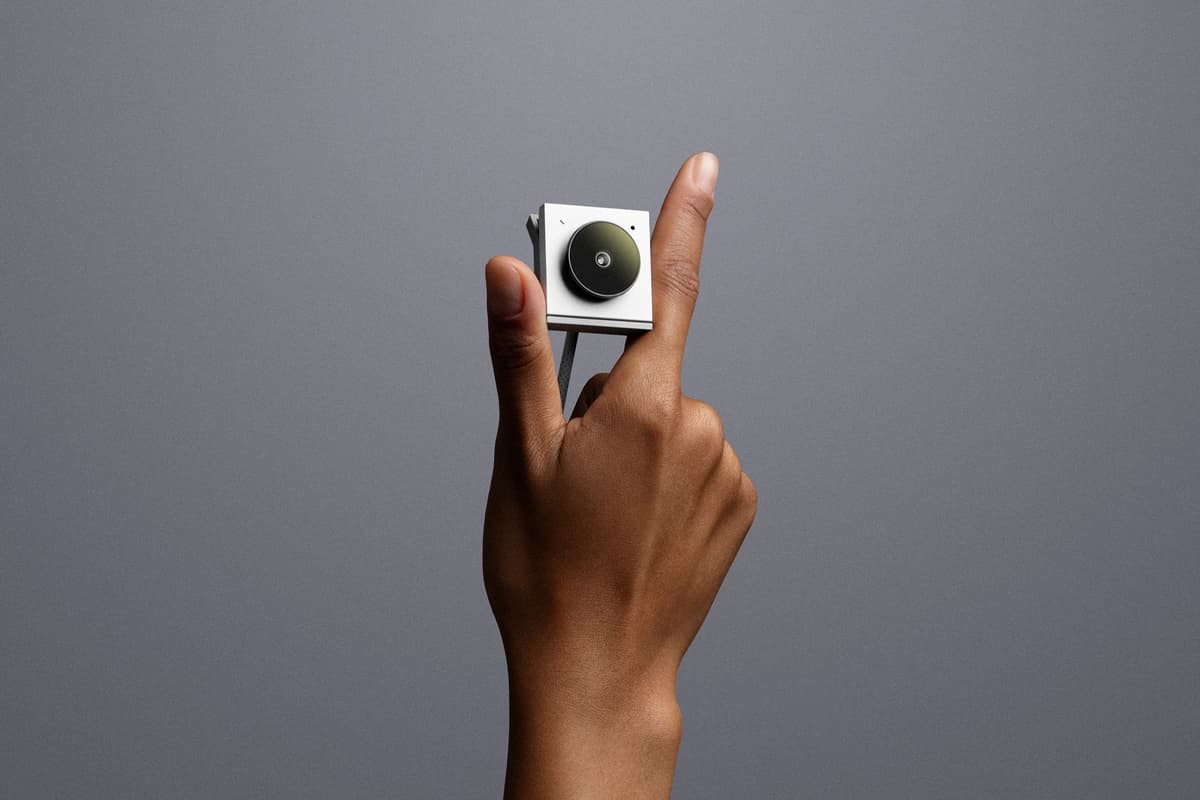
Opal Camera, a San Francisco startup famed for premium webcams, announced a strategic rebrand to Opal Electronics. The shift follows a $40 million Series B round led by OpenAI, which pushes the company's valuation to roughly $275 million. Backers also include Samsung, Peter Thiel, Seven Seven Six, and tech influencer Marques Brownlee. With a modest team and a track record of selling over 50,000 webcams, Opal is leveraging its design pedigree to move beyond imaging and enter the broader consumer‑electronics arena.
The flagship of Opal’s new portfolio is an AI‑powered audio device slated for release in the next three to four months. Early testers include Sam Altman, OpenAI researchers, and executives from xAI, Anthropic and Thinking Machines, suggesting the product will support multiple large‑language‑model back‑ends. While the exact form factor remains under wraps, the company says it will not compete directly with smartphones, positioning the gadget as a dedicated smart‑speaker‑like experience. Partnerships with leading AI labs give users the flexibility to switch models, a rarity in current consumer hardware.
Opal’s measured approach contrasts sharply with the string of failed AI‑hardware launches such as the Humane AI Pin and Rabbit R1, underscoring the market’s demand for practical, design‑first products. OpenAI’s position as the largest shareholder—without IP rights—allows Opal to remain agnostic, collaborating with any lab while still benefiting from OpenAI’s brand cachet. If the audio gadget gains traction, it could validate a new business model where niche hardware serves as a plug‑in platform for competing LLMs, potentially reshaping the consumer AI ecosystem ahead of OpenAI’s own rumored smart‑speaker slated for 2027.
Flush With Cash From OpenAI, Opal Is Making an AI-Powered Audio Gadget
Comments
Want to join the conversation?
Loading comments...