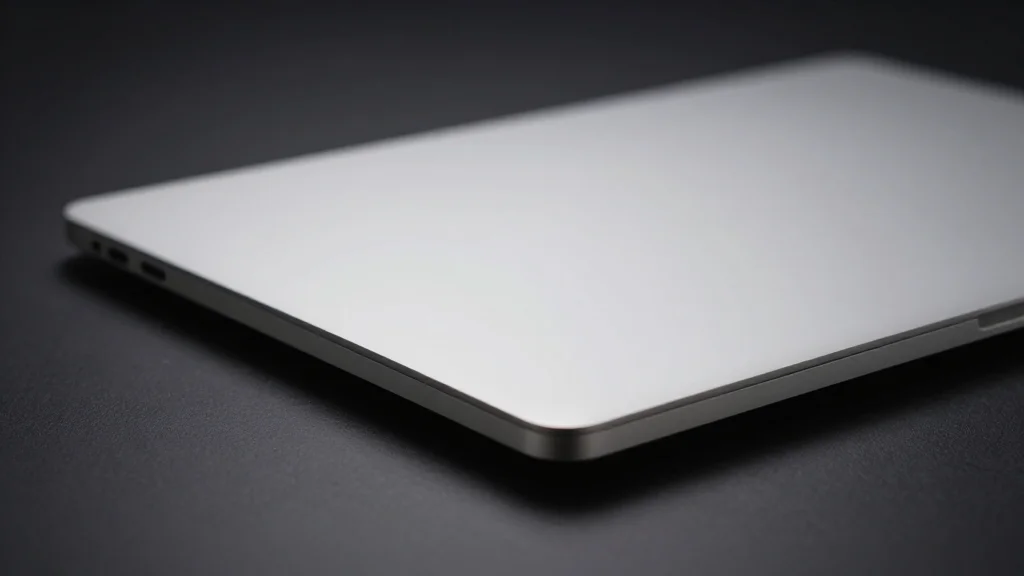
Framework Launches Laptop 13 Pro, a Modular Rival to the MacBook Pro at $1,199

Why It Matters
Framework’s Laptop 13 Pro demonstrates that high‑performance, premium‑look laptops can be built on a repairable, modular platform. By offering a price point that undercuts many flagship ultrabooks, the company challenges the notion that sustainability requires a trade‑off in performance or design. The launch also puts pressure on larger OEMs to address e‑waste concerns, as regulators and environmentally conscious consumers increasingly demand longer product lifespans. If Framework’s approach gains traction, it could reshape supply chains, encouraging component standardization and aftermarket ecosystems that support upgrades rather than full device replacement. This shift would have ripple effects across the consumer tech sector, from component manufacturers to retailers, and could accelerate the adoption of circular‑economy principles in personal computing.
Key Takeaways
- •Framework Laptop 13 Pro launches with prices from $1,199 (DIY) to $1,699 (Windows pre‑built).
- •Features a 74 Wh battery, 20‑hour 4K video playback claim, and 700‑nit 13.5‑inch 2,880 × 1,920 display.
- •First Framework laptop machined from 6000‑series aluminum and equipped with a haptic touchpad.
- •All components remain backward compatible; upgrade kits for older models start at $449.
- •Targeted at developers and Linux users, the 13 Pro aims to combine premium specs with repairability.
Pulse Analysis
Framework’s entry into the premium ultrabook segment marks a strategic pivot from niche DIY enthusiasts to mainstream power users. By marrying a high‑end Intel Core Ultra “Panther Lake” platform with a fully modular chassis, the company is betting that the market will reward longevity over disposability. Historically, modular laptops have struggled to achieve the thin‑and‑light form factor that Apple and Dell have mastered; the 13 Pro’s three‑pound weight and aluminum build suggest that Framework has finally cracked that engineering barrier.
The pricing strategy is equally bold. At $1,199, the DIY kit undercuts the base price of many flagship Windows ultrabooks while still offering a 74 Wh battery—an area where competitors have traditionally lagged. This could force incumbents like Dell’s XPS line and HP’s Spectre series to either lower prices or introduce more serviceable designs. Moreover, the decision to ship both Linux‑preloaded and Windows‑preloaded configurations signals a recognition that software ecosystems are a decisive factor for developers, a segment that has historically gravitated toward Apple’s macOS.
Looking forward, the real test will be how quickly the supply chain can scale the new aluminum chassis and LPCAMM2 memory modules. If Framework can maintain its promise of cross‑generation compatibility while meeting demand, it could establish a new standard for sustainable premium laptops. Conversely, any bottleneck in component availability or a price creep above $2,000 for fully specced models could erode its competitive edge. The next six months—shipping the first units, monitoring return rates, and gauging enterprise adoption—will determine whether the 13 Pro is a niche success or a catalyst for industry‑wide change.
Framework launches Laptop 13 Pro, a modular rival to the MacBook Pro at $1,199
Comments
Want to join the conversation?
Loading comments...