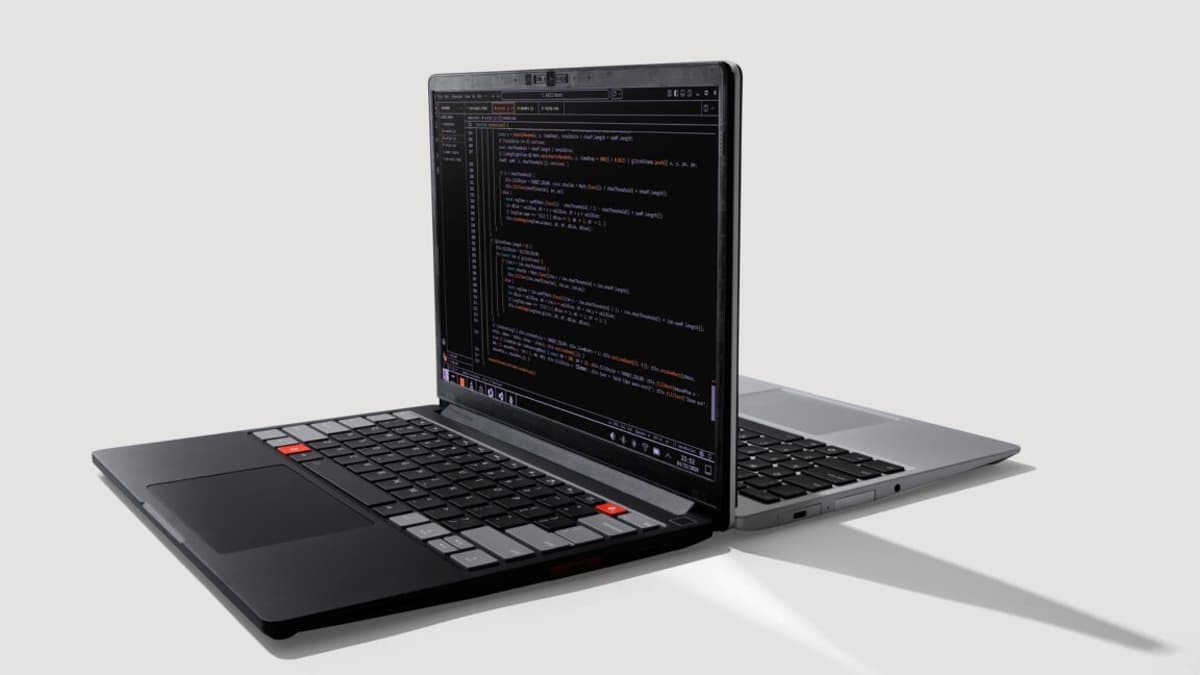
Framework's CEO on the RAM Crisis and Creating a "MacBook Pro for Linux Users"
Companies Mentioned

Why It Matters
By marrying high‑end, repairable hardware with first‑class Linux support, Framework aims to capture a niche of developers and power users dissatisfied with Windows or locked‑in Apple ecosystems. Its supply‑chain tactics demonstrate how small manufacturers can stay resilient amid global component shortages.
Key Takeaways
- •Framework Laptop 13 Pro ships Ubuntu‑certified, first pre‑built Linux option
- •Core Ultra 3 motherboard fits existing 13 chassis, boosts performance
- •RAM shortage managed via direct Micron allocations, monthly price updates
- •Haptic trackpad mimics MacBook Pro feel, courting former Mac users
- •Linux users now outnumber Windows on Framework 13, 55%‑45%
Pulse Analysis
Framework’s latest Laptop 13 Pro marks a strategic pivot toward a Linux‑first experience, a move that could reshape the niche premium‑laptop market. By securing official Ubuntu certification, the company offers a ready‑to‑run Linux environment that eliminates the typical hassles of driver compatibility and firmware tweaks. This differentiates Framework from mainstream Windows‑only laptops and from Apple’s closed macOS ecosystem, appealing to developers, engineers, and hobbyists who value open‑source flexibility without sacrificing build quality. The addition of Intel’s Core Ultra 3 processor and a drop‑in motherboard also ensures that performance keeps pace with competitors, reinforcing the "MacBook Pro for Linux" narrative.
Supply‑chain volatility has plagued the entire PC industry, but Framework leverages its five‑year history to negotiate direct allocations from memory manufacturers like Micron. Rather than absorbing cost spikes, the company adopts a transparent, data‑driven pricing model that updates component prices monthly based on weighted averages of inventory costs. This approach balances financial sustainability with customer trust, as buyers receive clear explanations for any price adjustments. By maintaining a modular design, Framework can quickly swap out scarce parts, further insulating the business from prolonged shortages.
The broader implication is a validation of sustainable, upgradeable hardware as a viable commercial model. As more professionals seek devices that combine Apple‑level ergonomics—evidenced by the new haptic trackpad—with the repairability and longevity of modular laptops, Framework could attract enterprise interest for secure, customizable workstations. Continued focus on Linux compatibility also aligns with growing corporate adoption of open‑source stacks, positioning Framework as a potential supplier for organizations prioritizing security, transparency, and cost‑effective hardware refresh cycles.
Framework's CEO on the RAM crisis and creating a "MacBook Pro for Linux users"
Comments
Want to join the conversation?
Loading comments...