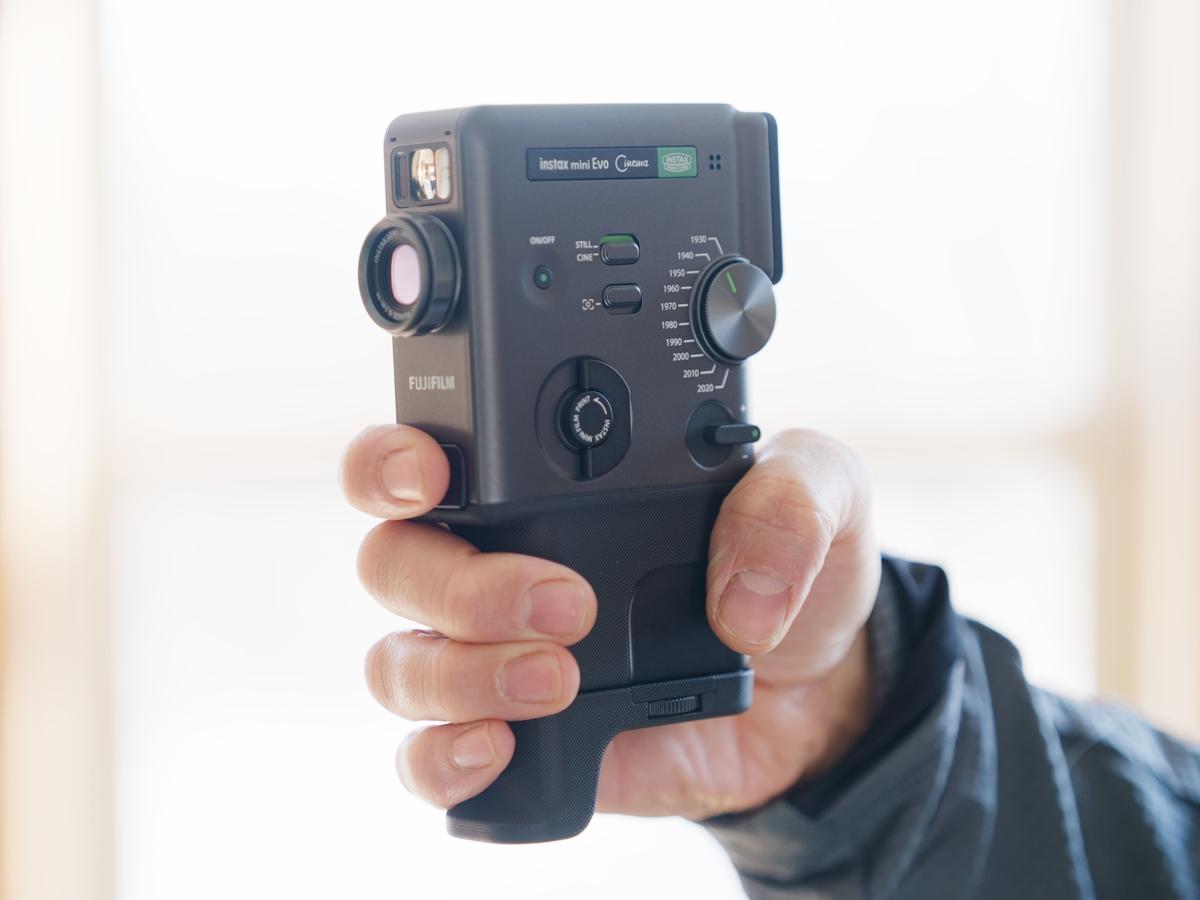
Fujifilm Instax Evo Cinema Review: Retro Video Fun
•March 11, 2026
0
Why It Matters
The Evo Cinema marks Fujifilm’s push to merge instant printing with social‑media video, testing consumer appetite for nostalgic yet shareable content. Its success or failure will influence future hybrid instant‑camera strategies across the market.
Key Takeaways
- •Retro cine design with decade‑specific video effects
- •15‑second clips, 1080×1440 high‑quality mode
- •MicroSD required for practical image export
- •Battery drains quickly with mixed photo/video use
- •Higher price than competing retro‑style instant cameras
Pulse Analysis
Fujifilm’s latest Instax offering, the Mini Evo Cinema, taps into the growing nostalgia wave that has reshaped consumer electronics. By marrying a vintage Single‑8 look with digital video, the camera targets a niche of social‑media creators who value tactile experiences and instant prints. The Decades dial, which overlays period‑accurate color grading and grain, differentiates the Evo Cinema from standard instant cameras and aligns with the broader trend of retro‑themed content that dominates platforms like TikTok and Instagram.
Technically, the Evo Cinema is modest: a 5‑megapixel, 1/5‑inch sensor captures stills at 1920×2560 pixels, while video tops out at 1080×1440 in high‑quality mode, both far below professional standards. The device’s reliance on a microSD card for efficient data transfer and its limited battery endurance—often exhausted after an hour of mixed shooting—highlight the trade‑off between novelty and practicality. Nonetheless, the QR‑code linking printed frames to full‑length videos offers a clever bridge between physical and digital media, encouraging users to share content beyond the instant print.
From a market perspective, the Evo Cinema’s premium price positions it as a lifestyle gadget rather than a mass‑market tool. Competing products like the Camp Snap CS‑8 provide larger sensors and longer recording times at a lower cost, suggesting that Fujifilm’s gamble hinges on brand loyalty and the allure of its cinematic aesthetic. If consumers prioritize unique, shareable experiences over image fidelity, the Evo Cinema could spark a new sub‑segment within the instant‑camera space, prompting rivals to explore similar hybrid video‑print solutions.
Fujifilm Instax Evo Cinema Review: Retro Video Fun
0
Comments
Want to join the conversation?
Loading comments...