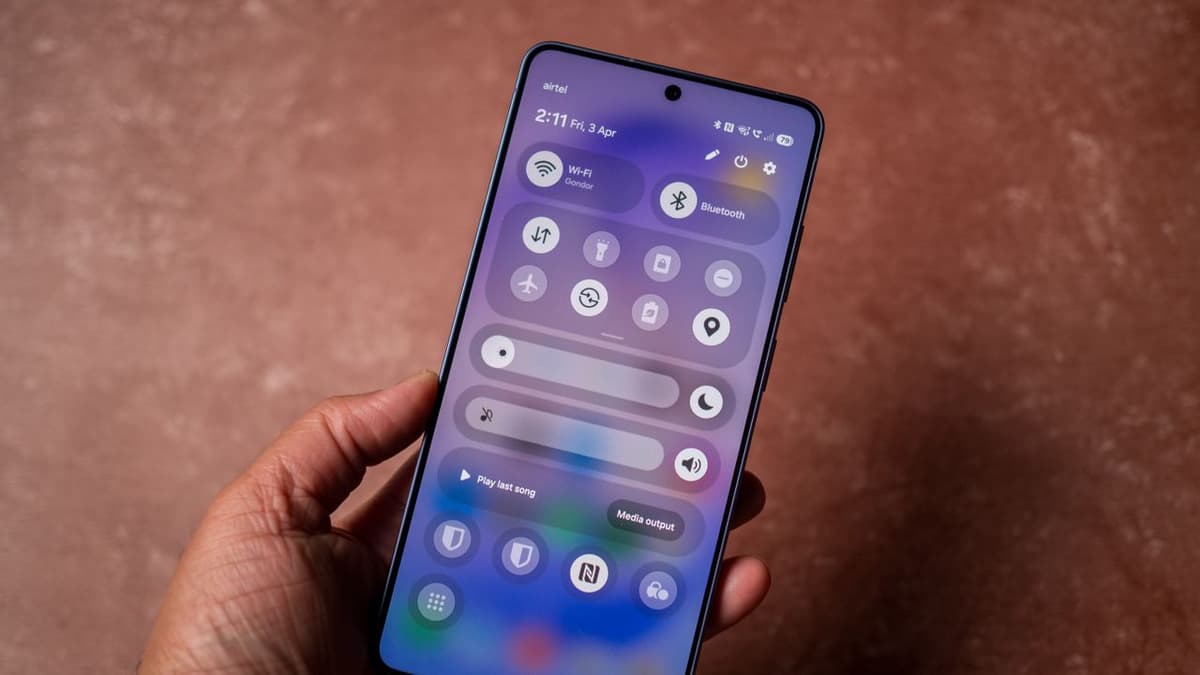
Galaxy Phones Are Finally Getting a Feature Android Users Have Wanted for Years
Companies Mentioned
Why It Matters
A built‑in speed indicator improves user diagnostics and reduces reliance on external tools, reinforcing Samsung’s commitment to user‑requested features and potentially boosting brand loyalty.
Key Takeaways
- •One UI 9 embeds network speed meter in status bar
- •Indicator accessible through Good Lock’s QuickStar module
- •Shows upload/download rates in KB/s, MB/s, GB/s
- •Beta on Galaxy S26 in US, UK, Germany, India, Poland, Korea
- •Samsung will roll out to older flagships in coming months
Pulse Analysis
The demand for on‑screen network speed meters has long been a staple of Android power users, especially those who need instant feedback on bandwidth for streaming, gaming, or remote work. Samsung’s Good Lock suite, known for deep customization, finally leverages that appetite by integrating a real‑time speed readout into the status bar via the QuickStar module. This move not only streamlines the user experience—removing the need for third‑party utilities or risky root procedures—but also showcases Samsung’s willingness to adopt features that have become standard on many Chinese OEMs.
From a technical standpoint, the new indicator toggles between kilobytes, megabytes, and gigabytes per second, automatically scaling to the current traffic load. By placing the readout alongside existing signal icons, Samsung gives users a quick diagnostic tool to differentiate between network congestion and device‑side performance issues. The beta rollout targets the Galaxy S26 lineup across the United States, United Kingdom, Germany, India, Poland, and South Korea, a strategic selection that covers both mature and emerging markets. Early adopters can enable the feature through Good Lock, signaling Samsung’s approach of rewarding its enthusiast community while preparing for broader distribution to legacy flagships.
Strategically, this addition reflects Samsung’s broader software evolution under One UI 9, where incremental quality‑of‑life upgrades aim to close the gap with rival Android manufacturers. By addressing a long‑standing user request, Samsung not only strengthens its ecosystem appeal but also positions itself as a more responsive competitor to Google’s Pixel line and other OEMs that have offered native speed meters for years. As the feature rolls out, it may set a precedent for further native diagnostics—such as battery health or data‑usage analytics—enhancing the overall value proposition of Samsung’s flagship devices.
Galaxy phones are finally getting a feature Android users have wanted for years
Comments
Want to join the conversation?
Loading comments...