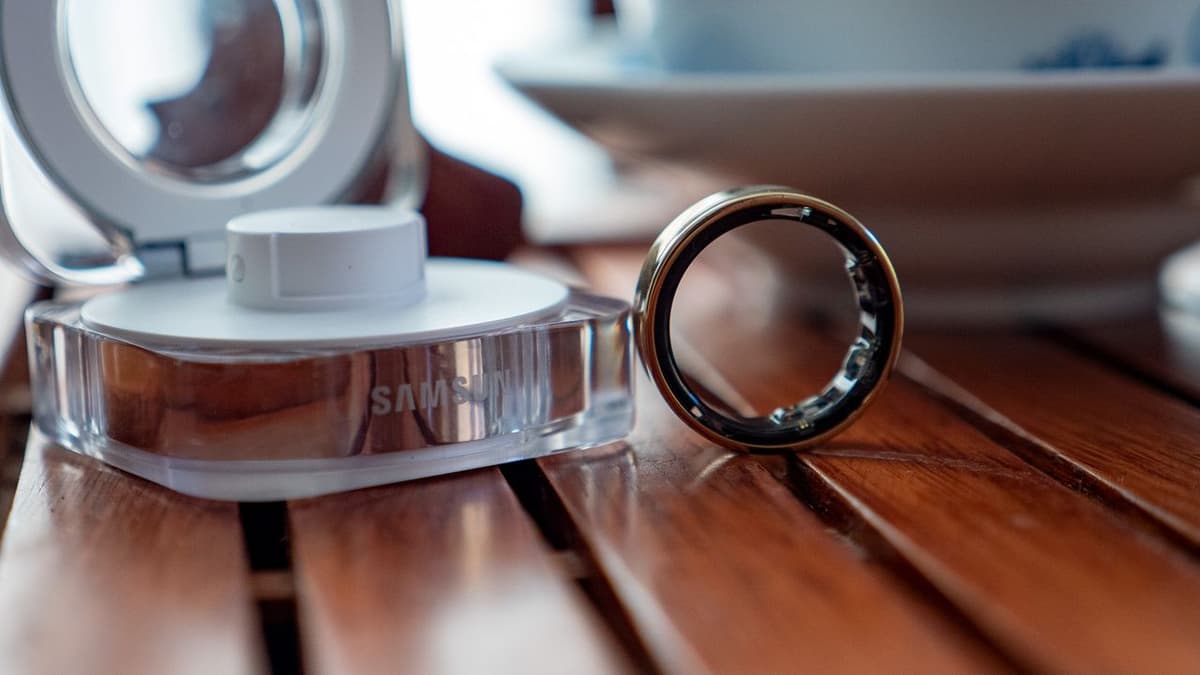
Galaxy Ring 2 Rumors Say No to 2026, Point Us Toward 'an Early' 2027 Reveal
Why It Matters
Postponing the Galaxy Ring 2 gives Samsung time to refine health sensors and battery tech, potentially setting a new benchmark for wearable health monitoring and influencing the broader smart‑ring market.
Key Takeaways
- •Launch likely shifted to early 2027 Galaxy Unpacked.
- •Focus on sleep accuracy, temperature, and comfort improvements.
- •“Dream battery” could raise energy density to 360 Wh/L.
- •Non‑invasive blood‑glucose monitoring under active development.
- •Expanded cardiovascular insights may differentiate Ring 2 from competitors.
Pulse Analysis
Smart rings have lingered on the periphery of the wearable market, offering a minimalist alternative to bulkier smartwatches. Samsung entered this niche with the original Galaxy Ring, but limited battery life and modest health metrics kept it from gaining traction. The latest rumors suggest the company is willing to delay the sequel, Galaxy Ring 2, until early 2027 to address those shortcomings. By aligning the launch with its flagship Galaxy Unpacked event, Samsung hopes to generate the same media buzz that propels its smartphones and watches, positioning the Ring as a premium health device rather than a novelty.
The most compelling upgrades revolve around sensor fidelity and power management. Samsung is reportedly overhauling temperature and sleep‑tracking modules to deliver clinically relevant data, a move that could bring the Ring into the realm of medical‑grade wearables. Equally significant is the pursuit of a solid‑state “dream battery,” which promises to lift energy density from roughly 200 to 360 Wh per liter, translating into longer daily wear without compromising the ring’s slim profile. Early indications also point to non‑invasive blood‑glucose monitoring—a feature that, if realized, would set a new standard for continuous health tracking.
If Samsung succeeds, the Galaxy Ring 2 could reshape consumer expectations for discreet health tech and force competitors such as Oura, Motiv, and Apple to accelerate their own research pipelines. A 2027 debut gives Samsung a runway to iron out manufacturing challenges and secure regulatory clearances for advanced biometrics. Investors will watch the rollout closely, as a successful smart ring could open a recurring revenue stream through health‑data services and accessories. Conversely, a missed deadline or under‑delivered features could reinforce skepticism about the viability of rings as mainstream wearables.
Galaxy Ring 2 rumors say no to 2026, point us toward 'an early' 2027 reveal
Comments
Want to join the conversation?
Loading comments...