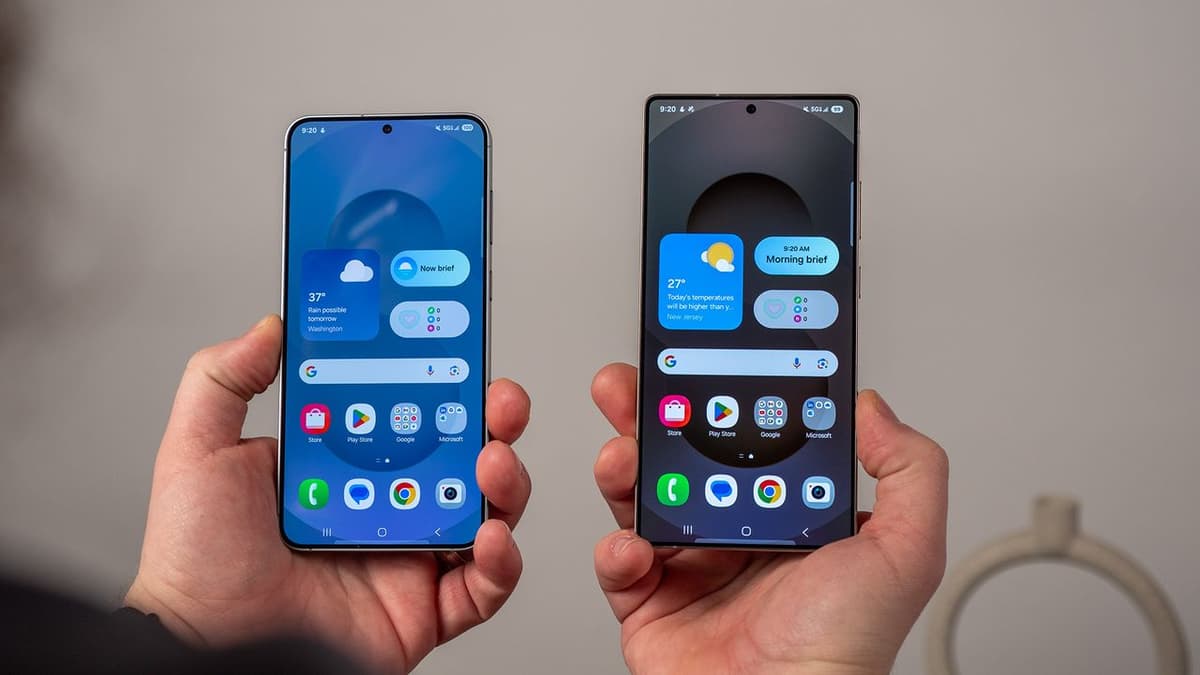
Galaxy S26 Ultra's 'Privacy Display' Is so Cool, Rumors Say Other Brands Could Give It a Try
•February 24, 2026
0
Why It Matters
Privacy Display sets a new baseline for visual data protection, pressuring competitors to match or exceed Samsung's privacy standards. Its adoption could drive a wave of hardware‑based privacy solutions across the smartphone market.
Key Takeaways
- •Samsung teases Privacy Display on Galaxy S26 Ultra.
- •Chinese tipster says other OEMs may adopt similar feature.
- •Feature dims screen sides, blocking side‑view snooping.
- •Potential September rollout on rival flagship phones.
- •Privacy Display could become industry privacy benchmark.
Pulse Analysis
Samsung's Privacy Display leverages a specialized panel coating that selectively reduces brightness at oblique angles, making on‑screen content unreadable from the side. Unlike software filters, this hardware approach ensures consistent protection without draining battery or affecting primary viewing experience. By showcasing the feature in a concise teaser—eyes unable to see the screen—Samsung signals a commitment to user privacy that aligns with increasing regulatory scrutiny and consumer expectations for data security.
The rumor mill, fueled by a Chinese tipster on Weibo, suggests that rival manufacturers are already prototyping comparable solutions for September flagship releases. Historically, the industry has quickly iterated on standout features—Apple's Dynamic Island inspiring similar UI elements across Android, for example. If competitors roll out their own privacy displays, it could spark a rapid arms race in screen technology, pushing suppliers to develop new polarizing layers or micro‑shutter mechanisms. Such competition may also lower component costs, making privacy‑focused screens accessible to mid‑range devices sooner than anticipated.
Beyond the immediate product battle, Privacy Display reflects a broader shift toward hardware‑centric privacy controls. As users become more aware of shoulder‑surfing risks in crowded environments, manufacturers that embed protection at the silicon level gain a distinct market advantage. This trend could extend to laptops, tablets, and even automotive displays, where side‑view privacy is equally critical. Ultimately, Samsung's move may not only elevate its flagship appeal but also catalyze industry‑wide standards that prioritize visual confidentiality as a core user experience.
Galaxy S26 Ultra's 'Privacy Display' is so cool, rumors say other brands could give it a try
0
Comments
Want to join the conversation?
Loading comments...