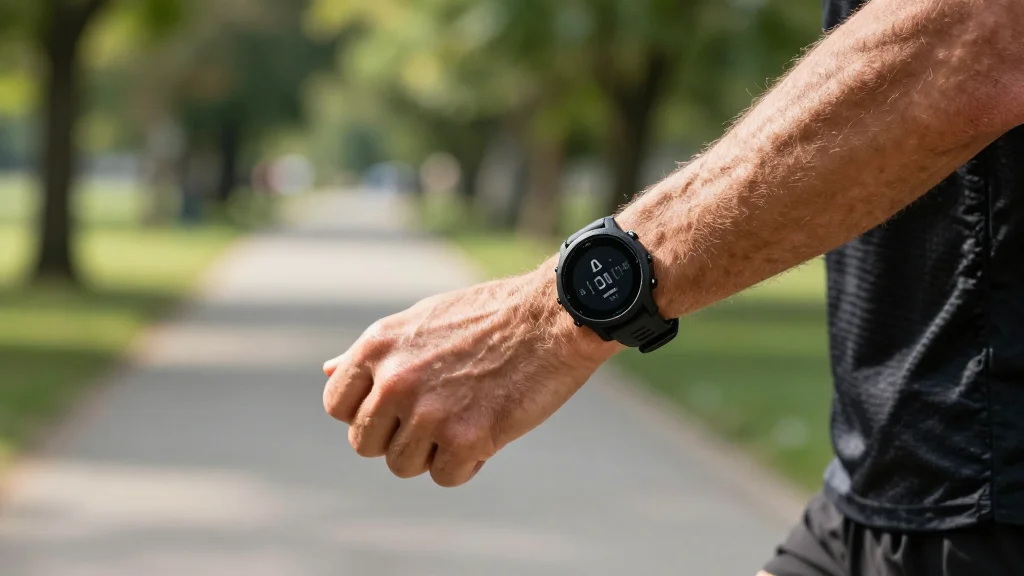
Garmin Launches Forerunner 70 and Forerunner 170 Smartwatches, Expanding Mid‑Range Running Market

Companies Mentioned

Why It Matters
The Forerunner 70 and 170 signal Garmin’s intent to capture a broader slice of the consumer smartwatch market without cannibalizing its high‑end offerings. By delivering premium features—AMOLED displays, contactless payments, and music storage—at a sub‑$350 price, Garmin challenges the perception that advanced fitness functions are exclusive to flagship devices. This could accelerate adoption among casual runners, expanding the overall addressable market for wearable health tech. If the models achieve strong sales, Garmin may pressure competitors to lower entry‑level prices or add similar features, potentially compressing margins across the segment. The launch also reinforces Garmin’s strategy of layering functionality across price tiers, a model that could be replicated in other product categories such as cycling computers and outdoor GPS devices.
Key Takeaways
- •Garmin launched Forerunner 70 ($249.99) and Forerunner 170 ($299.99) on May 12, 2026.
- •Both watches feature 1.2‑inch AMOLED displays and a five‑button interface.
- •Forerunner 170 adds Garmin Pay contactless payments and optional music storage.
- •Battery life reaches up to 13 days for the 70 and 10 days for the 170 in smartwatch mode.
- •Launch targets mid‑range market, competing with Apple Watch SE, Fitbit Versa 4, and Samsung Galaxy Watch 5.
Pulse Analysis
Garmin’s decision to introduce two mid‑range running watches reflects a broader industry shift toward democratizing advanced health features. Historically, Garmin’s Forerunner line has been segmented: entry‑level models offered basic GPS, while premium units bundled sophisticated training analytics and music. By collapsing that divide, Garmin not only widens its consumer base but also creates a more fluid upgrade path that can retain users as they progress from casual jogging to serious training.
The inclusion of Garmin Pay and music storage at a $300 price point is particularly noteworthy. These capabilities have been differentiators for Apple and Samsung, whose ecosystems leverage seamless payment and media integration. Garmin’s approach—offering these features as optional add‑ons (e.g., the 170 Music variant)—allows price‑sensitive buyers to opt‑in, potentially increasing average revenue per user without alienating cost‑conscious shoppers.
From a competitive standpoint, the launch could force rivals to reassess their value propositions. Apple’s SE model, for instance, already includes a modestly priced entry point but lacks the dedicated running metrics that Garmin’s brand is known for. If Garmin can deliver comparable accuracy and battery endurance, it may erode Apple’s foothold among serious runners. Moreover, the timing aligns with the upcoming summer running season in the Northern Hemisphere, positioning Garmin to capture seasonal demand.
Looking ahead, the success of the Forerunner 70 and 170 will hinge on software support and ecosystem integration. Garmin’s ability to push regular firmware updates, expand third‑party app compatibility, and maintain accurate GPS performance will determine whether these devices become a mainstay or a fleeting entry in the crowded smartwatch market. Should the models exceed expectations, Garmin may accelerate the rollout of similar feature sets across its broader product line, reinforcing its reputation as a versatile, performance‑focused wearable maker.
Garmin Launches Forerunner 70 and Forerunner 170 Smartwatches, Expanding Mid‑Range Running Market
Comments
Want to join the conversation?
Loading comments...