Get Ready for More Brain-Scanning Consumer Gadgets
Why It Matters
By opening its tech to OEMs, Neurable could accelerate mainstream adoption of consumer BCIs, creating new revenue streams and reshaping performance‑tracking in gaming, education, and health sectors.
Key Takeaways
- •Neurable adopts licensing platform, expanding beyond its own headphones.
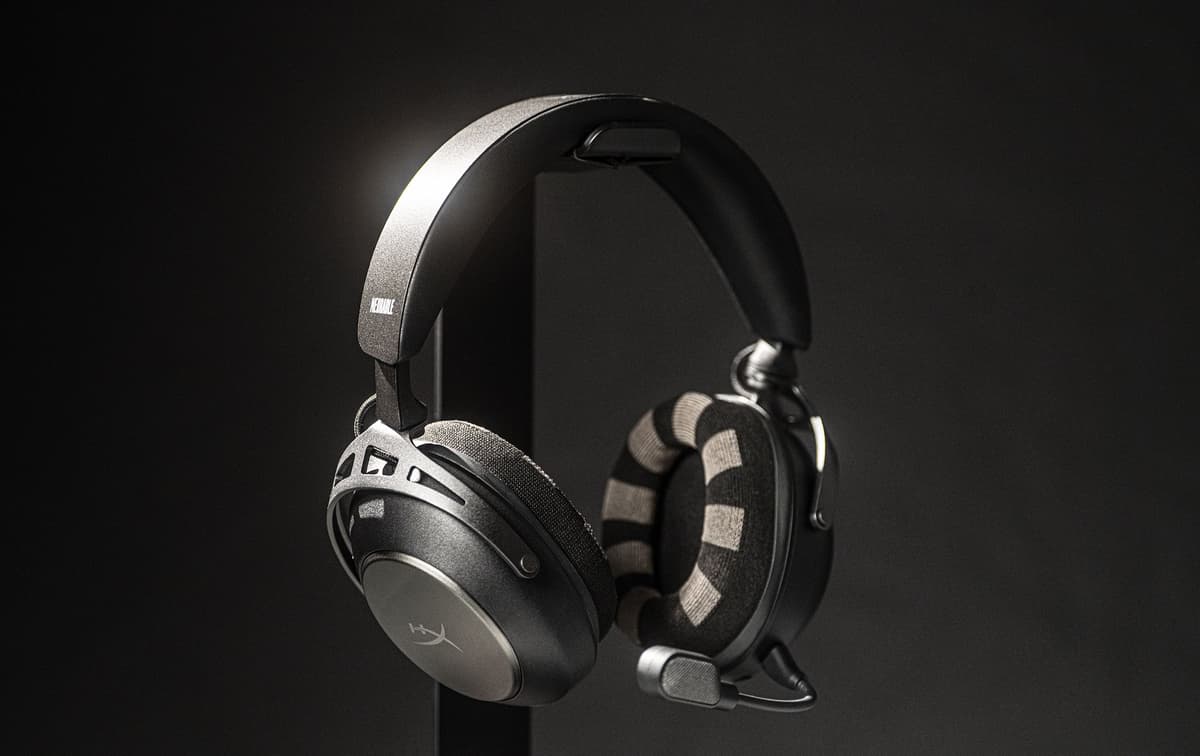
- •HyperX headset integrates EEG for real‑time focus monitoring in gamers.
- •Data stays on Neurable servers, with partner‑controlled front‑end.
- •Industry sees potential for productivity, anxiety reduction, and athletic performance.
- •More BCI partnerships expected in 2026, with rollout continuing into 2027.
Pulse Analysis
The brain‑computer interface market has been dominated by a handful of specialist firms, but Neurable’s shift to a licensing model could democratize the technology. By certifying third‑party hardware, the Boston‑based startup removes the need for partners to develop their own EEG sensors, accelerating time‑to‑market for products ranging from headphones to smart glasses. This approach mirrors how Fitbit’s open‑ecosystem spurred a wave of wrist‑worn health trackers, turning a niche capability into a consumer staple.
The first tangible outcome is HyperX’s upcoming gaming headset, which embeds Neurable’s EEG sensors to monitor focus, stress, and cognitive readiness in real time. Early white‑paper data suggests gamers experience reduced reaction times and modest accuracy gains—critical edges in a sport where milliseconds matter. Beyond esports, the same metrics could help students manage pre‑exam anxiety or athletes fine‑tune nervous system arousal before competition. Neurable’s architecture keeps raw brain data on its secure servers, while partners control the user‑facing software, a design intended to assuage privacy concerns that have plagued earlier BCI attempts.
Industry analysts see this licensing wave as a catalyst for broader BCI integration across daily life. With Apple filing EEG‑sensing AirPod patents and startups like Elemind and Sabi targeting sleep and text conversion, the ecosystem is primed for convergence. As more brands launch “Powered by Neurable AI” devices, consumer familiarity will grow, potentially normalizing brain‑scanning wearables much like heart‑rate monitors became ubiquitous. The coming years will test whether the technology delivers measurable benefits without compromising privacy, but the momentum suggests a rapid shift toward head‑based biofeedback in both work and play.
Get Ready for More Brain-Scanning Consumer Gadgets
Comments
Want to join the conversation?
Loading comments...