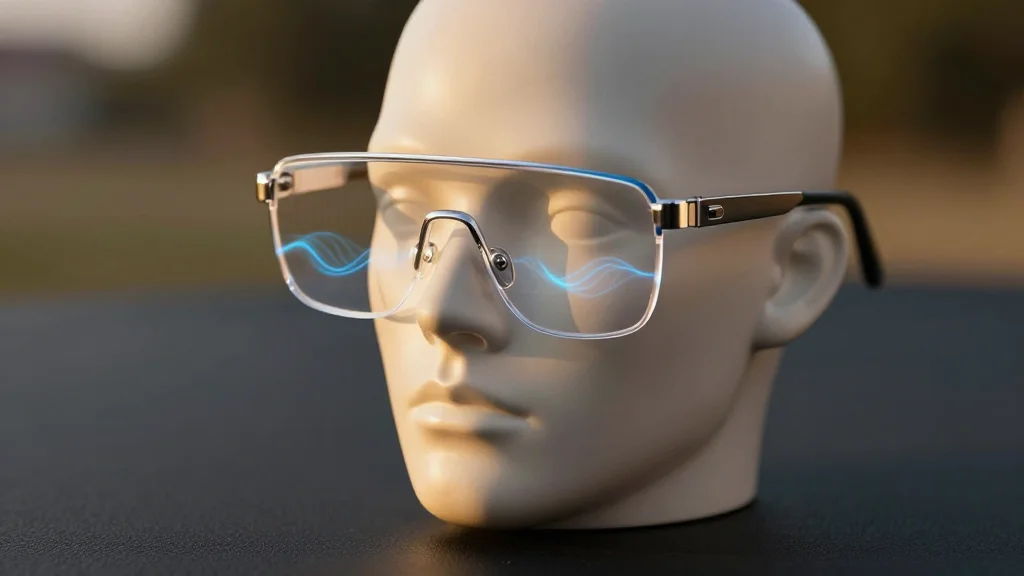
Google and Samsung’s Android XR Glasses Will Have Multiple ‘Disruptive’ and ‘Timeless’ Styles
Why It Matters
The launch marks a decisive step toward mainstream AR wearables, leveraging AI and high‑fashion design to attract consumers beyond early adopters. Its deep integration with Android XR could lock users into Google‑Samsung services, reshaping the competitive landscape.
Key Takeaways
- •Android XR glasses debut from Google‑Samsung partnership
- •Two design lines: Gentle Monster and Warby Parker
- •Gemini AI powers voice‑controlled navigation and translation
- •Fall 2026 release slated, details pending
- •Seamless integration with Galaxy ecosystem promised
Pulse Analysis
The augmented‑reality wearables market has long been a testing ground for tech giants, from Google Glass to Meta’s Quest line and Apple’s rumored headset. While early devices struggled with bulk, limited apps, and consumer skepticism, the convergence of powerful generative AI and mature mobile ecosystems now offers a credible path to mass adoption. Samsung’s entry, backed by Google’s Android XR platform, arrives at a moment when enterprises and developers are eager for standardized AR toolkits, potentially accelerating app development and enterprise use cases.
Android XR, Google’s open‑source framework for mixed reality, provides a unified base for hardware manufacturers, allowing developers to write once and deploy across multiple headsets. By embedding Gemini, the joint glasses can interpret natural language, deliver contextual suggestions, and perform real‑time translation without leaving the field of view. The collaboration with Gentle Monster and Warby Parker adds a fashion‑forward dimension, addressing the long‑standing criticism that smart glasses look overly utilitarian. This blend of AI capability and style aims to position the product as a daily accessory rather than a niche gadget.
For Samsung, the glasses deepen the Galaxy ecosystem, promising seamless hand‑off between phone, tablet, and wearables. If the Fall 2026 rollout delivers a compelling price‑point and reliable display, it could spur a wave of third‑party accessories and services built on Android XR, pressuring rivals like Apple and Meta to accelerate their own offerings. However, success will hinge on battery life, privacy safeguards, and the ability to deliver truly useful, context‑aware experiences that justify wearing a screen on the face. The coming months, especially the Fold 8 launch, will reveal whether the partnership can translate hype into sustained market traction.
Google and Samsung’s Android XR glasses will have multiple ‘disruptive’ and ‘timeless’ styles
Comments
Want to join the conversation?
Loading comments...