Google Details Wear OS Widgets that Replace Tiles, Shows Off First Apps with Support
Companies Mentioned
Why It Matters
The shift unifies the widget experience across Android phones and wearables, lowering development friction and expanding the app ecosystem for competing smartwatch platforms.
Key Takeaways
- •Wear Widgets replace full-screen tiles on Wear OS
- •Two widget sizes: 2×2 and 2×1, mirroring Android widgets
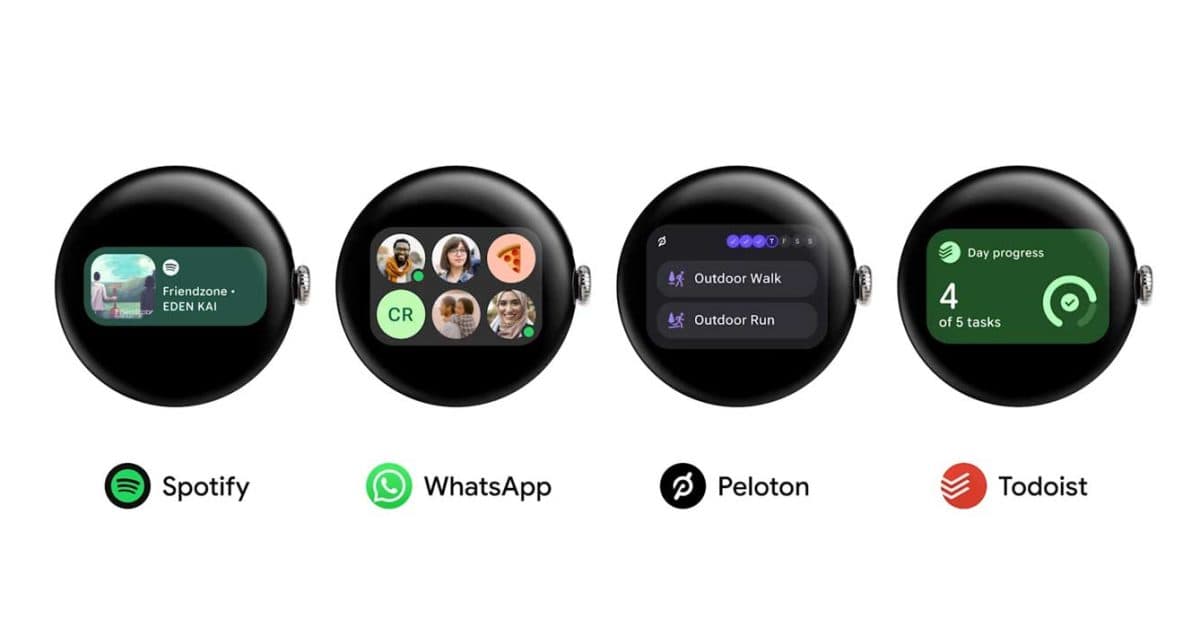
- •Spotify, WhatsApp, Peloton, Todoist already support Wear Widgets
- •Galaxy Watch 8 can use widgets within its tile stack
Pulse Analysis
Google’s introduction of Wear Widgets marks a strategic move to harmonize the smartwatch experience with the broader Android ecosystem. By adopting the same widget framework used on phones, developers can create a single UI component that scales from a smartphone home screen to a wrist‑worn display. The two offered dimensions—2×2 for richer content and 2×1 for quick glances—provide enough flexibility for most use cases while keeping the design language consistent across devices.
For developers, the transition reduces the overhead of maintaining separate codebases for tiles and widgets. Third‑party apps like Spotify, WhatsApp, Peloton and Todoist have already re‑engineered their interfaces, signaling early confidence in the platform. Samsung’s Galaxy Watch 8 series, which runs Wear OS 6 with One UI Watch 8, can now incorporate these widgets into its existing tile‑stack architecture, blurring the line between Google’s and Samsung’s software layers. This cross‑compatibility is likely to accelerate app adoption on non‑Pixel wearables, expanding Google’s reach in a market traditionally dominated by Apple.
Looking ahead to Wear OS 7, Google is expected to broaden widget capabilities, potentially adding fluid resizing and interactive elements. Such enhancements could position Wear OS as a more compelling alternative to Apple Watch’s complications, especially as consumers demand richer, glanceable information on their wrists. The move also underscores Google’s commitment to a unified Android experience, which may attract new hardware partners and drive higher engagement across its wearable portfolio.
Google details Wear OS widgets that replace Tiles, shows off first apps with support
Comments
Want to join the conversation?
Loading comments...