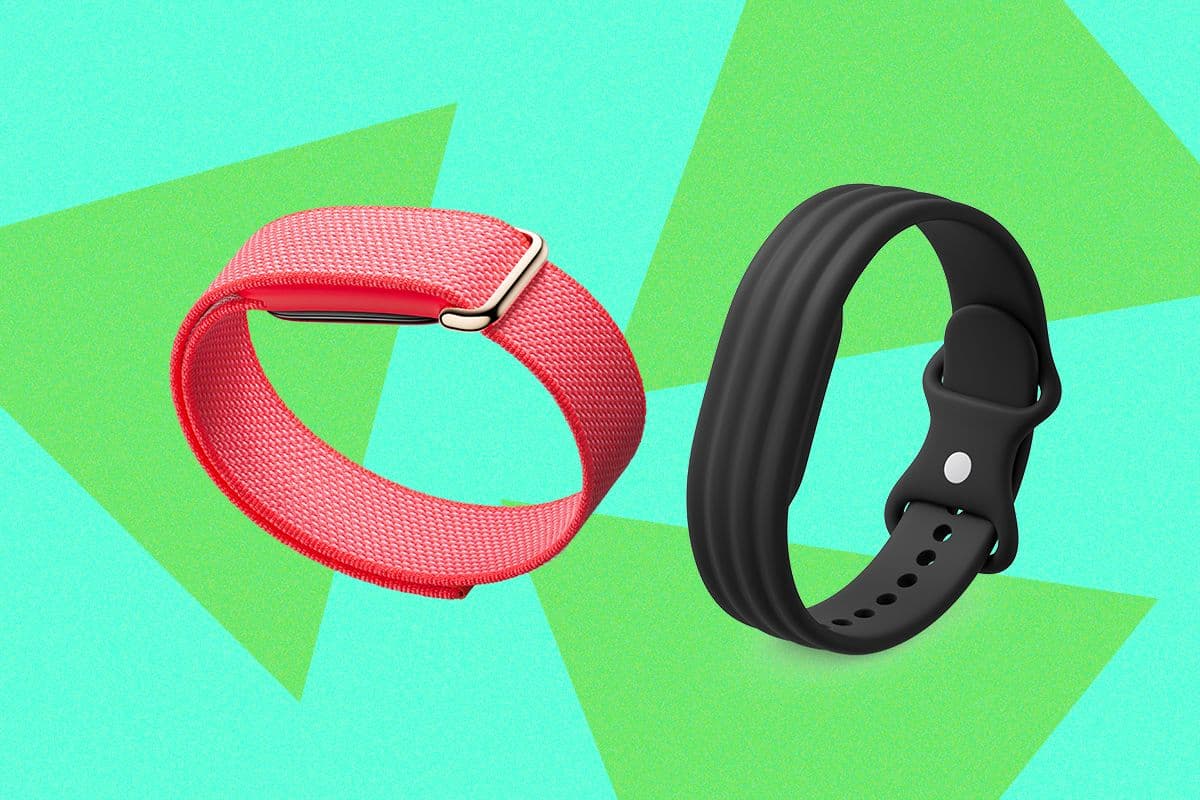
Google Ditches the Screen With the New Fitbit Air (2026)
Companies Mentioned
Why It Matters
The Air gives Google a low‑cost, data‑rich entry point into the minimalist fitness‑tracker segment, pressuring incumbents like Whoop and expanding Google’s health‑data ecosystem.
Key Takeaways
- •Screenless design mimics Whoop, targeting minimalist fitness market
- •Full sensor suite includes temperature, SpO2, and gyroscope
- •Google Health Coach subscription adds AI‑driven coaching for $10/month
- •7‑day battery and recycled polycarbonate housing emphasize sustainability
Pulse Analysis
The wearable market has been gravitating toward ultra‑light, screenless devices that prioritize data collection over visual feedback. Whoop’s dominance in this niche has shown that athletes value continuous biometric streams without the distraction of a display. Google’s Fitbit Air enters this space with a sleek oval form factor, positioning itself as a direct competitor while leveraging Google’s brand trust and manufacturing scale. By eliminating the screen, Google reduces power draw, enabling a week‑long battery life that rivals the best‑in‑class trackers.
Beyond hardware, the Air’s real differentiator is its integration with Google Health Coach, an AI‑driven service built on the Gemini model. The platform ingests heart‑rate, temperature, SpO2, and motion data to generate adaptive fitness plans, recovery windows, and sleep‑optimizing alarms. Subscribers pay $10 per month, receiving three free months with device purchase, and can access the service through Google One’s AI Pro and Ultra tiers. This subscription model not only creates recurring revenue but also deepens user lock‑in, as the coaching insights are tied to the broader Google ecosystem, including Pixel watches and other Fitbit devices.
For Google, the Air represents a strategic push to consolidate health data across its hardware portfolio and to challenge Whoop’s premium pricing with a $100 entry point. The emphasis on recycled polycarbonate and sustainable band materials aligns with growing consumer demand for eco‑friendly tech. If adoption mirrors early Fitbit successes, the Air could expand Google’s foothold in the wellness market, providing a steady stream of biometric data that fuels its AI services and strengthens its position against rivals like Apple, Samsung, and Garmin.
Google Ditches the Screen With the New Fitbit Air (2026)
Comments
Want to join the conversation?
Loading comments...