Google Explains Why Android AICore Occasionally Takes up More Storage
Companies Mentioned
Why It Matters
On‑device AI delivers faster, privacy‑first experiences while the temporary storage overhead is a manageable trade‑off for users and developers. Understanding the update mechanism helps device owners anticipate short‑term space usage and plan accordingly.
Key Takeaways
- •AICore runs Gemini Nano models directly on Android 14+ devices
- •Updates temporarily keep old and new models for up to three days
- •On‑device AI boosts privacy, offline use, and reduces latency
- •Storage clears automatically once the new model is validated
Pulse Analysis
Google’s Android AICore brings generative AI directly onto smartphones, leveraging the Gemini Nano model family to power features such as advanced proofreading, speech‑to‑text, scam detection, smart replies, summarization, and translation. Available on Android 14 and later devices with compatible processors, AICore runs these models locally, eliminating the need for cloud round‑trips. By embedding the model in the device’s hardware, Google can deliver consistent performance across network conditions, a key differentiator in the mobile AI race.
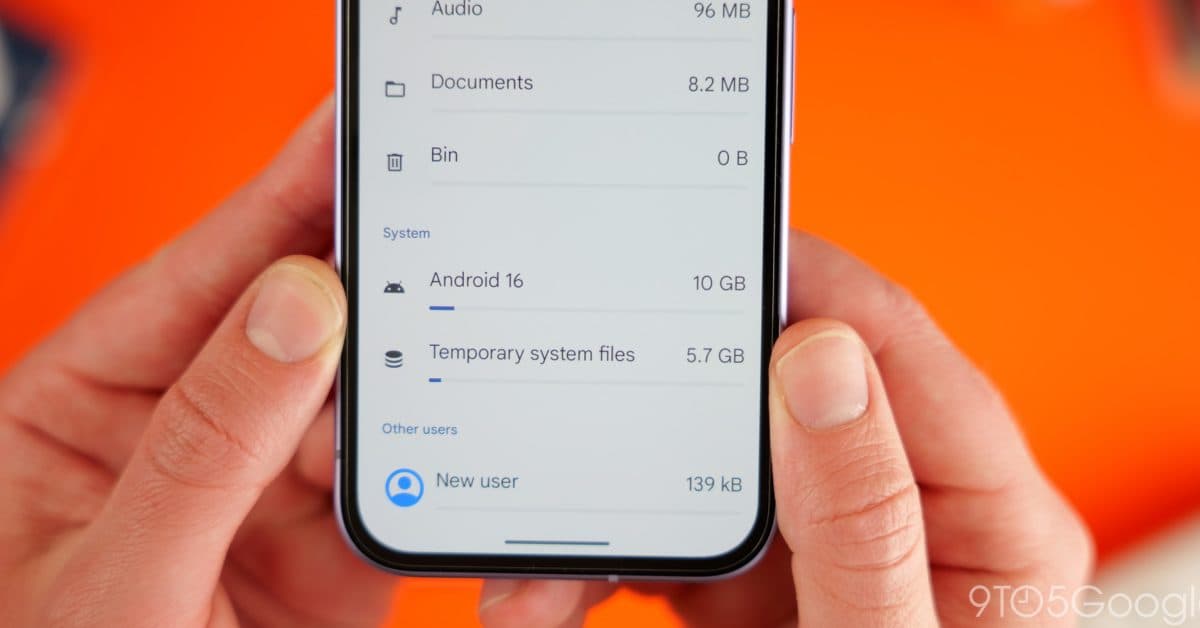
The convenience of on‑device AI comes with a storage cost. Gemini Nano models are several gigabytes in size, and when Google releases a new version, AICore retains both the previous and the updated model for up to three days. This temporary duplication acts as a fail‑safe, allowing the system to roll back instantly if the new model exhibits errors, rather than forcing users to re‑download the entire package. Once the update passes stability checks, the older model is automatically purged, freeing the occupied space without user intervention.
For users, the brief storage bump is a trade‑off for faster, private AI experiences that work without an internet connection. Enterprises can leverage on‑device processing to keep sensitive data in‑house, aligning with regulatory requirements. Developers will need to account for the periodic storage footprint when designing apps that depend on AICore, especially on devices with limited capacity. As more manufacturers adopt AI‑ready chipsets, we can expect Google to expand the model library, further blurring the line between cloud and edge intelligence.
Google explains why Android AICore occasionally takes up more storage
Comments
Want to join the conversation?
Loading comments...