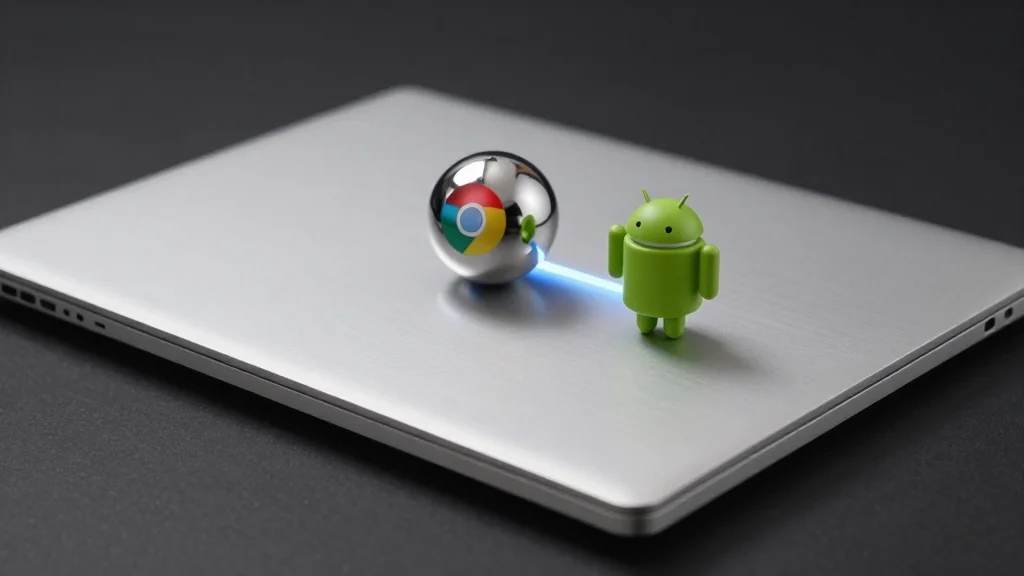
Google Eyes Native Android Apps on ChromeOS in Potential "Aluminum OS" Rollout

Companies Mentioned
Why It Matters
Merging Android and ChromeOS could blur the line between mobile and desktop experiences, giving consumers a single device that handles web, productivity, and mobile app workloads seamlessly. For the consumer tech ecosystem, such convergence could accelerate the shift toward cloud‑first, app‑centric computing, pressuring competitors to rethink their own OS strategies. A successful integration would also expand Google's reach into the lucrative laptop market, where Windows currently dominates. By offering a unified platform that leverages Android's massive app ecosystem, Google could attract users who previously dismissed ChromeOS due to limited app availability, thereby reshaping market share dynamics.
Key Takeaways
- •Google is reportedly planning native Android app support on ChromeOS.
- •The merged OS is informally called "Aluminum OS" in analyst commentary.
- •Integration would embed the full Chrome browser directly into Android.
- •Analysts say the move could make ChromeOS one of Google's most powerful platforms.
- •No official launch date or detailed roadmap has been disclosed.
Pulse Analysis
Google's push to fuse Android with ChromeOS reflects a strategic effort to leverage its two largest consumer platforms into a single, more compelling offering. Historically, ChromeOS has relied on web apps and a compatibility layer for Android, which, while functional, has left performance and integration gaps. By moving to native support, Google can eliminate those gaps, delivering faster app launch times and tighter system integration—advantages that could sway power users and education markets alike.
The timing aligns with broader industry trends toward device convergence. Competitors such as Microsoft have introduced Android app support in Windows 11, but the experience remains fragmented. Google's approach, if executed as described, could set a new benchmark for seamless cross‑platform functionality. However, the initiative carries risk: hardware partners must adapt, and developers need clear guidance to optimize for a hybrid environment. Missteps could lead to fragmented user experiences that undermine the promised benefits.
Looking ahead, the success of "Aluminum OS" will hinge on how quickly Google can move from speculation to tangible developer tools and consumer devices. Early beta programs, clear documentation, and robust performance metrics will be essential to convince both OEMs and end users. If Google can deliver on these fronts, the move could redefine the laptop category, positioning ChromeOS as a true universal OS that bridges the mobile‑desktop divide.
Google Eyes Native Android Apps on ChromeOS in Potential "Aluminum OS" Rollout
Comments
Want to join the conversation?
Loading comments...