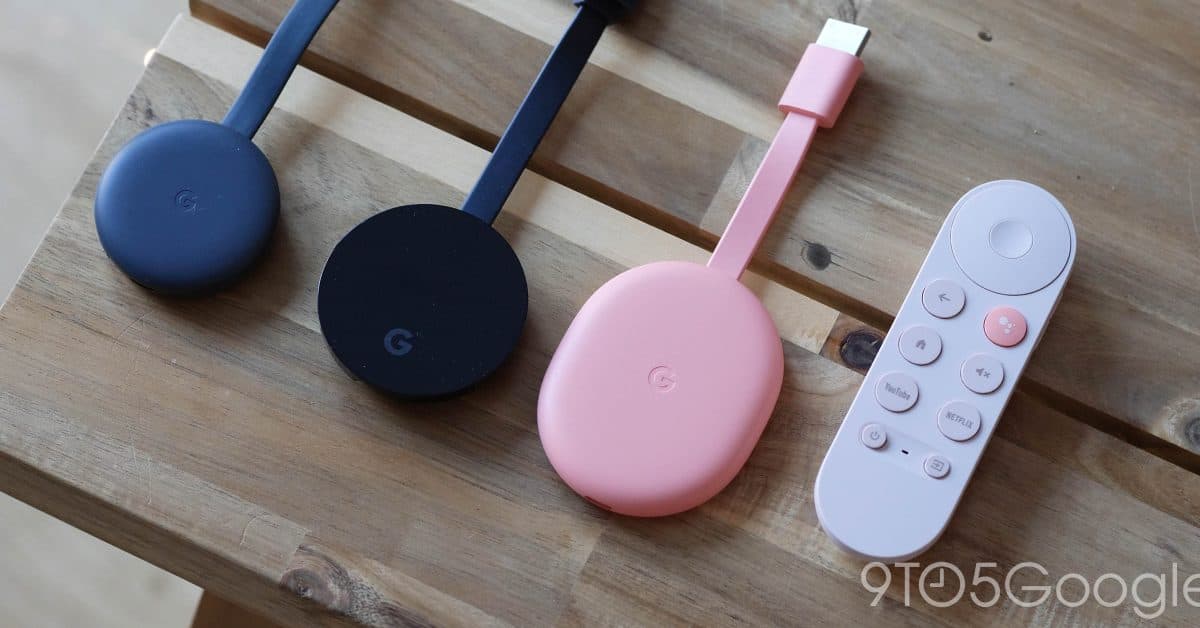
Google Has Apparently Ended Updates for Every Chromecast Except One
Companies Mentioned
Why It Matters
Ending updates reduces the security posture of millions of streaming sticks, prompting users to upgrade or risk exposure. It also signals Google's broader shift toward a defined device lifecycle for its IoT portfolio.
Key Takeaways
- •Google stopped critical updates for five Chromecast models released before 2022
- •Only the 2022 Chromecast with Google TV (HD) remains supported
- •End-of-support aligns with Google's five‑year minimum software lifecycle policy
- •Users may still receive app and server updates despite firmware freeze
Pulse Analysis
The cessation of firmware updates for legacy Chromecast devices underscores a growing industry trend: manufacturers are defining finite support windows for consumer hardware. Streaming sticks, unlike smartphones, often linger in households for years, making timely security patches essential. By anchoring its policy to a five‑year minimum, Google aims to balance development costs with user safety, yet the abrupt termination for multiple models highlights the challenges of maintaining legacy codebases across evolving Android TV platforms.
For end users, the practical impact is twofold. First, devices that fall out of the update cycle become vulnerable to newly discovered exploits, especially as they continue to interface with cloud services and personal networks. Second, the lack of firmware upgrades may degrade performance over time, prompting consumers to consider newer hardware such as the 2022 Chromecast with Google TV (HD) or competing devices from Amazon and Roku. Retailers may see a short‑term boost in replacement sales, while enterprise deployments that rely on Chromecast for digital signage could face accelerated refresh cycles.
From a broader market perspective, Google's move signals a more transparent, albeit stricter, approach to IoT lifecycle management. As regulators worldwide push for longer support periods for connected devices, manufacturers will need to articulate clear timelines and provide migration paths. Consumers should monitor support calendars, prioritize devices still receiving security patches, and plan upgrades before critical updates cease. This proactive stance not only safeguards personal data but also aligns with best practices for sustainable technology adoption.
Google has apparently ended updates for every Chromecast except one
Comments
Want to join the conversation?
Loading comments...