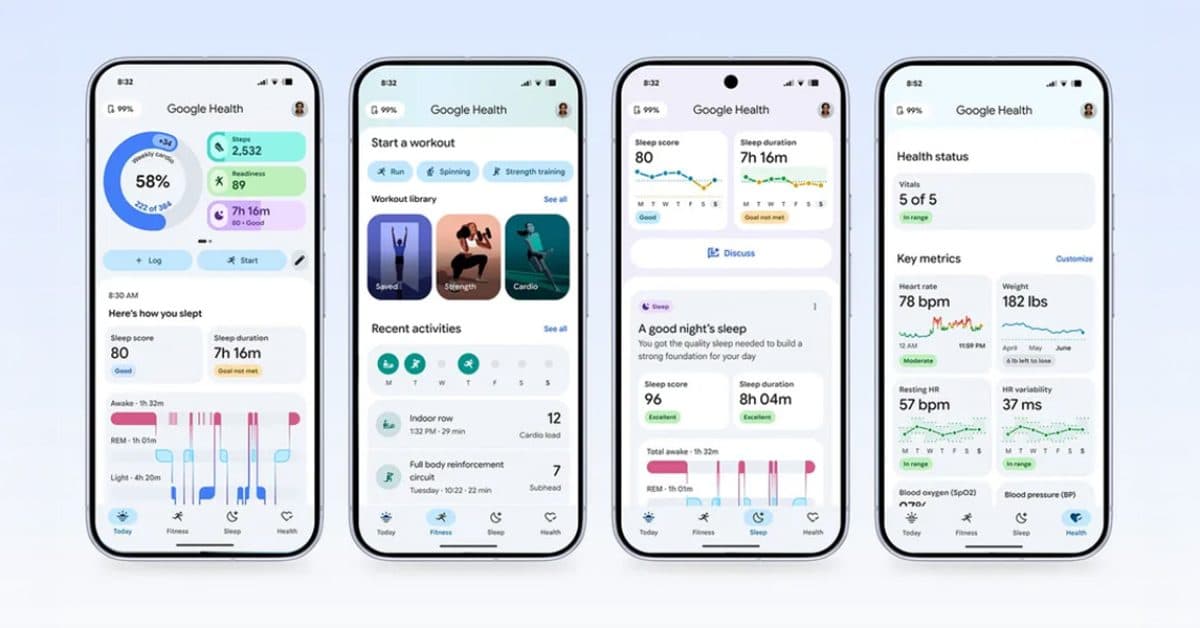
Google Health for Android Rollout Was Sped up as Fitbit Air Buyers Were Struggling to Pair
Companies Mentioned
Why It Matters
Accelerating the Android update prevents a fragmented user experience and safeguards Google’s credibility as it consolidates Fitbit’s ecosystem under the Google Health brand. It also signals Google’s commitment to a seamless launch for its upcoming wearables lineup.
Key Takeaways
- •Google accelerated Google Health 5.0 rollout on Android for Fitbit Air pairing
- •Android users previously lagged behind iOS in receiving the update
- •Without Google Health 5.0, Fitbit Air cannot be set up on Android
- •Reddit users confirmed the accelerated rollout after early deliveries
- •Updated app mirrors revamped Fitbit experience from public preview
Pulse Analysis
Google’s decision to fast‑track the Google Health 5.0 update on Android reflects a classic product‑launch challenge: aligning software readiness with hardware shipments. The Fitbit Air, now part of Google’s wearables portfolio, arrived on consumers’ doorsteps before the necessary app version was widely available on the Play Store. This mismatch forced early adopters to turn to community forums, where they flagged the inability to pair the device. By publicly acknowledging the issue and pushing an accelerated rollout, Google not only mitigated immediate frustration but also reinforced its commitment to a unified health ecosystem that spans Android and iOS.
From a platform perspective, the delay highlighted the inherent asymmetry between Google Play and Apple’s App Store distribution pipelines. iOS users received the update almost instantly, while Android users faced a staggered rollout that risked alienating a sizable segment of the market. Google’s rapid response—issuing a targeted Play Store update—demonstrates the company’s growing agility in managing large‑scale app deployments. It also underscores the importance of synchronized releases for hardware‑dependent services, especially as wearables become more data‑intensive and reliant on real‑time health metrics.
Looking ahead, the episode offers insight into Google’s broader strategy for integrating Fitbit’s legacy features into the Google Health brand. While the rebranded app retains most of the familiar Fitbit experience, certain features like badges and sleep animals have been omitted, hinting at a streamlined, data‑focused roadmap. By ensuring a smooth Android rollout now, Google positions itself to roll out future hardware—such as next‑gen Fitbit devices or AI‑driven coaching tools—without the friction that could erode consumer trust. The move also sends a signal to competitors that Google is serious about delivering a cohesive, cross‑platform health platform.
Google Health for Android rollout was sped up as Fitbit Air buyers were struggling to pair
Comments
Want to join the conversation?
Loading comments...