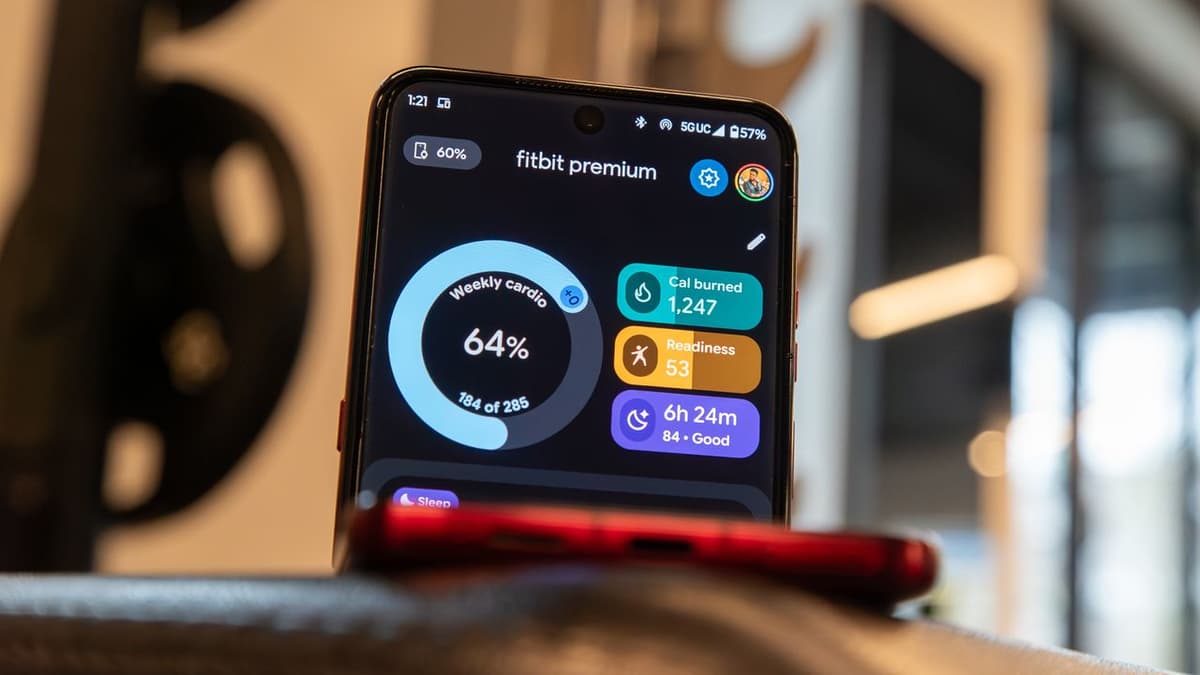
Google Health Will Leave Behind some Classic Fitbit App Features: Here's All of Them
Companies Mentioned
Why It Matters
The feature cuts could diminish Fitbit’s community appeal, while Google’s new metrics aim to deepen engagement and position Google Health as a broader, AI‑powered wellness hub against rivals like Whoop and Apple Health.
Key Takeaways
- •Sleep Profile and animal summaries removed from Google Health
- •Weekly cardio targets replace rigid daily goals
- •Stress score swapped for new Resilience metric
- •Badges, community feed, and messaging discontinued
- •SpO₂ data stays; Estimated Oxygen Variation removed
Pulse Analysis
Google’s decision to fold Fitbit into Google Health marks a strategic shift from a standalone wearable ecosystem to an integrated health platform. By retiring familiar elements such as the Sleep Profile and badge system, Google is clearing space for AI‑enhanced insights, including a premium‑tier chat that can answer sleep‑related questions. The move also standardizes core metrics—replacing the Estimated Oxygen Variation with VO₂ max and consolidating skin‑temperature data into daily trends—signaling a focus on clinically relevant data rather than granular hobbyist tracking.
From a user‑experience perspective, the transition introduces a more flexible fitness model. Weekly cardio targets let users compensate for missed workouts, aligning with real‑world schedules, while the new Resilience score reframes stress monitoring into a broader wellness narrative. However, stripping away social features—badges, community feeds, and direct messaging—may erode the gamified motivation that kept many Fitbit users engaged. The trade‑off pits streamlined health analytics against the loss of community‑driven stickiness, a balance Google must manage to retain its existing base.
In the competitive wearables landscape, Google’s overhaul positions it to challenge Whoop’s subscription‑driven model and Apple’s health ecosystem. By bundling premium AI services with a unified Google account, the company can leverage its data infrastructure to offer personalized recommendations at scale. Yet, privacy concerns loom as health data migrates to a broader Google profile, prompting regulators and consumers to scrutinize consent mechanisms. If Google can deliver actionable insights while safeguarding user data, the revamped Google Health could become a central hub for wellness, reshaping how consumers interact with wearable technology.
Google Health will leave behind some classic Fitbit app features: Here's all of them
Comments
Want to join the conversation?
Loading comments...