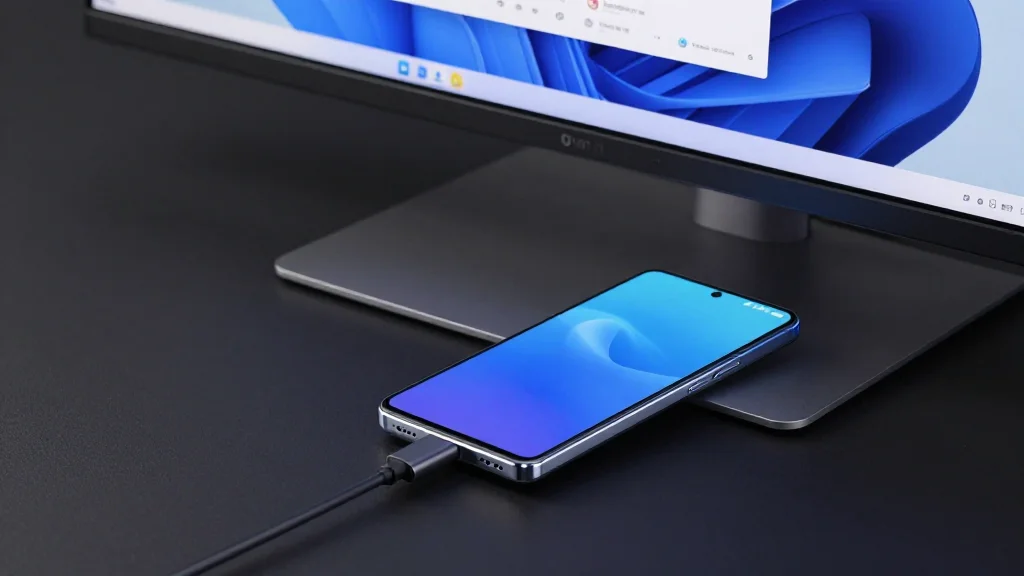
Google Launches Full Desktop Mode on Pixel Phones with Android 16

Companies Mentioned
Why It Matters
The introduction of a native desktop mode on Pixel phones could blur the line between smartphones and traditional PCs, offering a cost‑effective alternative for remote work, education and light productivity. By leveraging existing hardware, Google may accelerate the shift toward device convergence, prompting competitors to rethink their own mobile‑desktop strategies. For developers, the new mode creates a demand for responsive UI designs that scale from phone screens to full‑size monitors, potentially expanding the Android app market. If successful, the feature could also influence hardware manufacturers to prioritize USB‑C docking capabilities, reshaping accessory ecosystems.
Key Takeaways
- •Android 16 adds built‑in desktop mode for Pixel 8 and newer devices
- •Desktop experience includes taskbar, resizable windows, app snapping, and keyboard shortcuts
- •Feature works with any USB‑C to HDMI adapter, unlike Samsung DeX’s proprietary docks
- •Google’s rollout targets global availability by May 2026
- •Analysts estimate up to 12% of low‑end desktop workloads could shift to mobile‑first devices by 2028
Pulse Analysis
Google’s decision to embed a desktop environment directly into Android signals a strategic pivot from incremental feature releases to a platform‑wide productivity push. Historically, Android’s strength has been mobility, while Samsung leveraged its hardware ecosystem to pioneer DeX. By offering a native solution, Google not only validates Samsung’s earlier vision but also leverages its software‑first advantage to reach a broader audience without the need for specialized docks.
The timing aligns with a broader industry trend toward device convergence, driven by remote‑work adoption and rising consumer demand for flexible computing. While the desktop mode’s current hardware limitation to Pixel 8 and newer may constrain early market penetration, the move could pressure OEMs to adopt similar capabilities across the Android spectrum, potentially democratizing the experience. Moreover, the feature could serve as a catalyst for app developers to prioritize responsive design, enriching the Android ecosystem with more versatile applications.
Looking ahead, the success of Google’s desktop mode will depend on three factors: ecosystem support, user adoption, and competitive response. If Google can secure strong developer backing and deliver a seamless experience, it could erode the niche that Samsung DeX currently occupies and challenge low‑cost laptop segments. Conversely, if performance issues persist or app compatibility lags, the initiative may remain a novelty. The next few months—particularly the global rollout and early usage data—will be decisive in determining whether Android’s desktop ambitions become a mainstream reality or a footnote in the ongoing convergence debate.
Google Launches Full Desktop Mode on Pixel Phones with Android 16
Comments
Want to join the conversation?
Loading comments...