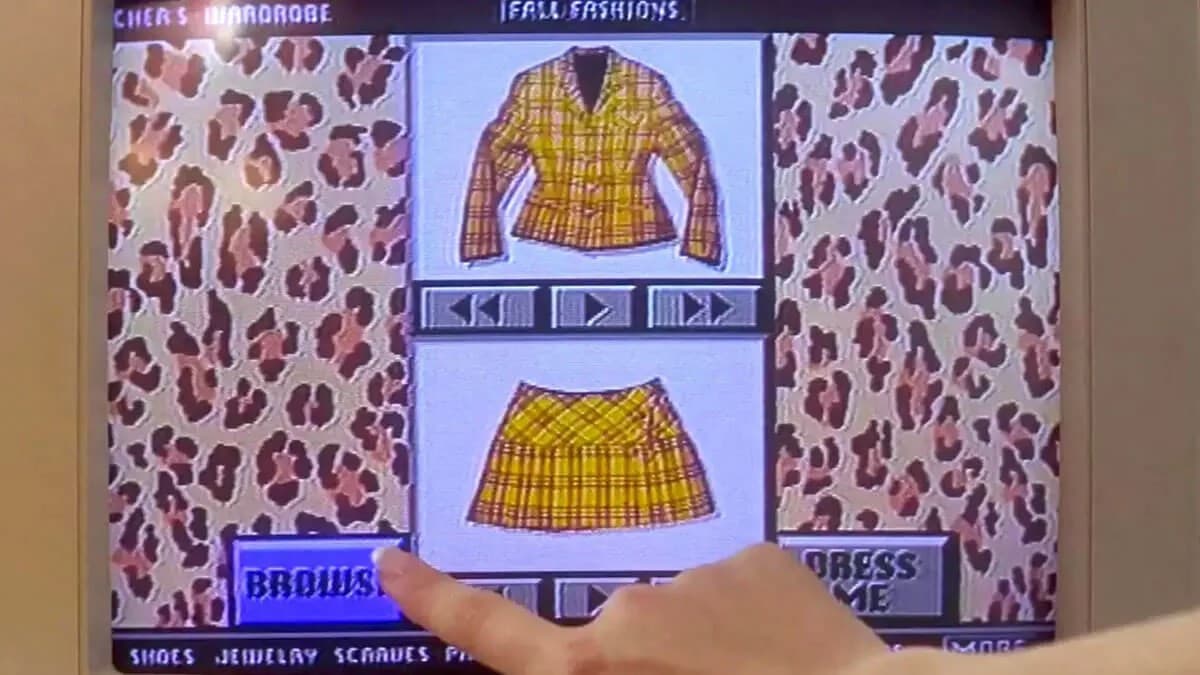
Google Photos Uses AI to Make the Iconic Closet From ‘Clueless’ a Reality
Companies Mentioned
Why It Matters
By embedding AI styling tools into a mainstream platform, Google could democratize outfit planning and shift consumer reliance away from specialized fashion apps, influencing retail marketing and e‑commerce strategies.
Key Takeaways
- •Google Photos adds AI digital closet, auto‑detects clothing from photos
- •Users can mix, match, and virtually try on outfits within the app
- •Rollout starts Android summer 2026, iOS follows later
- •Competes directly with niche wardrobe apps like Acloset and Pureple
- •AI improves with more photos, encouraging users to catalog their wardrobe
Pulse Analysis
The launch of Google Photos’ digital closet marks a significant step in the convergence of AI and everyday consumer tools. Leveraging Google’s massive image‑recognition infrastructure, the feature automatically tags garments across a user’s photo archive, turning a scattered collection of snapshots into a searchable wardrobe. Unlike niche apps that require manual entry, this solution piggybacks on existing data, lowering the barrier to entry for casual users who simply want quick outfit suggestions without a dedicated fashion app.
For the fashion industry, the implications are twofold. First, retailers gain a new channel to reach shoppers who are already visualizing outfits within Google’s ecosystem, opening possibilities for seamless product tagging and shoppable links. Second, the democratization of styling assistance could reduce the perceived need for personal stylists or subscription‑based wardrobe services, reshaping how brands allocate marketing spend. Competitors such as Acloset and Pureple will need to differentiate through deeper curation or exclusive brand partnerships to retain relevance.
From a technical perspective, the feature raises questions about privacy and data usage. Google must ensure that clothing‑recognition models operate on‑device or with strict consent to avoid exposing personal images. As the AI learns from more user‑generated content, accuracy will improve, potentially expanding into fabric‑type detection or fit recommendations. In the longer term, integration with augmented‑reality mirrors or virtual try‑on experiences could turn the digital closet into a hub for both personal styling and direct commerce, cementing Google’s role as a pivotal player in the evolving fashion‑tech landscape.
Google Photos uses AI to make the iconic closet from ‘Clueless’ a reality
Comments
Want to join the conversation?
Loading comments...