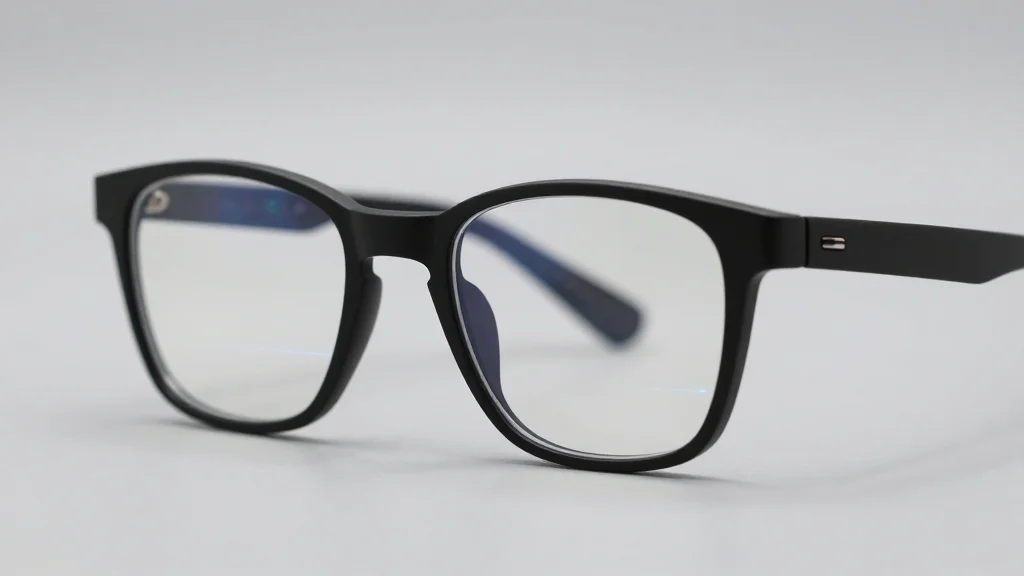
Google Rolls Out AI‑powered Smart Glasses Aimed at Productivity

Companies Mentioned

Why It Matters
Google’s refreshed smart‑glasses strategy could redefine how workers interact with digital information. By moving the focus from social novelty to tangible productivity gains, the devices may find footholds in sectors such as logistics, field service and remote collaboration, where hands‑free access to data is a competitive advantage. The partnership with established eyewear brands also lowers the barrier to consumer acceptance, addressing the aesthetic concerns that hampered earlier attempts. If the Gemini lineup gains traction, it could pressure rivals like Meta and Apple to prioritize enterprise features in their own wearable roadmaps. The broader implication is a potential acceleration of the wearable computing market, shifting it from a niche hobbyist segment toward mainstream business tools.
Key Takeaways
- •Google unveiled a three‑tier AI smart‑glasses lineup: Gemini Audio Frames, Gemini Display Edition, and Project Aura.
- •The Gemini Audio Frames are audio‑only, while the Display Edition adds a monocular microLED heads‑up display for productivity tasks.
- •Project Aura is a developer‑focused, wired XR kit using an Xreal tethered puck, distinct from the consumer models.
- •Google partners with Warby Parker and Gentle Monster for the first consumer releases, aiming for fashion‑forward yet functional designs.
- •Privacy features include LED indicators for camera/mic use and sound‑leakage minimization.
Pulse Analysis
Google’s decision to anchor its smart‑glasses on the Gemini AI platform reflects a broader industry trend: leveraging large language models to deliver context‑aware assistance in real time. The split compute model—delegating heavy processing to a phone or cloud—mirrors the architecture of modern wearables like the Apple Watch, where battery life and form factor are critical constraints. By offloading AI workloads, Google can keep the frames lightweight while still offering sophisticated features such as object recognition and continuous conversational interaction.
Historically, Google Glass failed largely because it was marketed as a consumer gadget without a clear value proposition, and privacy concerns eroded trust. This new lineup addresses both issues: the design mimics conventional eyewear, and visible indicators signal when sensors are active. Moreover, the focus on productivity aligns the product with existing Google services—Workspace, Maps, Translate—creating a seamless ecosystem that can be monetized through enterprise subscriptions. The developer‑centric Project Aura may also seed a new app economy for spatial computing, similar to how early iPhone SDKs spurred a wave of third‑party apps.
Competitors will need to respond quickly. Meta’s Ray‑Ban collaboration emphasizes style and social sharing, while Apple has hinted at AR glasses but has not disclosed a concrete timeline. Google’s early mover advantage in AI‑driven, work‑focused wearables could capture enterprise contracts before rivals solidify their own offerings. However, success hinges on execution: reliable sensor performance, robust privacy safeguards and compelling pricing will determine whether the Gemini glasses become a staple in the modern office or remain a niche experiment.
Google rolls out AI‑powered smart glasses aimed at productivity
Comments
Want to join the conversation?
Loading comments...