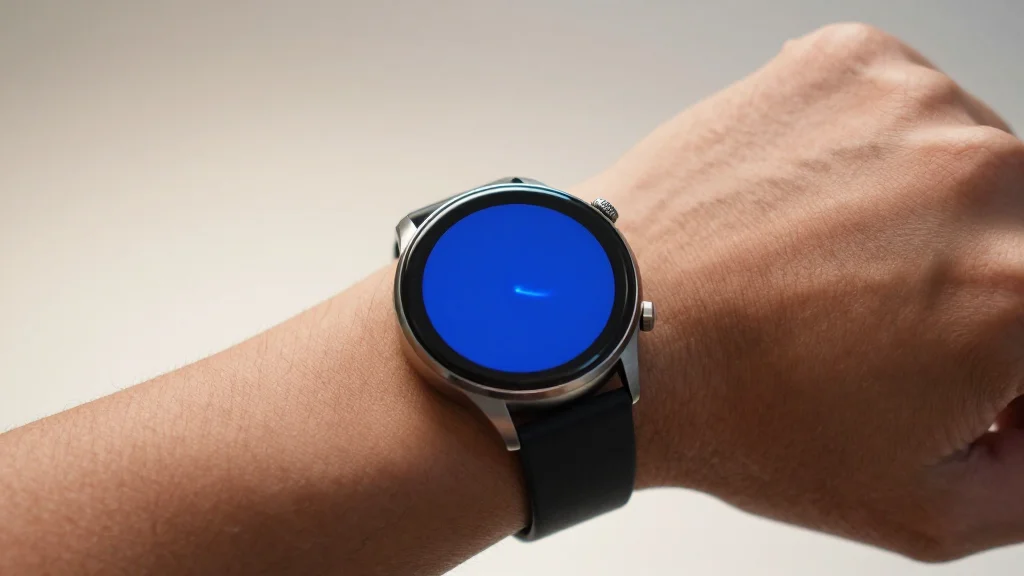
Google Rolls Out Wear OS 7 with 10% Longer Battery and Gemini AI

Companies Mentioned
Why It Matters
Wear OS 7’s battery and AI enhancements could narrow the gap between Android and iOS wearables, a rivalry that has shaped consumer expectations for years. By delivering a measurable battery gain through software, Google demonstrates that incremental OS improvements can still deliver user‑visible benefits without new silicon. The Gemini integration also extends Google’s generative‑AI strategy to a new form factor, potentially unlocking voice‑first interactions that were previously limited to phones and smart speakers. If the upcoming Gemini‑enabled watches gain traction, they could accelerate the shift toward AI‑driven health and productivity features on the wrist, prompting competitors to accelerate their own AI roadmaps. Conversely, the exclusion of existing Pixel Watch owners may create a fragmentation risk, pushing users toward alternative platforms that promise more immediate AI upgrades.
Key Takeaways
- •Wear OS 7 promises up to 10% longer average battery life for compatible watches
- •Live Updates deliver dynamic, real‑time information in notifications
- •Tiles are replaced by Android‑style Wear Widgets in two size formats
- •Gemini AI integration via AppFunctions enables voice‑driven actions on the watch
- •Gemini features will be limited to new watch models launching later in 2026
Pulse Analysis
Google’s decision to focus Wear OS 7 on software efficiencies rather than a hardware overhaul reflects a pragmatic response to a market where battery life remains a decisive factor. Historically, smartwatch manufacturers have relied on incremental hardware upgrades to claim longer endurance, but Google’s 10% gain demonstrates that OS‑level power management can still move the needle. This approach reduces the cost barrier for OEM partners, potentially widening the ecosystem of Wear OS devices beyond Google’s own Pixel line.
The Gemini AI rollout marks the first time Google’s flagship generative‑AI model is embedded in a wearable. By exposing the capability through an open API, Google is betting on third‑party developers to create a wave of voice‑first experiences that could redefine how users interact with their watches. However, the hardware limitation—requiring a next‑gen chipset—creates a two‑tier market: early adopters who purchase new Gemini‑enabled watches versus the existing Pixel Watch user base that will miss out. This split could pressure Google to accelerate hardware refresh cycles or offer a cloud‑based fallback to keep legacy users engaged.
From a competitive standpoint, Apple’s watchOS already offers on‑device AI for health metrics and Siri shortcuts, while Samsung’s Wear OS partnership has focused on battery optimization and health sensors. Google’s combined battery and AI push may force rivals to double down on their own AI integrations or seek partnerships that can deliver comparable on‑device intelligence. The next few quarters will reveal whether Wear OS 7 can translate technical upgrades into market share gains, especially as consumers weigh the value of AI features against the cost of new hardware.
Google rolls out Wear OS 7 with 10% longer battery and Gemini AI
Comments
Want to join the conversation?
Loading comments...