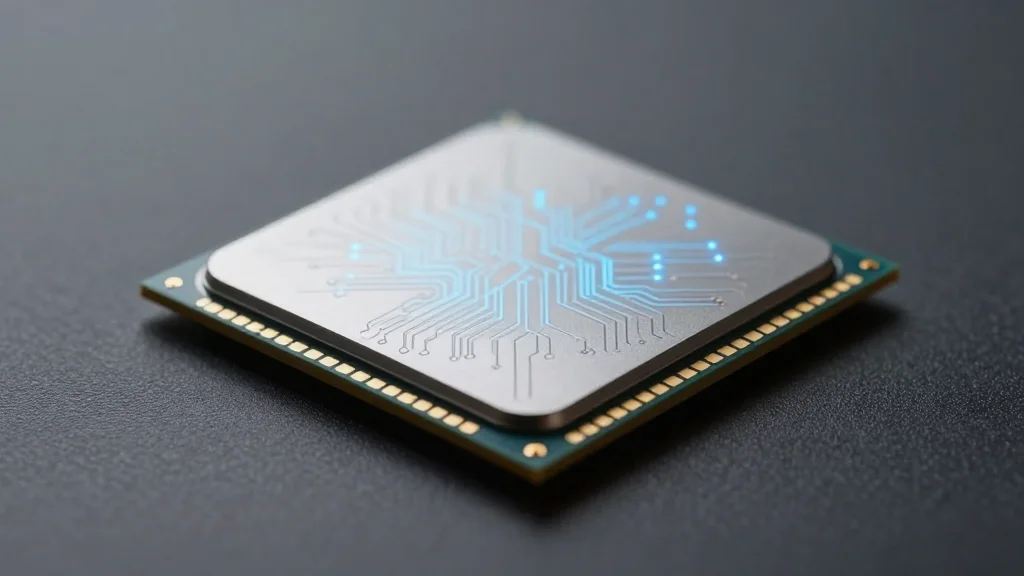
Google Tensor G6 Leak Shows 40% CPU Boost for Pixel 11, Gaming Still Lagging

Why It Matters
The Tensor G6 leak signals a shift in Google’s hardware philosophy, emphasizing AI‑driven speed over pure benchmark dominance. For Android users, a faster CPU means more responsive AI features—real‑time photo enhancements, on‑device translation, and voice assistants that feel instantaneous. At the same time, the modest GPU upgrade underscores the trade‑off between battery longevity and gaming performance, a balance that could reshape consumer expectations for flagship smartphones. If Google can deliver the promised 40% single‑core uplift, it may pressure Qualcomm and MediaTek to accelerate their own AI‑centric designs, potentially sparking a new wave of silicon that blends high clock speeds with dedicated machine‑learning accelerators. The outcome could influence everything from app development priorities to carrier subsidy strategies, as manufacturers and operators reassess which performance metrics matter most to end users.
Key Takeaways
- •Leak reveals Tensor G6’s single C1‑Ultra core runs at 4.11 GHz, a jump from the G5’s lower clock speeds.
- •Geekbench 6 estimates suggest ~40% single‑core performance increase over the Tensor G5.
- •GPU switches to PowerVR CXTP‑48‑1536, prioritizing efficiency over raw gaming power.
- •Core configuration: 1×4.11 GHz, 4×3.38 GHz, 2×2.65 GHz C1‑Pro cores, indicating a conservative multi‑core design.
- •Google’s focus on AI performance may reshape Android flagship competition ahead of the 2026 fall launch.
Pulse Analysis
Google’s decision to leapfrog an entire Arm core generation with the Tensor G6 reflects a broader industry trend: silicon is increasingly being tuned for on‑device AI rather than pure synthetic scores. By pushing the clock to 4.11 GHz, Google aims to reduce latency for its proprietary ML pipelines, which could translate into noticeable improvements in photo processing, voice recognition, and real‑time translation. This approach mirrors Apple’s recent M‑series chips, where AI workloads are a primary performance driver.
However, the trade‑off is evident in the GPU choice. While the PowerVR CXTP‑48‑1536 promises better frames‑per‑watt, it will likely fall short of the Snapdragon 8 Elite’s Adreno 730 in raw gaming throughput. Google appears to be betting that the majority of Pixel buyers prioritize AI features and battery life over high‑fps mobile gaming—a bet that aligns with its market positioning as a premium, productivity‑focused device rather than a gaming powerhouse.
Competitors will need to respond. Qualcomm’s roadmap already hints at tighter integration of its Hexagon DSPs for AI, while MediaTek is pushing larger C1‑Premium cores. If Google’s CPU gains prove real, it could force rivals to accelerate their own AI‑centric designs, potentially compressing the performance gap between flagship and mid‑range devices. The upcoming Pixel 11 launch will therefore serve as a litmus test: will consumers reward the AI‑first performance boost, or will the lingering gaming shortfall keep them loyal to Snapdragon‑powered flagships? The answer will shape the next generation of Android hardware strategy.
Google Tensor G6 Leak Shows 40% CPU Boost for Pixel 11, Gaming Still Lagging
Comments
Want to join the conversation?
Loading comments...