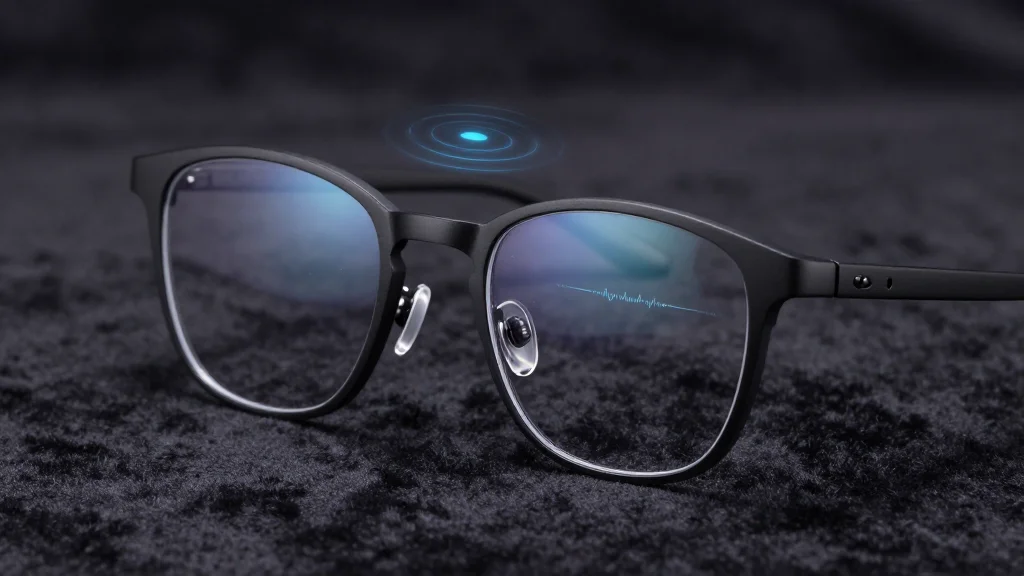
Google Unveils Android XR Audio Glasses Powered by Gemini AI for Fall Launch

Companies Mentioned

Why It Matters
Google’s entry into AI‑powered smart eyewear could reshape the consumer tech hierarchy by introducing a hands‑free, always‑on interface that competes directly with smartphones for daily interactions. The partnership approach may also set a new standard for how hardware giants collaborate with fashion and OEM partners to overcome design and adoption hurdles. If successful, the Android XR audio glasses could accelerate the development of a broader ecosystem of voice‑first applications, prompting rivals to double down on wearable AI and potentially spurring a wave of new services that leverage real‑time contextual data. Failure, however, would reaffirm the challenges of convincing mainstream users to wear AI‑enabled devices for extended periods.
Key Takeaways
- •Google announced Android XR audio smart glasses for a fall 2026 launch.
- •The glasses integrate Gemini AI for voice‑only interactions and contextual assistance.
- •Partnerships with Samsung, Gentle Monster and Warby Parker provide hardware and design expertise.
- •Features include real‑time translation, AI‑enhanced photo editing, and integration with Uber, DoorDash and Mondly.
- •A second category of display glasses is planned for later in the year, expanding the Android XR roadmap.
Pulse Analysis
Google’s strategy reflects a pragmatic pivot from the visual‑first ambitions of early smart‑glasses to a more incremental, voice‑centric experience. By eliminating a full‑field display in the first wave, Google reduces power consumption, cost, and the privacy concerns that have plagued previous attempts. This mirrors the broader industry trend of leveraging AI where it adds immediate utility—navigation, translation, and contextual queries—while postponing the more complex challenge of delivering compelling visual overlays.
The choice of partners is equally strategic. Samsung brings proven manufacturing scale and component expertise, while Gentle Monster and Warby Parker contribute fashion credibility that could make the glasses socially acceptable. This triad addresses two historic pain points: hardware reliability and aesthetic appeal. If the devices achieve price points comparable to premium headphones, they could capture a niche of early adopters and professionals who value hands‑free assistance without the stigma of “tech goggles.”
From a competitive standpoint, Google’s move puts pressure on Meta, Apple and emerging XR startups. Meta’s Ray‑Ban Display has struggled with a lack of third‑party apps, and Apple’s rumored AR glasses remain shrouded in secrecy. Google’s early focus on an open Android XR platform may attract developers sooner, creating a network effect that could lock in users. However, the success of the platform hinges on the depth of Gemini’s integration and the ability to deliver reliable, low‑latency responses in noisy, real‑world environments. The upcoming fall launch will be a decisive test of whether AI can finally find a mainstream wearable home.
Looking ahead, the rollout of display glasses later this year could redefine the value proposition of wearable AI. Should Google deliver a seamless blend of audio and visual cues, it may unlock new use cases in enterprise logistics, healthcare and education, where contextual information is critical. For now, the audio glasses serve as a low‑risk entry point, and their market reception will likely dictate the pace and scale of Google’s broader XR ambitions.
Google Unveils Android XR Audio Glasses Powered by Gemini AI for Fall Launch
Comments
Want to join the conversation?
Loading comments...