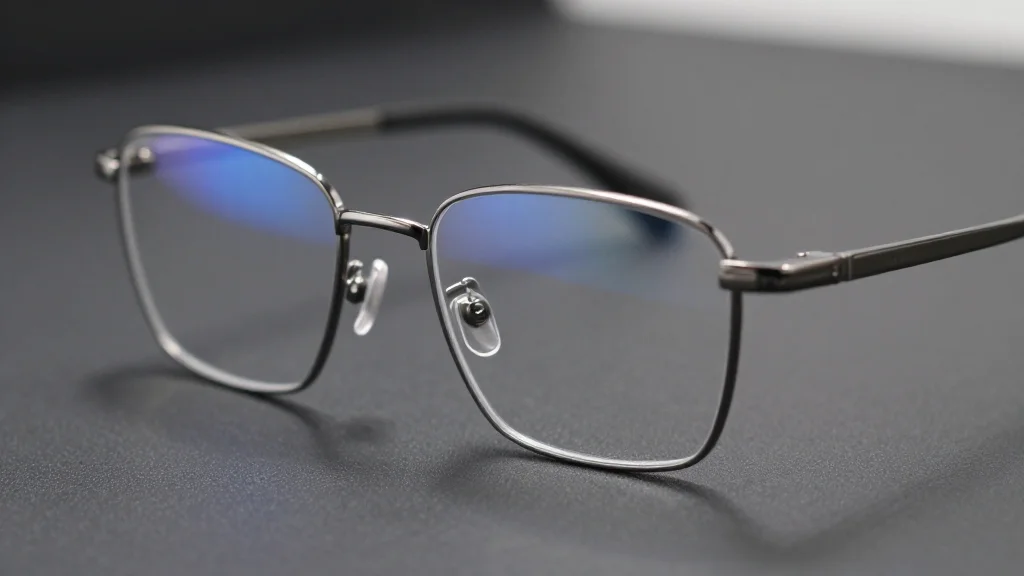
Google Unveils Gemini‑Powered AI Glasses at I/O, Targeting Meta’s Wearable Lead

Companies Mentioned

Why It Matters
Google’s entry into AI‑enabled eyewear could reshape the consumer tech landscape by pushing AR capabilities into a mainstream, fashion‑forward form factor. The collaboration with Warby Parker, Gentle Monster and Samsung blends technology with design, potentially lowering the barrier for everyday users to adopt mixed‑reality experiences. A successful launch would also intensify competition with Meta, forcing both firms to accelerate innovation and price competition, which could benefit consumers. The glasses also serve as a real‑world showcase for Gemini, Google’s flagship generative AI model. By embedding Gemini in a wearable, Google tests the model’s ability to handle on‑device voice commands, image capture and real‑time translation, providing valuable data that could improve its broader AI ecosystem across Android, Chrome and cloud services.
Key Takeaways
- •Google unveiled a Gemini‑powered AI smart glasses prototype at I/O 2026.
- •The device pairs an in‑lens display with voice interaction, offering widgets like weather, navigation and live translation.
- •Partnerships with Warby Parker, Gentle Monster and Samsung aim to blend tech with fashion.
- •Launch slated for fall 2026; audio‑only version to ship later in 2026.
- •Google’s $150 million investment from 2025 underscores a long‑term commitment to the wearables market.
Pulse Analysis
Google’s decision to launch AI glasses now reflects a broader industry shift toward ambient computing, where devices anticipate user needs without explicit input. By embedding Gemini, Google leverages its most advanced generative AI to differentiate the glasses from Meta’s more limited voice assistants. The real test will be whether the hardware can deliver a seamless, low‑latency experience; early reports of a 45‑second round‑trip for image processing suggest significant latency challenges that must be resolved before mass adoption.
From a competitive standpoint, the partnership with Warby Parker and Gentle Monster is a strategic hedge against the design criticisms that have plagued earlier AR headsets. If Google can position the glasses as a premium accessory rather than a tech gadget, it may capture a segment of fashion‑forward consumers who have been reluctant to adopt clunky wearables. This could force Meta to accelerate its own design refreshes and potentially lower prices to retain market share.
Looking ahead, the success of Google’s glasses will likely hinge on the ecosystem of third‑party widgets and services. By opening a developer sandbox, Google encourages a marketplace of AI‑driven overlays that could turn the glasses into a platform rather than a single product. If the ecosystem gains traction, we could see a rapid expansion of AR‑enabled applications ranging from retail assistance to real‑time language translation, fundamentally altering how users interact with digital content in the physical world.
Google Unveils Gemini‑Powered AI Glasses at I/O, Targeting Meta’s Wearable Lead
Comments
Want to join the conversation?
Loading comments...