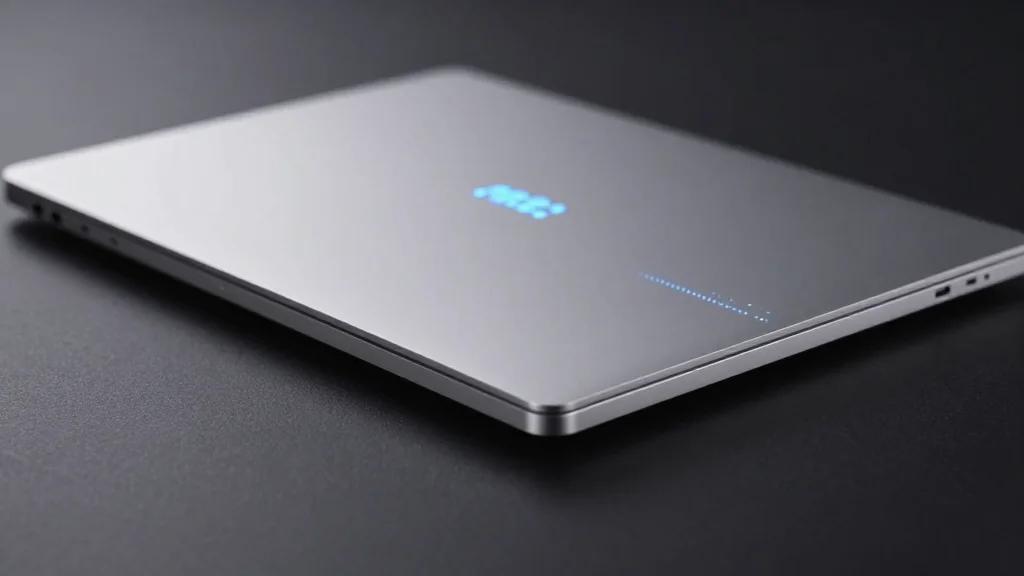
Google's Android 17 Beta Hints at Pixelbook Revival with New “Pixel Glow” Feature

Companies Mentioned
Why It Matters
A revived Pixelbook would mark Google’s first major foray back into the premium laptop market since 2019, signaling that the company believes its AI and cross‑device strategy can compete with entrenched players. By embedding a dedicated lighting system and laptop detection into Android, Google is laying the groundwork for a unified user experience that could accelerate adoption of its upcoming Aluminium OS, potentially reshaping the ChromeOS‑Android ecosystem. For consumers, a new Pixel laptop could bring tighter integration between Android phones, Google’s AI assistant Gemini, and desktop workflows, reducing friction that currently favors Apple’s Continuity and Samsung’s Multi Control. For developers, a unified platform could simplify app development across form factors, expanding the market for Android‑based productivity tools.
Key Takeaways
- •Android 17 Beta 4 includes strings referencing a “Pixel Glow” lighting system and a laptop‑specific settings check.
- •Sameer Samat said “AI is really bringing the laptop back” and highlighted the need for better phone‑laptop interoperability.
- •Rick Osterloh and Qualcomm CEO Cristiano Amon have spoken about a “common technical foundation” for PCs, underscoring a hardware partnership.
- •Google cancelled its previous Pixelbook project in 2022; a new device would revive a dormant hardware line after a seven‑year gap.
- •Google I/O 2026, slated for May 19‑20, is the likely venue for any official hardware announcement.
Pulse Analysis
Google’s subtle code leak is more than a curiosity; it signals a strategic pivot toward hardware that can showcase its AI ambitions. The company has spent the past few years betting on cloud AI services and software integration, but hardware remains a critical proof point for consumer trust. By embedding a laptop‑detecting asset in Android, Google is effectively future‑proofing its OS stack, ensuring that any new device will feel native rather than an afterthought.
Historically, Google’s hardware attempts have been hit‑or‑miss. The original Chromebook Pixel set a design benchmark but failed to achieve mass market traction, while the Pixelbook Go found a niche among developers. The current market, however, is more receptive to AI‑enhanced devices, and competitors are doubling down on cross‑device ecosystems. If Google can deliver a laptop that leverages Gemini for context‑aware tasks and uses Pixel Glow as a distinctive UX cue, it could carve out a differentiated position that goes beyond raw specs.
The timing ahead of I/O is deliberate. An announcement would give Google a platform to demonstrate Aluminium OS, positioning it as the bridge between Android’s app ecosystem and ChromeOS’s productivity strengths. Success would likely spur OEM partners to adopt the same hardware foundation, expanding Google’s influence across the PC market. Conversely, a misstep could reinforce the perception that Google’s hardware ambitions are secondary to its cloud services. The next few weeks will reveal whether the code hints translate into a market‑ready product or remain a footnote in Google’s long‑running hardware saga.
Google's Android 17 Beta Hints at Pixelbook Revival with New “Pixel Glow” Feature
Comments
Want to join the conversation?
Loading comments...