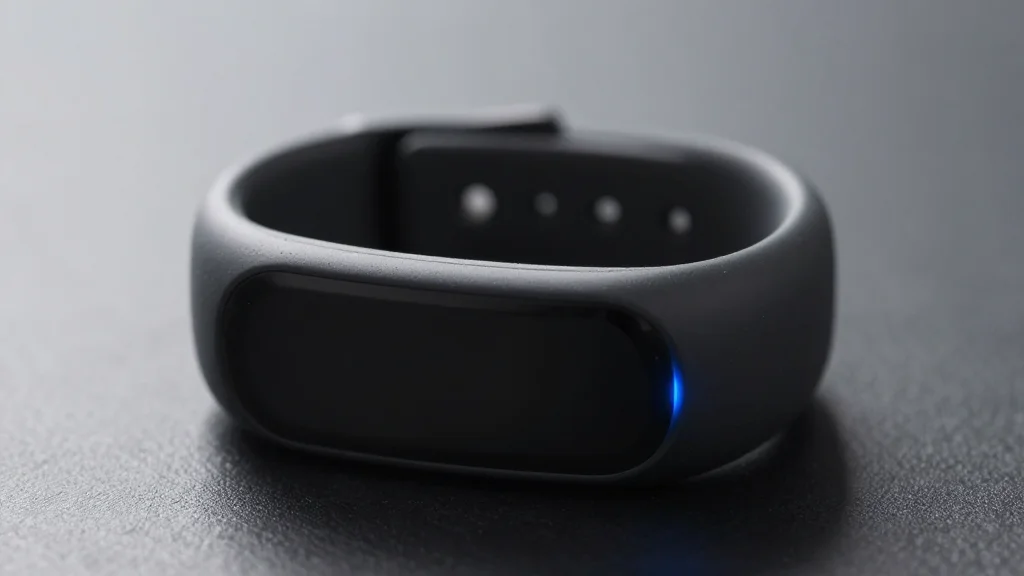
Google’s Fitbit Air Screens Out the Watch, Aims at $99 Entry‑level Market

Companies Mentioned
Why It Matters
The Fitbit Air could reshape the entry‑level segment of the wearable market by proving that a functional health tracker does not need a screen or a high price tag. If consumers embrace the device, manufacturers may accelerate the development of ultra‑light, screen‑free products, further fragmenting the market between smartwatch‑centric ecosystems and minimalist health bands. Google’s rebranding of Fitbit Premium to Google Health also consolidates its health data under a single, AI‑focused umbrella. This could enhance cross‑platform data sharing, improve the accuracy of predictive health models, and give Google a stronger foothold against Apple’s HealthKit and Samsung’s Health platforms. The move may also influence regulatory scrutiny, as more health data flows through a single corporate entity. Overall, the Air’s launch will be a litmus test for consumer appetite for low‑cost, low‑distraction wearables and for Google’s ability to monetize health insights without relying on hardware margins alone.
Key Takeaways
- •Google teases the Fitbit Air, a screen‑less fitness band priced around $99.
- •Launch is slated for mid‑May 2026, with battery life projected to exceed two weeks.
- •The device will rely on the new Google Health app for data display and AI coaching.
- •Core features are expected to be subscription‑free, contrasting with Whoop’s paid model.
- •Google is rebranding Fitbit Premium as Google Health, unifying its consumer health services.
Pulse Analysis
Google’s decision to strip the display from its next Fitbit offering reflects a calculated gamble on user behavior. The proliferation of notification fatigue has created a niche where consumers value uninterrupted activity tracking over real‑time visual feedback. By delivering insights through a mobile app, Google can keep the hardware inexpensive while leveraging its AI capabilities to differentiate the experience. This mirrors the strategy of Whoop, which has built a loyal base around deep analytics and a subscription model. However, Google’s willingness to provide core analytics without a fee could broaden the appeal to a mass market that has been reluctant to commit to recurring costs.
From a competitive standpoint, the Air pits Google directly against both high‑end smartwatches and emerging screen‑less contenders. Apple’s ecosystem remains dominant due to seamless integration with iOS, but its devices carry premium price tags. Samsung’s Galaxy Watch line offers similar functionality at a mid‑range price, yet still includes a display. The Air’s ultra‑low price and minimalist design could carve out a new sub‑segment, forcing rivals to either lower prices or introduce comparable screen‑less models. Garmin’s rumored Cirqa tracker suggests that the market is already moving in this direction.
Strategically, the rebranding of Fitbit Premium to Google Health signals an ambition to centralize health data under Google’s AI umbrella. This could unlock cross‑product synergies, such as integrating wearable data with Google Search, Maps, and Assistant, creating a more holistic user profile. However, it also raises privacy concerns that regulators and consumer advocates will monitor closely. If Google can balance data utility with transparent privacy practices, the Fitbit Air could become a cornerstone of its consumer health strategy, driving both hardware sales and subscription revenue from premium AI coaching services.
Google’s Fitbit Air screens out the watch, aims at $99 entry‑level market
Comments
Want to join the conversation?
Loading comments...