Google's Tensor G6 Rumors Nearly Had Me Hyped, but It Might Let Me Down
Why It Matters
Pixel 11’s competitiveness depends on whether the Tensor G6 can match Qualcomm’s performance while delivering a modern gaming experience, a key factor for consumer adoption.
Key Takeaways
- •Tensor G6 rumored 1+4+2 core layout with 4.11 GHz ultra core.
- •GPU spec may be five‑year‑old PowerVR C‑Series, limiting gaming gains.
- •2 nm process could boost efficiency versus Tensor G5.
- •CPU clock speeds suggest modest performance uplift over Pixel 10.
- •Pixel 11’s market competitiveness hinges on chip’s GPU upgrade.
Pulse Analysis
The Tensor line has become Google’s flagship differentiator, allowing the Pixel ecosystem to integrate AI‑driven features directly into silicon. The rumored 1+4+2 core arrangement marks a departure from the previous 1+5+2 layout, swapping the Cortex‑X4‑based prime for a bespoke C1‑Ultra core that allegedly reaches 4.11 GHz. Coupled with four high‑performance C1‑Pro cores and two efficiency‑focused C1‑Pro units, the design promises higher single‑thread throughput and better power scaling, especially if the chip indeed migrates to a 2 nm node.
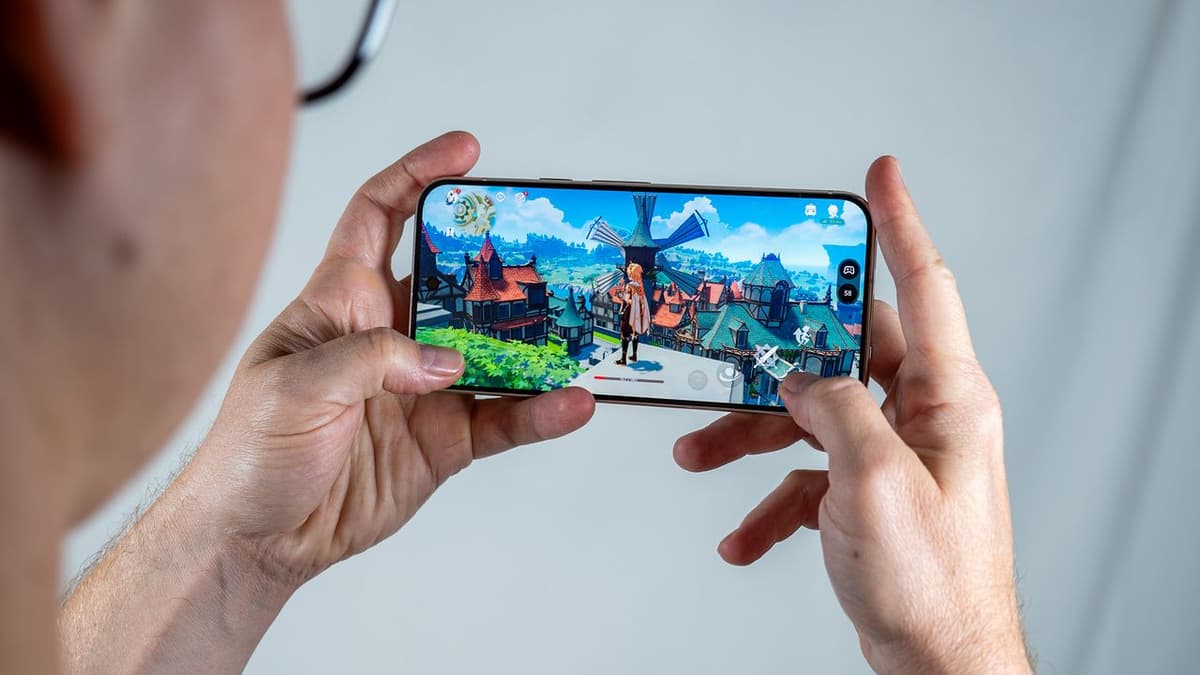
However, the excitement is tempered by reports that the Tensor G6 will retain the PowerVR C‑Series CXTP‑48‑1536 GPU, a graphics engine introduced five years ago. In a market where mobile gaming drives a substantial share of smartphone usage, an outdated GPU could limit frame rates and visual fidelity, leaving the Pixel 11 at a disadvantage against rivals that have adopted newer Mali or Adreno GPUs. The discrepancy highlights Google’s historical focus on AI workloads over raw graphics performance, a trade‑off that may alienate power‑gaming consumers.
From a strategic perspective, the Tensor G6’s mixed signals could shape Google’s position in the premium handset arena. A CPU uplift and a 2 nm process would bring efficiency gains and narrow the performance gap with Qualcomm’s Snapdragon 8 Gen 3, potentially improving battery life and AI latency. Yet, without a competitive GPU, the Pixel 11 may struggle to attract gamers and content creators who prioritize visual performance. Observers will watch upcoming benchmark leaks and Google’s official announcements to gauge whether the company will prioritize a GPU refresh in future silicon iterations.
Google's Tensor G6 rumors nearly had me hyped, but it might let me down
Comments
Want to join the conversation?
Loading comments...