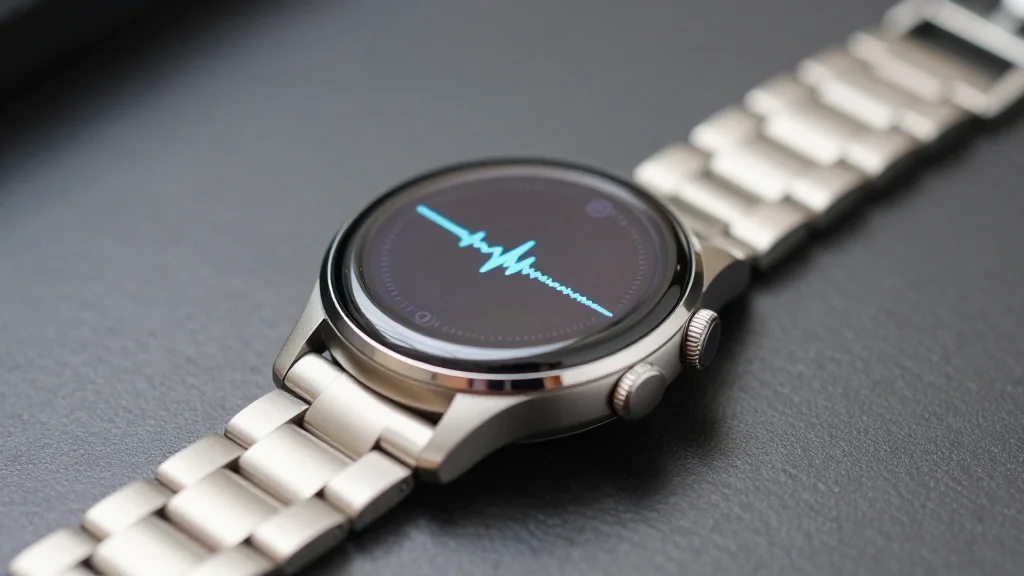
Google’s Wear OS 7 Skipped at I/O 2024, Sparking Wearable Future Debate

Companies Mentioned
Why It Matters
The marginal treatment of Wear OS 7 at Google’s flagship developer event signals a strategic pivot that could reshape the wearable landscape. By emphasizing AI health services and subscription models, Google is aligning its hardware portfolio with a data‑centric revenue stream, potentially diminishing the standalone appeal of smartwatches. This shift may force OEMs and app developers to prioritize AI integration over traditional watch features, altering product roadmaps across the industry. Moreover, the privacy implications of feeding biometric and medical data into Gemini’s AI engine could trigger regulatory scrutiny and consumer backlash. How Google addresses these concerns will set precedents for the handling of health data in AI‑driven ecosystems, influencing trust and adoption rates for future wearable technologies.
Key Takeaways
- •Wear OS 7 received only a brief mention at Google I/O 2024, while AI health tools dominated the agenda.
- •The update promises a 10% battery life boost over Wear OS 6 and new widget‑style UI tweaks.
- •Google introduced the $100 screenless Fitbit Air and a $10‑per‑month AI health coach subscription.
- •Expanded Gemini Intelligence includes an AppFunctions API for developers to tie apps into AI task automation.
- •Privacy concerns arise as Google has not detailed how biometric and medical data will be processed.
Pulse Analysis
Google’s decision to sideline Wear OS 7 at I/O reflects a broader industry recalibration where AI, not hardware, is the headline act. Historically, smartwatch platforms have leveraged unique form‑factor innovations to differentiate themselves—think Apple’s haptic feedback or Samsung’s rotating bezel. Google’s current approach, however, treats the watch as a sensor hub that enriches Gemini’s AI models, echoing the way smartphones have become platforms for AI services rather than standalone products.
This strategy carries both upside and risk. On the upside, embedding Gemini across wearables could unlock richer contextual AI, delivering more personalized health insights and potentially justifying premium subscriptions. On the downside, it may dilute the distinctiveness of Wear OS, making it vulnerable to competition from platforms that retain a stronger hardware focus. Apple’s simultaneous push to embed Google’s Gemini into Siri while expanding its own Apple Intelligence suggests a converging ecosystem where the line between competing AI services blurs.
Regulatory pressure on health data usage adds another layer of uncertainty. If Google can convincingly demonstrate robust privacy safeguards, it could set a new standard for AI‑driven health coaching. Failure to do so, however, could erode consumer trust and stall adoption, leaving Wear OS 7 as a footnote rather than a catalyst for the next wave of wearable innovation.
Google’s Wear OS 7 Skipped at I/O 2024, Sparking Wearable Future Debate
Comments
Want to join the conversation?
Loading comments...