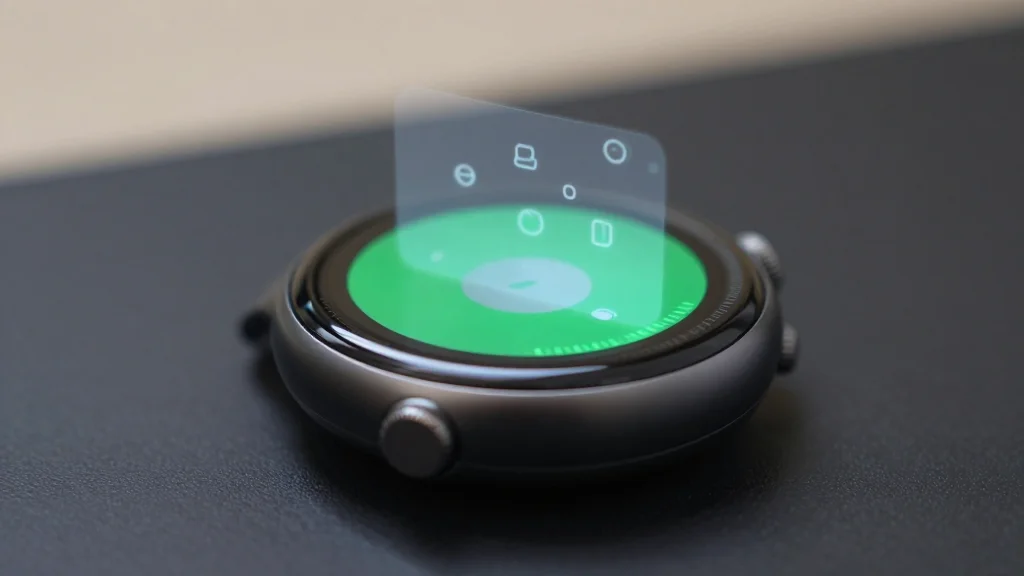
Google's Wear OS 7 Update Cuts Smartwatch Widget Power Drain

Companies Mentioned
Why It Matters
Improving widget power efficiency tackles one of the most cited complaints among Wear OS users, potentially reducing churn and boosting the platform’s appeal to both consumers and OEMs. Longer battery life can translate into higher daily active usage, giving Google more data points for its services and advertising ecosystem. For third‑party developers, the Remote Compose model offers a lower‑cost path to richer UI experiences without sacrificing device endurance, encouraging further investment in the Wear OS app marketplace. The update also signals Google’s broader strategy to unify its UI across devices—from smartwatches to Android Auto—by standardizing widget behavior. A smoother, longer‑lasting smartwatch experience may accelerate the convergence of wearables with other connected products, reinforcing Google’s vision of a seamless Android ecosystem.
Key Takeaways
- •Google introduced Wear OS 7 with Wear Widgets and Remote Compose at I/O 2026.
- •Remote Compose handles widget animations without waking the full app, reducing power draw.
- •The update is backward compatible with Wear OS 4 and earlier devices.
- •Samsung Galaxy Watch users will receive the new widgets via Multi‑Info Tiles.
- •Third‑party partners such as Spotify, WhatsApp, Peloton, and Todoist will ship updated widgets.
Pulse Analysis
Google’s decision to re‑engineer widget handling reflects a maturing approach to software‑first differentiation in the crowded smartwatch market. Historically, Android wearables have lagged behind Apple’s tightly integrated hardware‑software stack, with battery life often cited as the Achilles' heel. By isolating widget processing in a lightweight Remote Compose layer, Google sidesteps the need for hardware refreshes while delivering a perceptible user benefit. This mirrors the broader industry trend of offloading work to specialized frameworks—think of Apple’s WidgetKit—allowing platforms to iterate faster without waiting for new silicon.
From a competitive standpoint, the move could pressure OEMs that have been reluctant to adopt Wear OS due to battery concerns. Samsung’s early adoption hints at a possible shift, as the Korean giant may now prioritize Wear OS updates alongside its own Tizen‑derived features. If the battery gains are as significant as early developer reports suggest, we could see a modest uptick in Wear OS market share, especially in price‑sensitive segments where Android watches compete on cost rather than premium branding.
Looking ahead, the real test will be user adoption and measurable improvements in daily charge cycles. Google’s lack of concrete percentage figures leaves analysts guessing, but the company’s emphasis on OTA delivery means the update can reach a broad install base quickly. Should the enhancements prove durable, they may set a new baseline for future Wear OS releases, compelling competitors to match or exceed the power‑efficiency gains in their own ecosystems.
Google's Wear OS 7 Update Cuts Smartwatch Widget Power Drain
Comments
Want to join the conversation?
Loading comments...